Read the fine print, Tech Insiders.
Black Friday is peak asterisk season, and today's tech has a few of its own. Gemini can call the repair shop, and the transcript can tell you whether the shop confirmed a time. Firefox can pause even its "Always on" VPN rules, and Tidal's December ban still leaves room for AI-assisted music.
ICYMI, our Black Friday tech deals roundup has picks for removing personal info from data broker sites, automating invoices, and putting a robot vacuum on floor duty. It also flags expiration dates, eligibility rules, and renewal prices where available. Check the terms before the countdown timer starts yelling. |
Let's see what earned the asterisk. |
|
|
|
Here's what you need to know today: |
|
|
|
What Your Business Hears When Gemini Calls |
Your turn to put the robot on hold.
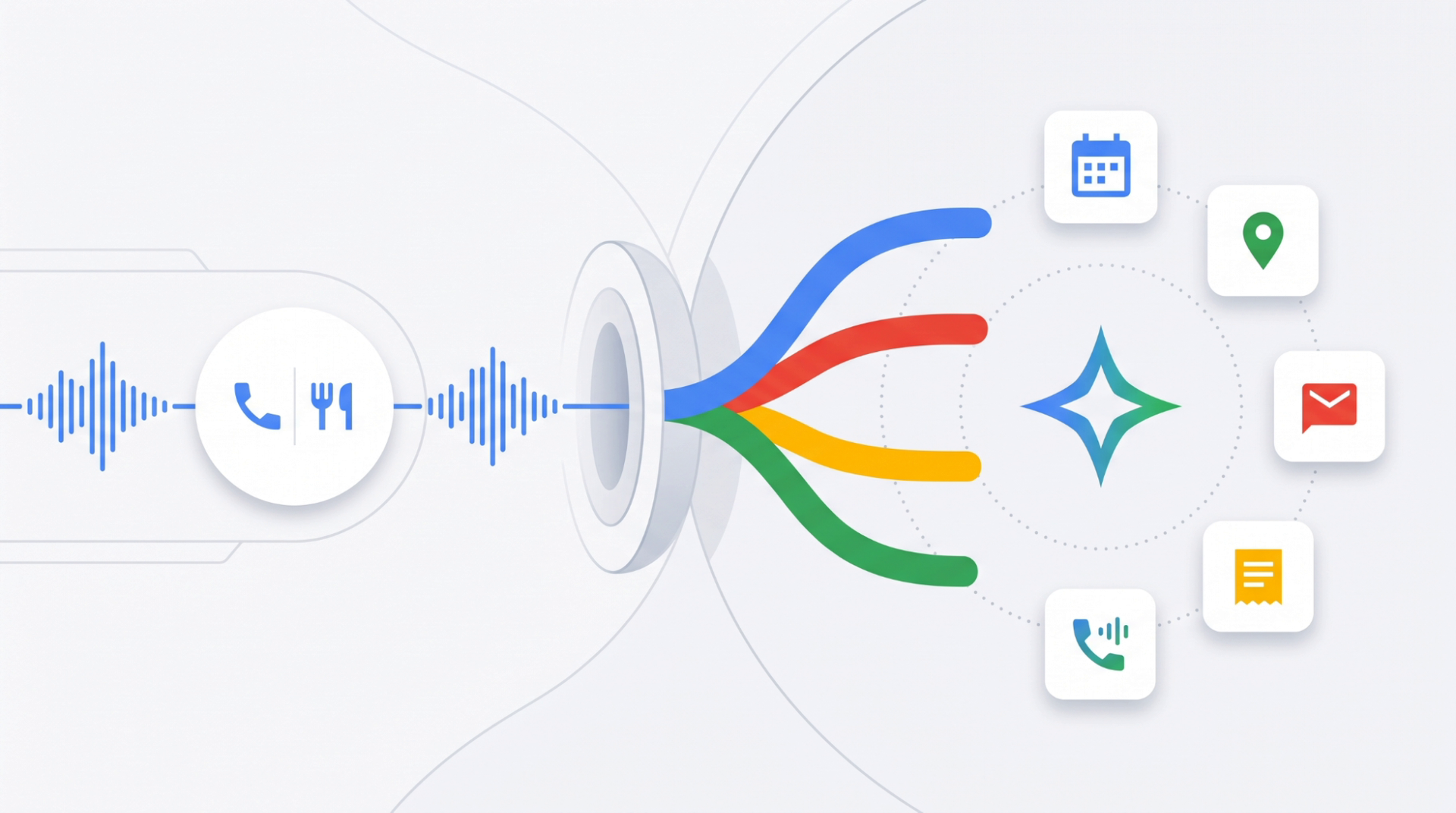
Google's Tasks in Gemini can now call local businesses to check stock, pry loose quotes, or book appointments, sparing you from human small talk. Before it dials a Google-verified business, eligible US users—part of Google's free six-country rollout—can vet the number and approve what details it shares.
At the front desk, it's just another ringing phone. Gemini outs itself as Google's AI assistant calling for a customer and notes the line is recorded. Staff can handle it normally, or—if they'd rather not haggle with software—opt out in their Google Business Profile or tell Gemini to stop calling mid-call. In Google's own example, Gemini called two dealerships at once for minivan service. One only took walk-ins, so Gemini booked the other and added the slot to the customer's calendar. The polite bot on line one might have your competitor on line two. |
Gemini can accept an alternate time that fits your rules, but deposits are a dealbreaker. It can't pay over the phone, and Google says it hangs up and updates you if a shop goes off-script. Afterward, you get an outcome summary and transcript in Gemini. Why it matters: Gemini can finally rescue you from hold music, though you should still check the transcript to verify the shop confirmed a date and time. If you're answering the phone, saying "You're booked for Tuesday at 3 p.m." out loud beats untangling an AI mix-up later. |
|
|
|
What would you let an AI assistant do when calling a local business for you? |
|
|
|
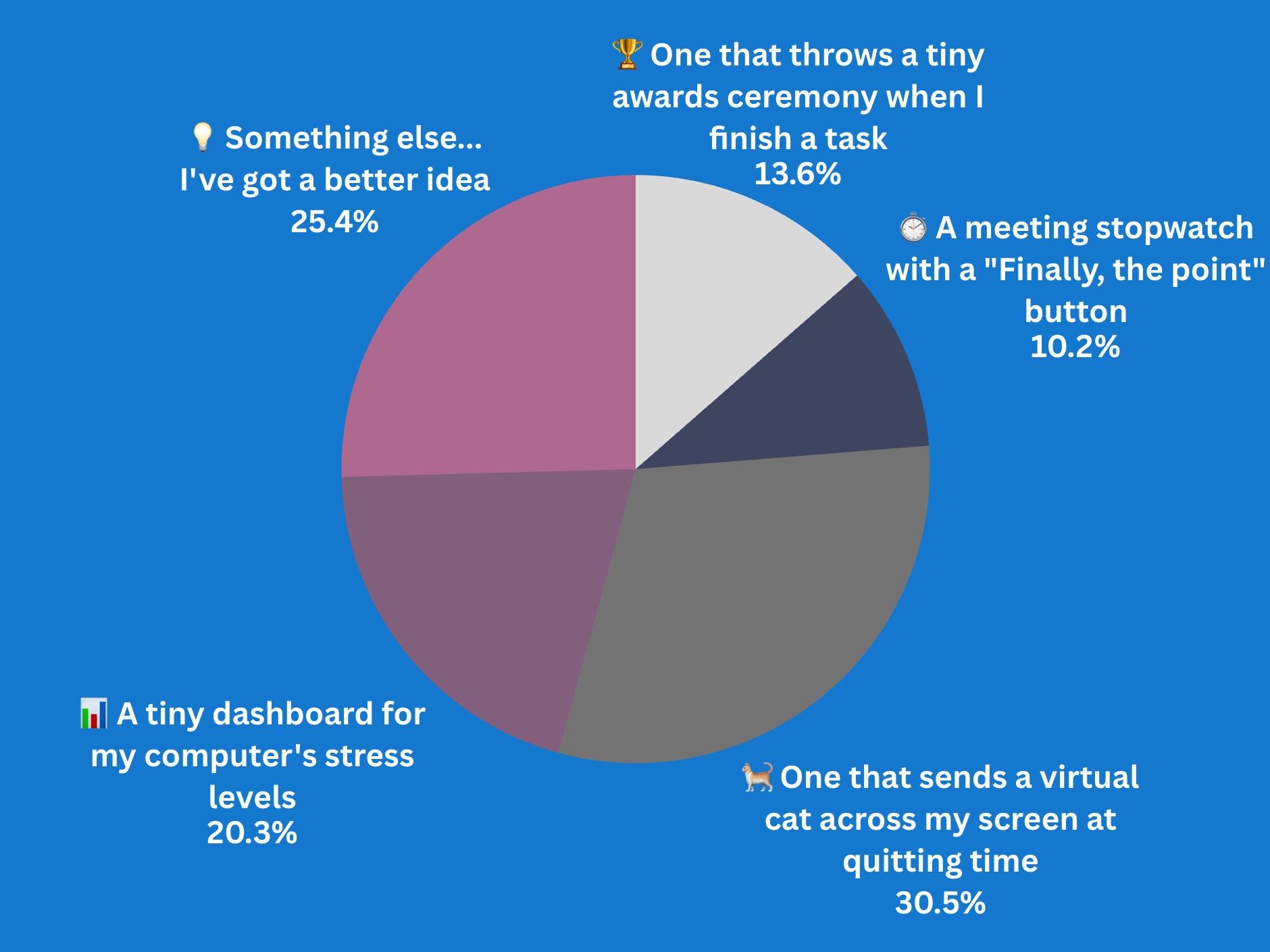
Results from Yesterday's Pulse Check |
Which delightfully unnecessary desktop app would you ask AI to build? |
|
|
|
Firefox Lets You Pick Which Sites Use Its VPN |
The VPN toggle has been putting in unpaid overtime.
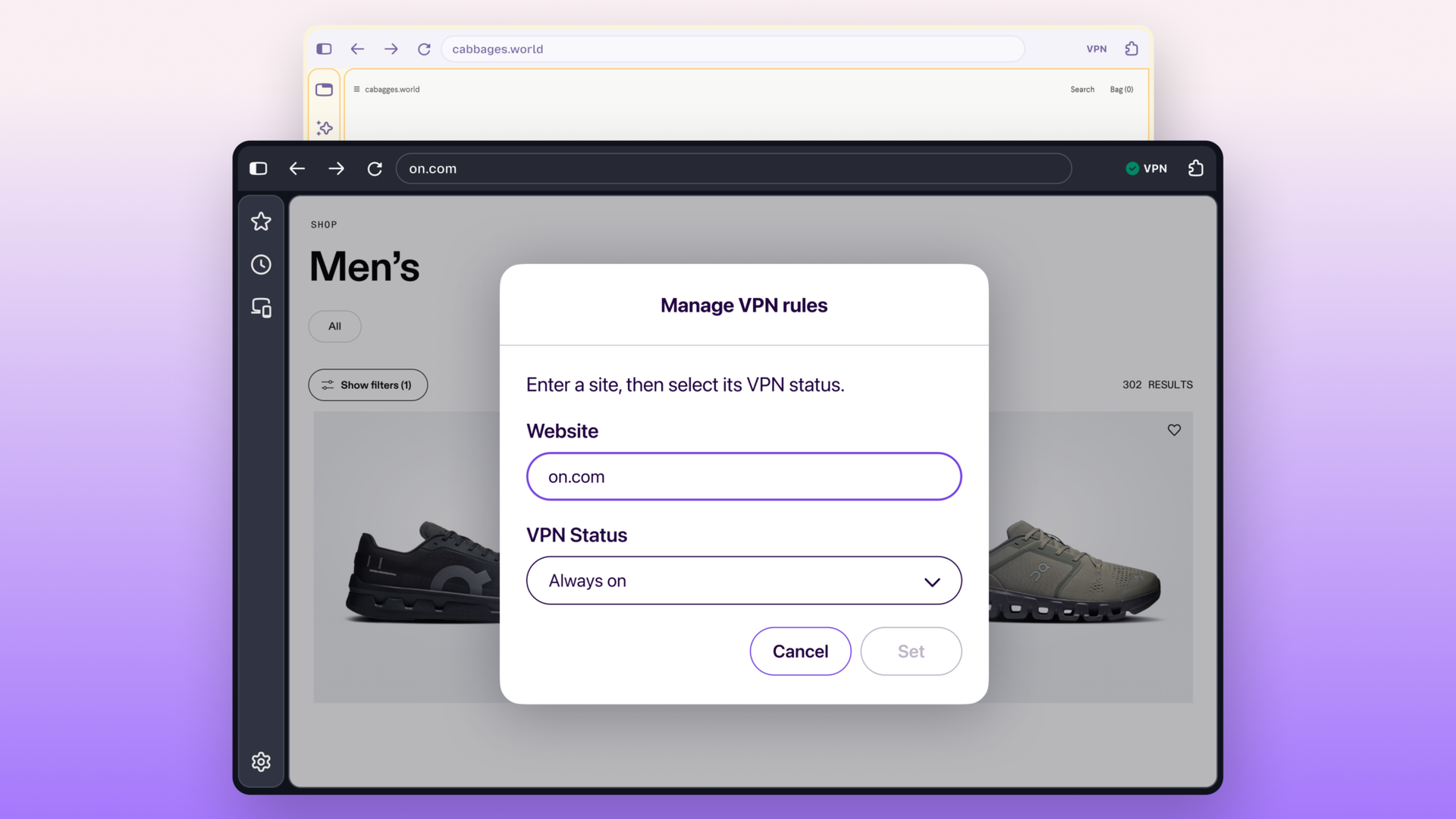
Firefox 161 lets desktop users pick which sites use its free built-in VPN, sparing your mouse from constant toggling. Open the VPN panel, hit Manage VPN rules, and add a site. Always on routes traffic through the VPN even when the main switch is off; Always off bypasses it, which is ideal for banks that treat a masked IP like an international heist. Existing exclusions carry over as Always off. One clumsy quirk: if the VPN chokes on a site with a rule and you click Continue without VPN, Firefox pauses every site rule—even Always on—until you flip the VPN back on or restart. |
This freebie only covers Firefox traffic and requires a Mozilla account in a supported region. At least Mozilla ditched the usual 50 GB monthly cap through Jan. 31, 2027.
Mozilla is also rolling out the Fire button to regular desktop windows for quick evidence disposal. Clear just the basics, like browsing history, or torch everything it covers for a fresh window and a reunion tour with your login screens.
Firefox 161 also patches high-impact flaws, including sandbox escapes, so update and relaunch. Managing Extended Support Release at work? The patched versions are ESR 153.8 and 115.46. Of all the buttons in this update, Restart is still the VIP. |
|
|
|
Todoist Breach Exposes Old Password Hashes |
An attacker used stolen credentials to slip into Todoist's systems and swipe account records for roughly 6% of users, grabbing email addresses, signup dates, and ancient SHA-1 password hashes that had been gathering dust for over a decade. Much smaller slices of users also had integration tokens, task data, or snippets from connected Outlook inboxes exposed.
Todoist kicked the intruder out, finally pulled the plug on SHA-1, disabled affected passwords and the old Outlook add-in, and emailed everyone impacted. (No email? You're in the clear.)
If you did get a notice, follow Todoist's checklist: reset your password if it was disabled, swap it out anywhere else you recycled it, and nuke and replace any keys or credentials you stashed inside your tasks. A to-do list makes a lousy password vault. |
Shirudo Aims to Buy Linux Teams Time to Patch |
Cisco and OpenAI launched Shirudo, an open-source Linux tool built for the awkward purgatory between "critical flaw disclosed" and "patch actually tested." Once installed, it lets admins slap temporary safeguards called "shields" onto live hosts without a reboot.
AI agents do the grunt work of writing and testing shields, while humans still hold the launch keys. You can even preview how a shield treats normal traffic before flipping it on. In a controlled test, OpenAI says a Codex-built shield stopped a Java4Shell exploit cold without knocking Elasticsearch offline.
Don't toss your runbooks just yet: Shirudo is pre-release, demands a custom-patched Linux kernel plus TPM 2.0, and won't play nice with Cilium networking or Tetragon—the very security tool it grew out of. Kick the tires in a test VM, make sure your stack survives, and keep the real patch on deck.
Your maintenance window still expects you to show up. |
|
|
|
Tidal Gives AI-Generated Songs the Boot |
Tidal is evicting fully AI-generated songs starting Dec. 9 and slamming the door on new submissions. Tracks merely assisted by AI can stay, so humans still have to do at least some of the work. Tidal music lead Robert Andersen expects the purge to wipe out roughly 29 million tracks by early 2027.
Cutting off royalties earlier this year clearly didn't deter the robot-pop factories. Over the past 90 days, 43% of tracks delivered to Tidal were flagged as 100% AI, yet 96% of its AI-tagged catalog racked up a grand total of zero streams. Tidal says all that digital noise buries real musicians, while impersonators siphon off streams and royalties. The service has already yanked over 65,000 tracks for suspected artist impersonation.
|
Image created with ChatGPT |
Elsewhere, the industry is still picking its poison. Bandcamp's ban goes even further, outlawing music made substantially with AI. Deezer plans to let listeners hide AI tracks in search. Apple Music expects labels and distributors to fess up about material AI use, while YouTube Music rolled out labels explaining AI's role on a track.
Spotify, meanwhile, is playing both sides: it badges AI personas and says it scrubbed 50 million slop tracks from recommendations, while signing licensing deals for a planned feature letting fans whip up AI covers and remixes—so participating artists at least get a cut.
Please credit Legal on the remix. |
|
|
|
|
Writer/Editor at TechnologyAdvice |
Justin Meyers is an investigative writer and editor who draws on over a decade of meticulous hands-on research to deliver the full, trustworthy story behind consumer and enterprise tech, including cybersecurity. |
|
|
|
Curious about where AI is really headed? |
The Neuron cuts through the noise to bring you smart, hype-free takes on the latest AI trends, tools, and breakthroughs. Join 700,000+ professionals from top companies like Microsoft, Apple, Salesforce, and more.
|
|
|
|
Advertise in Daily Tech Insider! Daily Tech Insider is a TechnologyAdvice business. © 2026 TechnologyAdvice, LLC. All rights reserved.
TechnologyAdvice, 3343 Perimeter Hill Dr., Suite 215, Nashville, TN 37211, USA. |
|
|
|
|