Billions on the table. Millions of records exposed. |
I’m keeping an eye on a major cybersecurity acquisition, breaches affecting financial giants, and a cloud exposure with an unexpected twist. - Ken
Have cybersecurity expertise to share? Join eSecurityPlanet’s Contributor Program. Missed a newsletter? Read past issues here. |
|
|
|
Here’s what you need to know: |
|
|
|
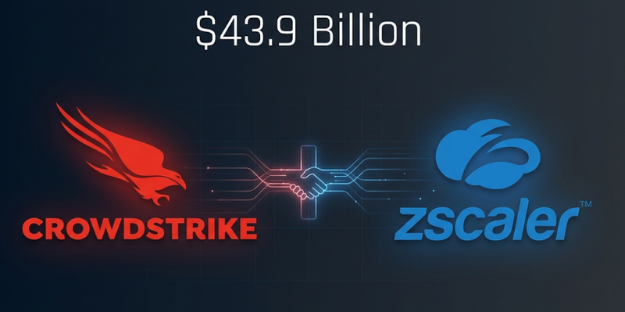
CrowdStrike Moves to Acquire Zscaler |
CrowdStrike plans to acquire Zscaler for $43.9 billion in stock, adding zero trust access, AI security, and data protection to Falcon. The acquisition could streamline security operations but raises questions about vendor dependency, interoperability, and future licensing costs. |
My Take: I see the value in consolidating security platforms to simplify operations. However, relying on a single provider for critical security functions can amplify the impact of service disruptions. Test failover procedures, verify third-party integrations, and confirm standalone licensing and data portability before consolidating security platforms. |
Chase, Visa, and Mastercard Confirm Vendor Breaches |
Chase, Visa, and Mastercard disclosed incidents involving vendors managing customer marketing and cardholder benefits programs.
Exposed contact information and potentially compromised booking details could fuel targeted phishing and impersonation attacks. My Take: These incidents are a good reminder to reassess how we classify third-party risks, especially when vendors hold combinations of customer data that could enable fraud.
Audit vendor-held customer data, reassess risk classifications based on potential fraud scenarios, and enforce strict data retention limits. |
10.2M Login Records Exposed in Tower Records Japan Hack |
Tower Records Japan suspended online operations following a cyberattack that exposed more than 10.2 million login records. The compromised data included email addresses, member IDs, and password hashes belonging to current and former customers. My Take: This exposure of former customers' records is a reminder to include closed accounts in incident response planning. Audit inactive and closed accounts, remove obsolete credentials, and automate data deletion in accordance with regulatory requirements. |
|
|
|
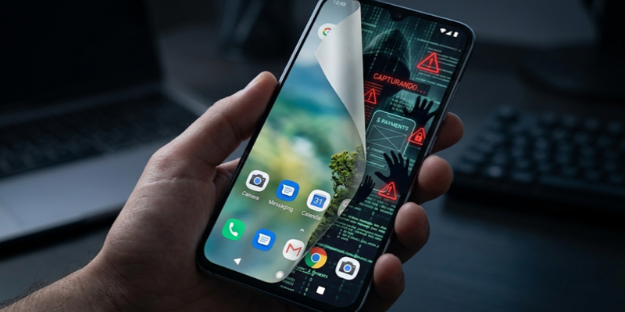
Bazuka Malware Hijacks Android Devices |
ThreatFabric discovered Bazuka, an Android malware framework that steals credentials, intercepts authentication codes, and remotely controls infected devices. The malware can conceal unauthorized activity behind a familiar home screen, making financial and corporate account compromises harder to detect. |
My Take: I think mobile IR playbooks should explicitly separate account recovery from device remediation. Asking users to reset passwords or verify account activity on a potentially compromised device could expose their new credentials. Enforce device health checks through conditional access policies and require account recovery from a separate, trusted device. |
Public S3 Bucket Exposes Sensitive Police Records |
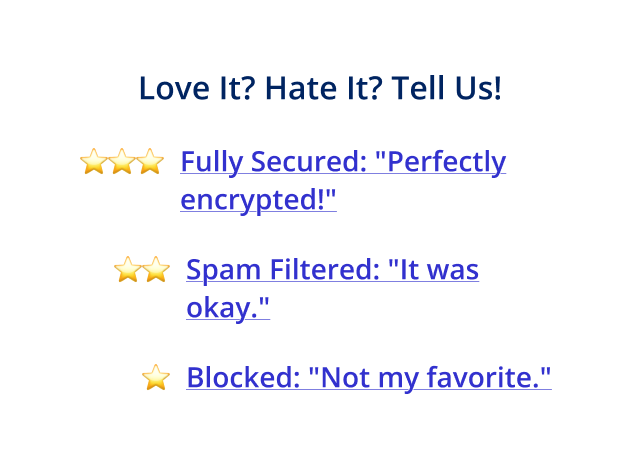
Transcription provider Tigerfish exposed sensitive customer data, including police interview transcripts and body-camera footage, through a public Amazon S3 bucket. Remediation was delayed after a security researcher's warning was caught by the company's spam filter. My Take: I'd prioritize testing vendor vulnerability disclosure channels over simply verifying that a documented reporting process exists. Coordinate test vulnerability reports with vendors, measure acknowledgment times, and verify escalation procedures for unanswered vulnerability submissions. |
|
|
|
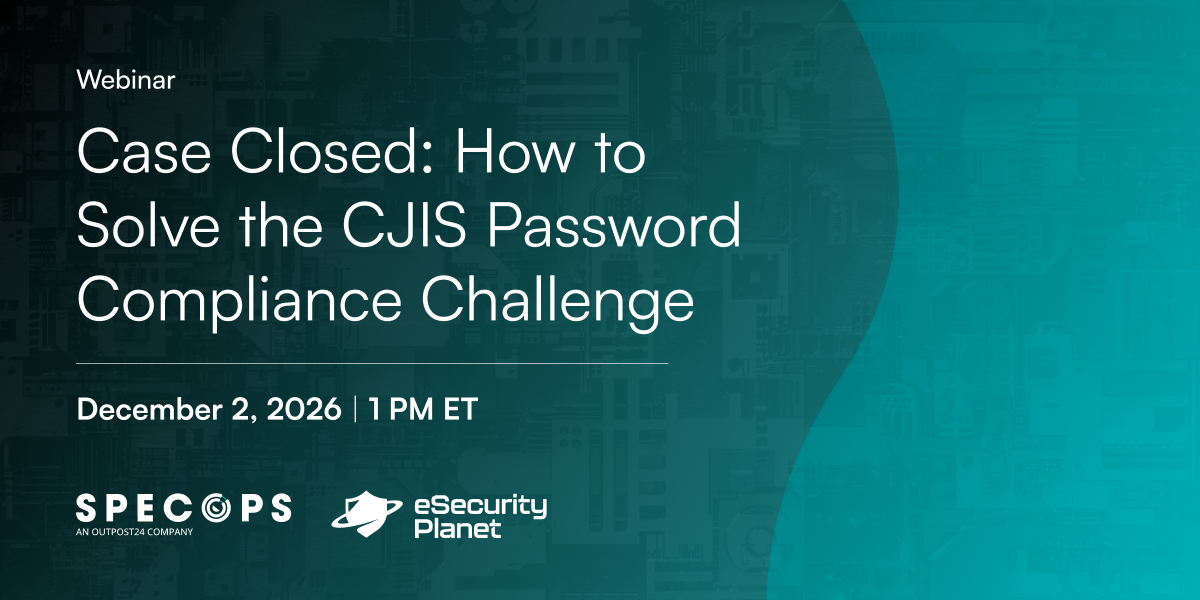
If a password policy review is on your agenda, start with clearer questions about CJIS requirements and authentication.
Join eSecurity Planet, in partnership with Specops, for “Case Closed: How to Solve the CJIS Password Compliance Challenge” on December 2, 2026 at 1:00 PM ET. Examine password policy enforcement and the role of MFA before deciding what needs closer attention. |
|
|
|
How Strong Are Your Cloud Defenses? |
Cloud data leakage remains a risk due to misconfigurations, excessive permissions, and exposed credentials. |
How to strengthen your cloud security posture: |
- Enforce least privilege, implement phishing-resistant MFA, and replace long-lived credentials with temporary ones.
-
Use CNAPP solutions to detect misconfigurations, excessive permissions, exposed resources, and workload threats.
- Centralize cloud activity logs, maintain immutable backups, and regularly test workload restoration procedures.
|
Track cloud remediation times, excessive permissions, public exposures, logging coverage, and recovery success rates. |
|
|
|
Security Tools You Can Use |
-
Build hands-on AI security skills for less — save 30% on TryHackMe with code TECHADVICE30.
- Explore the top cybersecurity companies protecting businesses for 2027.
- Trying to land your first GRC job? The Neuron Academy shows you how to build a simple AI risk register project to show hiring managers.
|
|
|
|
How many security controls would you trust to one vendor? |
|
|
|
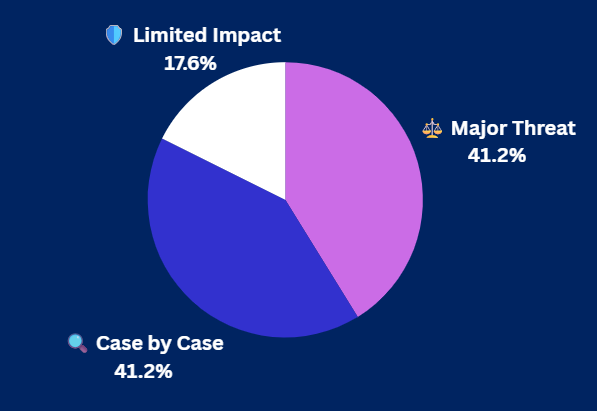
Yesterday's Pulse Check Results |
Could a law enforcement database breach undermine criminal cases? |
|
|
|
|
Ken Underhill is an award-winning cybersecurity professional, bestselling author, and seasoned IT professional. He holds a graduate degree in cybersecurity and information assurance from Western Governors University, bringing years of hands-on experience to the field. |
|
|
|
Cybersecurity Insider is a TechnologyAdvice business |
© 2026 TechnologyAdvice, LLC. All rights reserved. |
TechnologyAdvice, 3343 Perimeter Hill Dr., Suite 215, Nashville, TN 37211, USA. |
|
|
|
|