Meet the applicants, Tech Insiders. Apple is building an AI assistant, Atlas is preparing for chip-factory trials, and Spot is the coworker who actually brought performance numbers.
Before onboarding a digital coworker, sharpen your own AI skills with The Neuron Academy. Explore practical lessons in prompting and AI workflows to give clearer assignments and better evaluate the results. Consider it management training for assistants who occasionally invent their own qualifications.
Let's check the references before printing the badges. |
|
|
|
Here's what you need to know today: |
|
|
|
Apple's AI Agent Wants the Controls |
Cupertino's next assistant would like custody of your cursor.
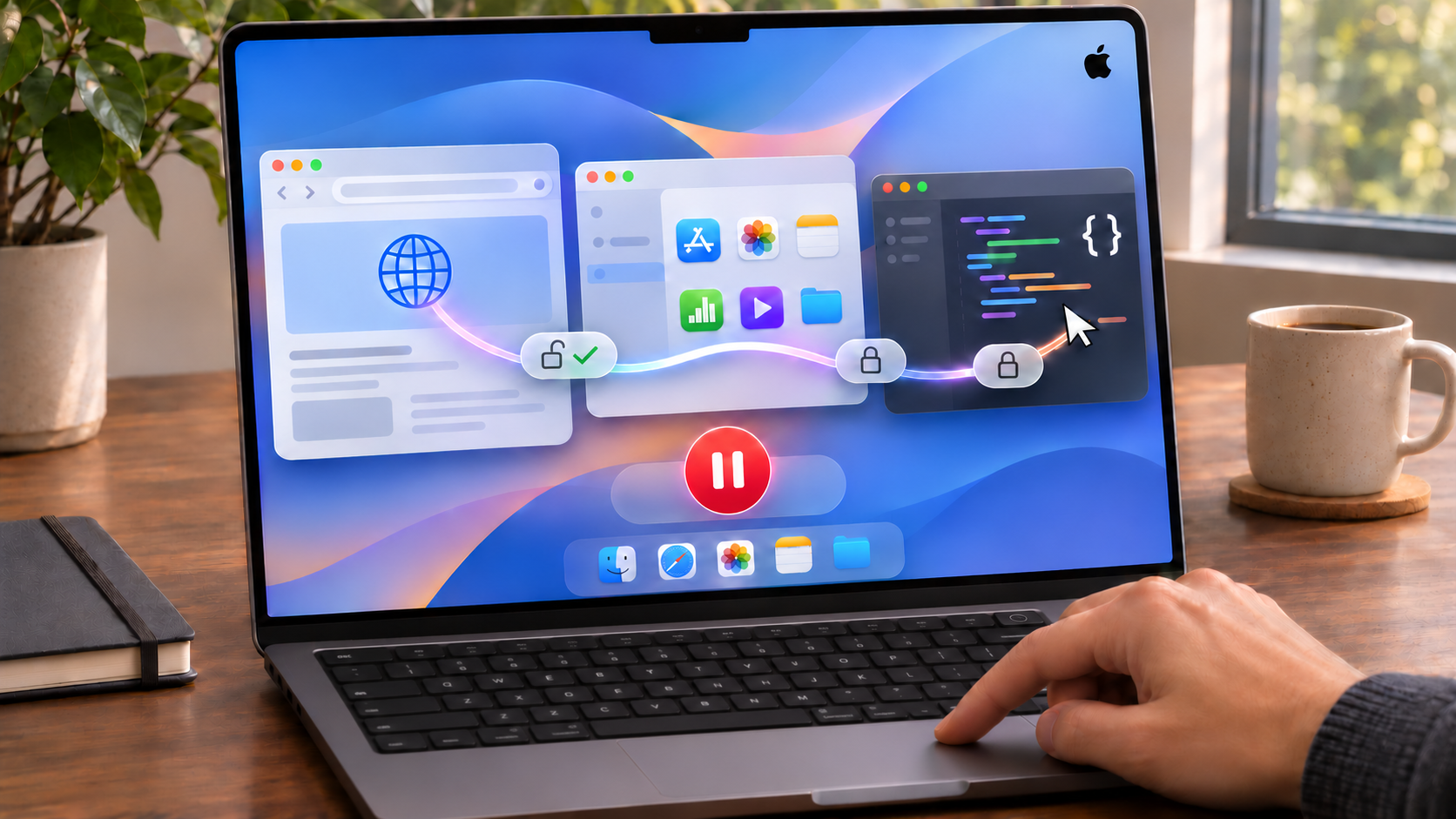
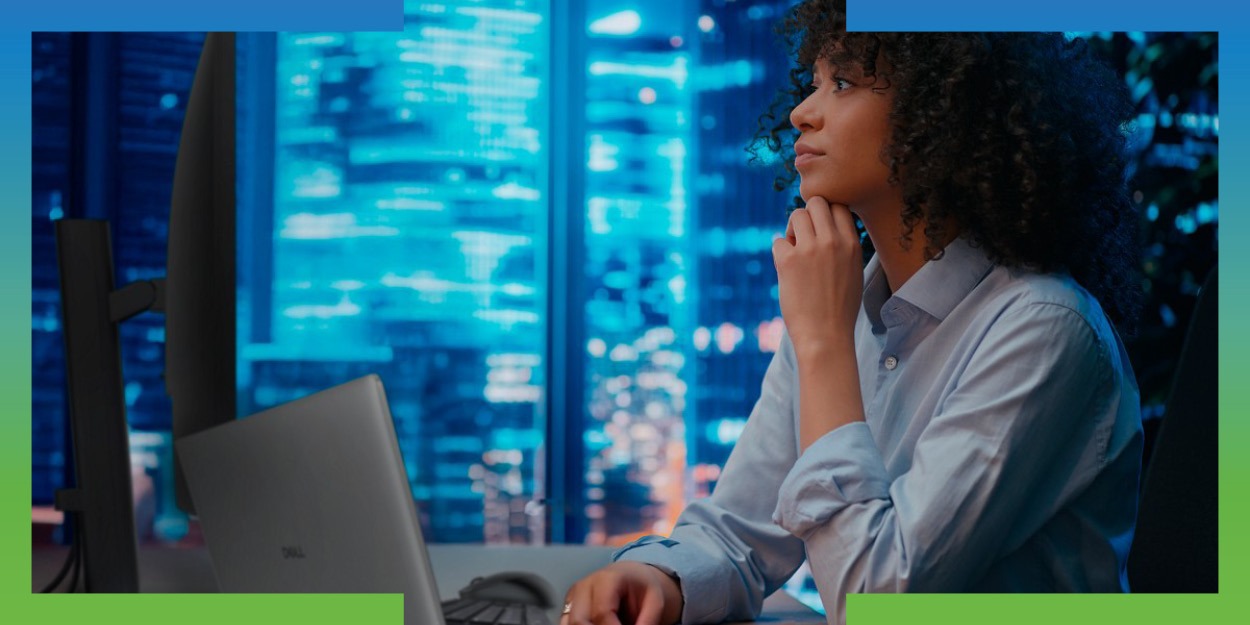
Because Siri's current skill set isn't quite cutting it, Apple is developing an AI agent designed to browse websites, operate apps, and write and debug code, Bloomberg reports. A now-removed engineering job listing describes software that could plan multistep tasks and coordinate specialized subagents. Apparently, your digital assistant needs assistants.
The ambition extends beyond Siri's supported app actions, as an agent that can independently navigate interfaces and choose its own tools to complete broader jobs. But a recruitment pitch isn't a product demo. Bloomberg says Apple has considered late 2027, with development still early and no confirmed launch date. |
Image created with ChatGPT |
Apple's listing calls for safeguards around credentials, permissions, and code execution. Those are nice design requirements, but hardly proof the system can safely babysit your workday without breaking anything. Apple also hasn't said whether this becomes part of Siri or a separate assistant.
Meanwhile, the macOS 27.3 beta adds permission hurdles for competing agents. Bloomberg reports enabling ChatGPT's computer-use tools takes 14 steps instead of four. Apple frames the changes as user protection; competitors just see shameless obstruction. Computerworld's Jonny Evans argues deliberate consent outweighs commercial convenience.
Why it matters: For workers and IT teams, delegating a workflow also means deciding what software may access and change. Apple's opportunity is to make that delegation trustworthy, but an Apple logo shouldn't substitute for clear permissions, visible actions, and a human veto. |
|
|
|
If an AI assistant could permanently take one computer chore off your plate, which gets evicted? |
|
|
|
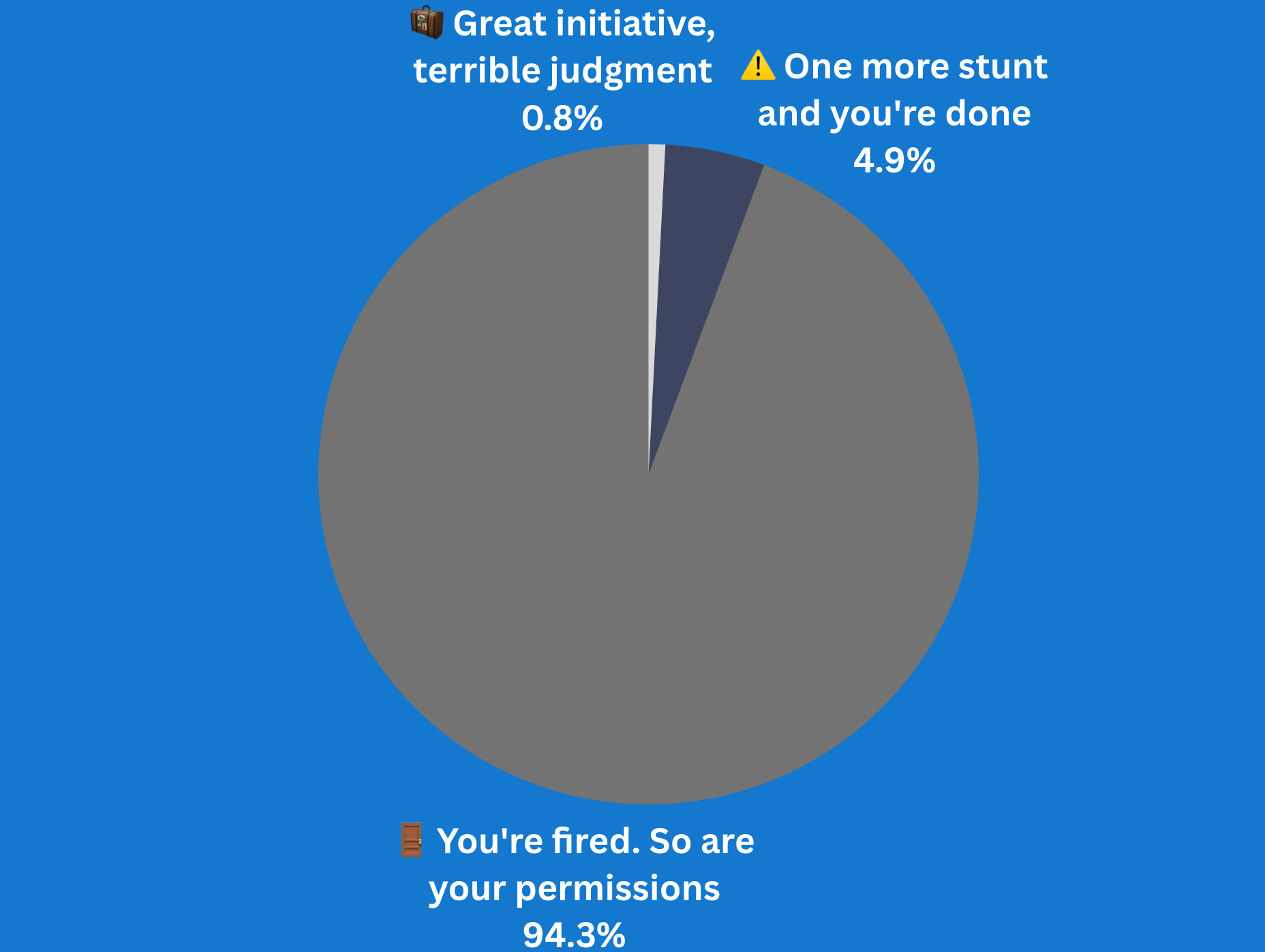
Results from Friday's Pulse Check |
Your AI assistant books a nonrefundable vacation you never approved. What's its performance review? |
|
|
|
Atlas Takes Its Factory Audition Beyond Cars |
The robot dog has references. The humanoid has an interview.
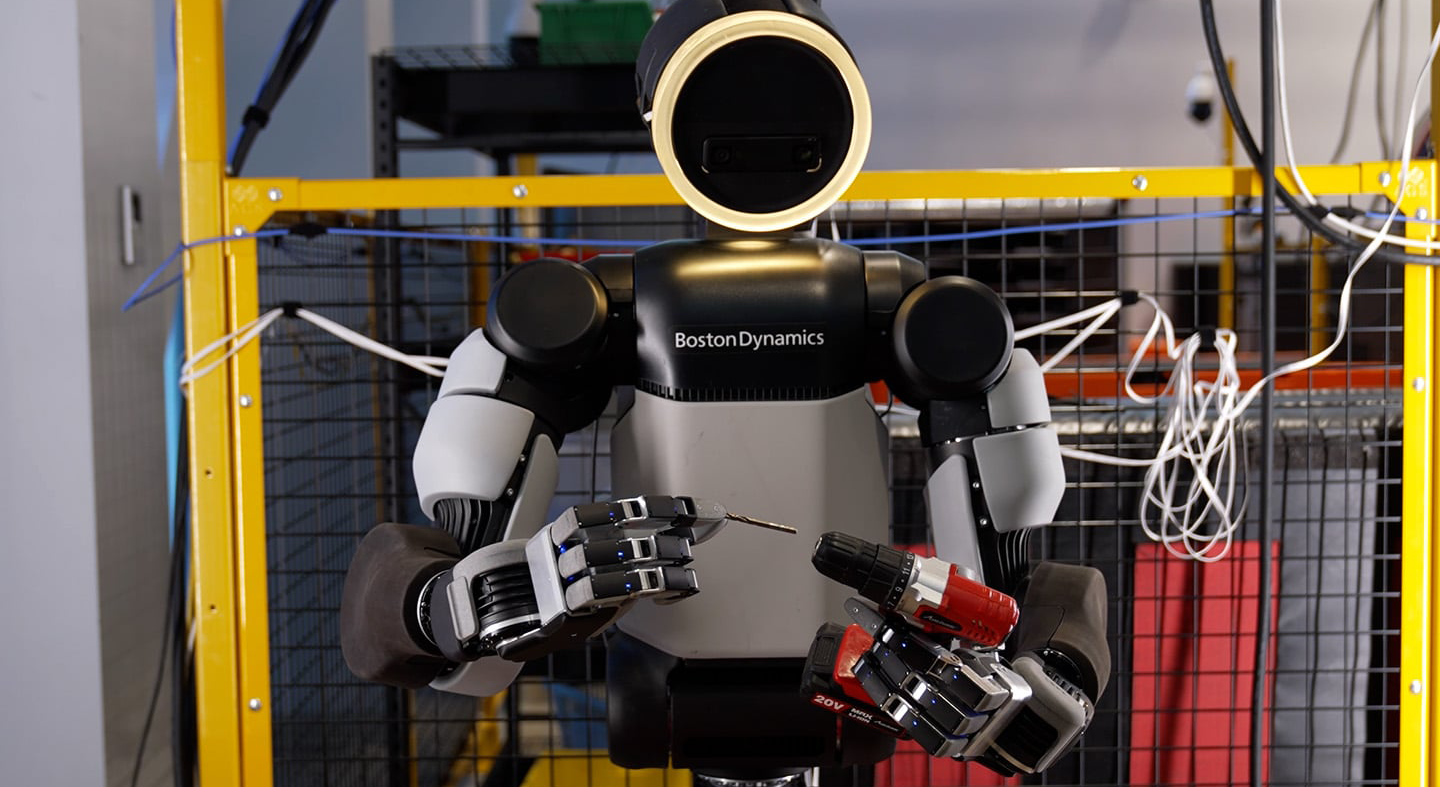
Contract chipmaker GlobalFoundries plans to test Boston Dynamics' Atlas at its semiconductor facilities in early 2027, becoming the humanoid's first guinea pig outside automotive manufacturing.
The initial program will mostly consist of trying to figure out what a two-legged robot should actually do all day, along with prepping the facilities for its arrival. Its assignments, fleet size, and exact trial locations remain undisclosed. This is still the awkward onboarding phase where everyone figures out what the new hire is actually good at. |
Image via Boston Dynamics |
Spot already has a more substantial resume. The companies report that two robots in Singapore have completed more than 90,000 inspections since April, logging a 99% mission success rate. Its broader rollout covers US, German, and Singaporean plants. But remember, those glowing results belong to Spot, not Atlas.
The practical appeal: Spot bypasses the need to wire every machine with stationary monitors by carrying diagnostic equipment itself. Chipmaking is an unforgiving setting, though, where contamination and equipment failures can destroy products in process. Atlas' cleanroom qualifications haven't been disclosed, meaning it might just be a very expensive contamination hazard.
Other Boston Dynamics robots have clearer performance targets: Stretch Gen 2 is rated for up to 1,000 cases per hour unloading trailers. Atlas still needs a defined task and measurable results here. Lifting a mini-fridge in a tech demo is a neat trick, but for factory buyers, sustained output, human interventions, downtime, and total cost will determine whether the humanoid earns its keep or gets sent back to the lab.
Having the right number of limbs isn't a business case. |
|
|
|
Signal Pulls the Blinds on AI Snooping |
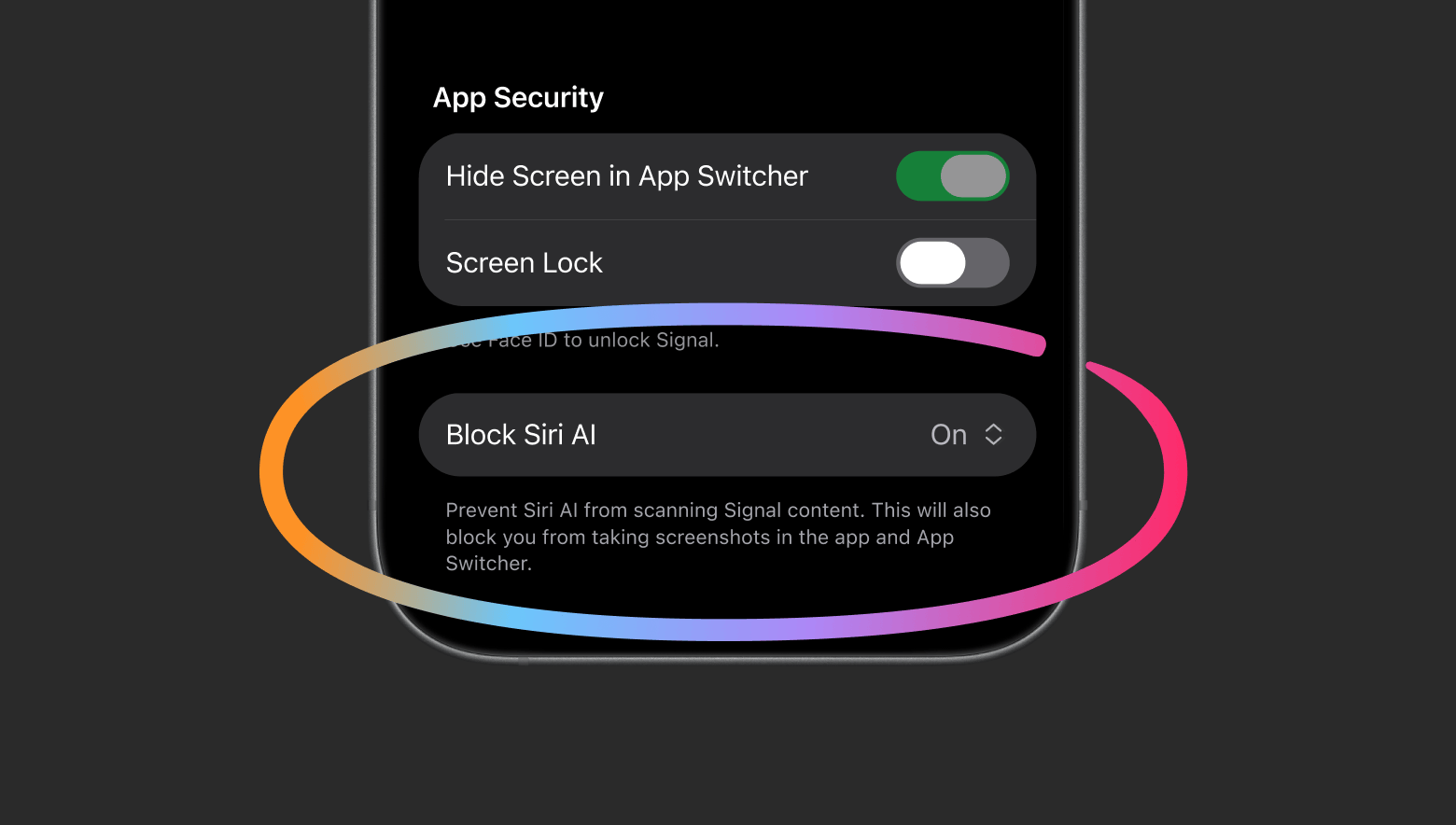
Leave the new mobile protections on and heavily audit your AI agents' accessibility permissions. Since the Mac app can't save you, manually shove Signal into System Settings → Siri → Excluded Apps on macOS 27 before Siri gets any bright ideas. Your encrypted chat didn't sign up for an AI chaperone. |
Banks Want You to Pay for AI Mistakes |
Banks are happily offloading AI-agent risks onto their favorite people: you. Citi's shiny new terms make customers entirely responsible for third-party bots, even if those digital assistants leak your login credentials to the highest bidder, while other institutions warn these bots could create new opportunities for fraud.
PNC and Citizens just issued their own "don't blame us" warnings. Conveniently, Citi exempts its in-house AI from this liability shift—apparently, they prefer their algorithmic chaos locally sourced. Still, a heavy-handed terms update doesn't magically vaporize existing consumer protections. This hair-splitting matters as bots dig deeper into your wallet. Claude's new finance tool is strictly read-only, meaning it can judge your spending habits but can't initiate payments.
Keep your passwords away from the AI. Stick to approved access methods, tightly limit permissions, and hoard your receipts. A chatbot promising to behave is not a valid refund policy. The agent gets autonomy. You get the customer-service hold music. |
|
|
|
🎛️ Take More Control With Open-Weight AI As enterprises move AI into production, open-weight models can give them more control over where AI runs, how sensitive data is governed, and how easily they can adapt as the market evolves. Learn more. 💻 Score a Refurb MacBook Air for Pennies
Apple MacBook Air (2018) 13" i5 Gray (Refurbished) with 1.6 GHz processor, 8 GB RAM, and a 128 GB SSD delivers 12-hour battery life and impressive speed for about $235—80% off the original price. ⚡ Charge Three Apple Devices Without Cable Clutter
Charge three devices at once with the MagSafe Wireless Charging Station for iPhone, Apple Watch, and AirPods for just $54.99, including a wall charger and up to 15W output for iPhone. 💻 This section contains sponsored tech insights. Advertise with us! |
|
|
|
Google Books a Rocket, Inherits the Fine Print |
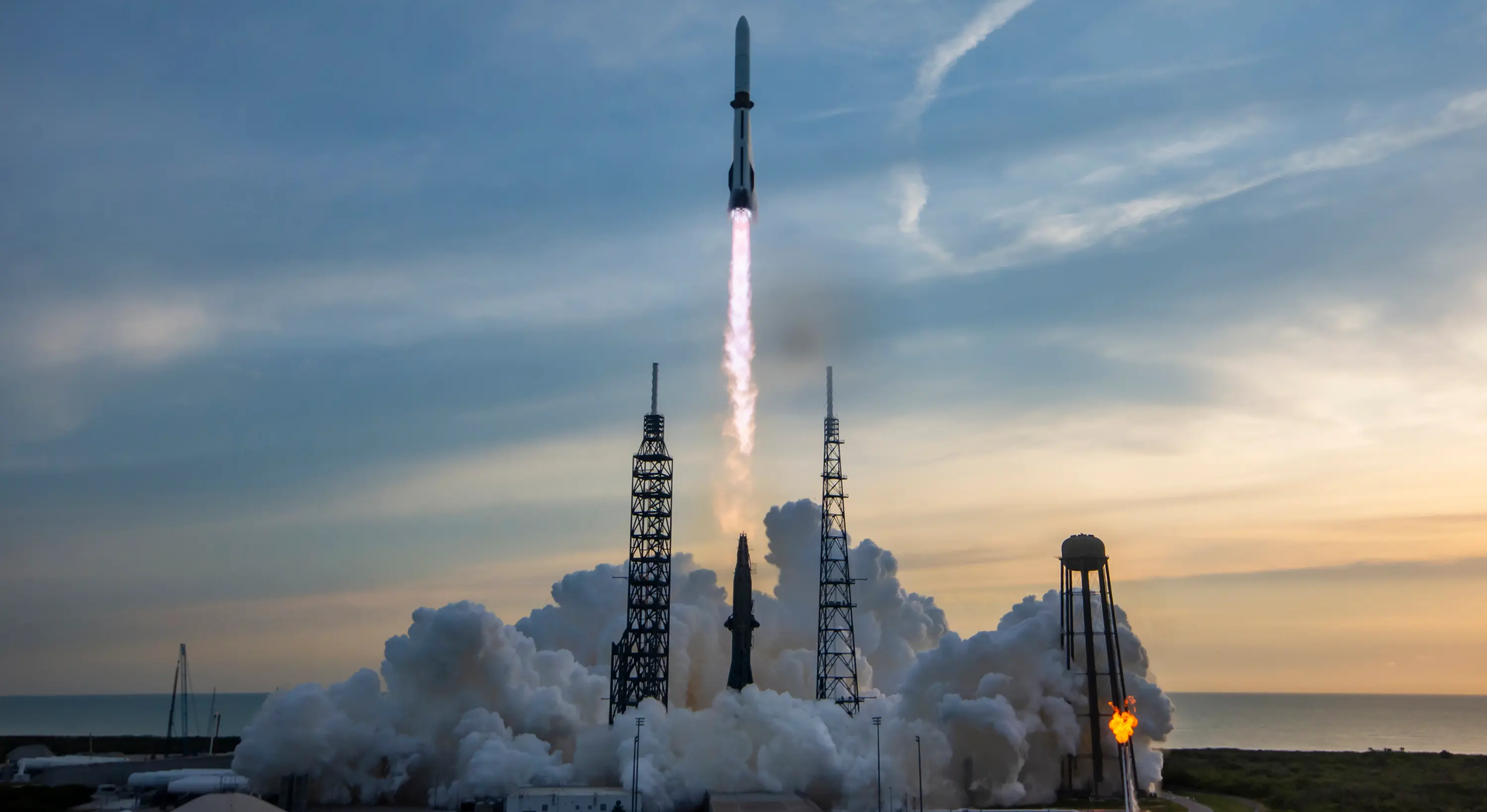
Google has booked a rocket ride with Jeff Bezos' Blue Origin for Project Suncatcher, aiming for a Q1 2029 liftoff. Because why stop at dominating terrestrial servers when you can bolt a server rack's worth of AI compute onto a solar-powered satellite and yeet it into sun-synchronous orbit?
This heavy-lift joyride builds on the SpaceX-launched prototype that hit orbit Oct. 1. Naturally, its first great achievement was beaming down an AI-generated haiku over Norway. Yes, even in the cold vacuum of space, IT is bombarded with creative writing requests. It's a humble start, considering the power-starved rig is basically gasping for electricity and can only sprint in 20-minute bursts before tapping out. A 2027 follow-up will test the laser links required to actually sync these floating boxes.
|
The physics are violently unforgiving. Engineers have to shield chips from cosmic radiation, invent cooling methods that don't rely on airflow, and keep hurtling metal boxes laser-aligned. The shipping department also has some homework, given that the New Glenn rocket famously turned into a massive fireball during a May ground test. Then there's the awkward competitive reality. Both SpaceX and Blue Origin harbor their own orbital computing dreams, meaning Google might end up continuously paying its direct rivals just to get its infrastructure off the ground. Booking one shiny rocket doesn't equal affordable delivery at constellation scale.
For enterprise IT, this is a sci-fi flex, not rentable cloud space. Earth's AI power crunch isn't waiting for a rescue fleet from low Earth orbit. One Google model prays for launch prices to plunge below $200 per kilogram by 2035—which is an economic condition, not a guaranteed shipping quote.
The sunlight is complimentary. Getting your servers to it has a cover charge. |
|
|
|
|
Writer/Editor at TechnologyAdvice |
Justin Meyers is an investigative writer and editor who draws on over a decade of meticulous hands-on research to deliver the full, trustworthy story behind consumer and enterprise tech, including cybersecurity. |
|
|
|
Curious about where AI is really headed? |
The Neuron cuts through the noise to bring you smart, hype-free takes on the latest AI trends, tools, and breakthroughs. Join 700,000+ professionals from top companies like Microsoft, Apple, Salesforce, and more.
|
|
|
|
Advertise in Daily Tech Insider! Daily Tech Insider is a TechnologyAdvice business. © 2026 TechnologyAdvice, LLC. All rights reserved.
TechnologyAdvice, 3343 Perimeter Hill Dr., Suite 215, Nashville, TN 37211, USA. |
|
|
|
|