Technology is advancing, but are our defenses keeping up? |
From vulnerabilities hiding in familiar tools to AI decisions with unexpected consequences, today's headlines have me thinking about where teams should place their trust. - Ken Have cybersecurity expertise to share? Join eSecurityPlanet’s Contributor Program.
Missed a newsletter? Read past issues here. |
|
|
|
Here’s what you need to know: |
|
|
|
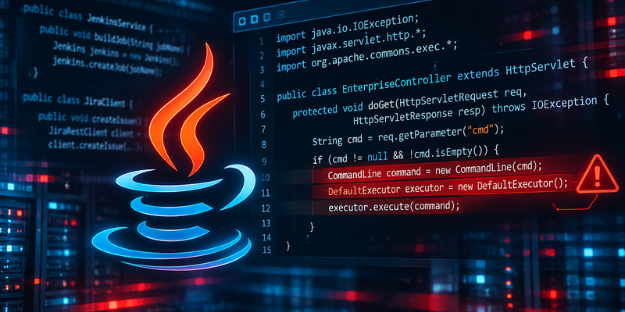
Java4Shell RCE Threatens Enterprise Tools |
Researchers demonstrated unauthenticated remote code execution through Java4Shell, a flaw affecting certain deployments of Jira, Jenkins, and other enterprise applications.
CISA recommended immediate patching, while security firms detected exploitation attempts but no confirmed successful compromises. |
My Take: Third-party applications can introduce hidden risks when vendors bundle vulnerable Java runtimes, making visibility into these dependencies essential for security teams. Inventory Java runtimes, apply vendor-approved patches, and monitor affected systems for suspicious activity. |
Market Research Giant Ipsos Reports Security Breach |
Market research firm Ipsos disclosed a breach of an internal system on November 16. The company said operations remain unaffected but has not confirmed whether any data was accessed or stolen.
My Take: I think this incident highlights the importance of knowing what sensitive information third-party providers store and how long they retain it. Review vendor data retention policies, identify sensitive information shared with Ipsos, and confirm breach notification procedures for potentially affected projects. |
Facial Recognition Errors Lead to Wrongful UK Arrest |
A UK police watchdog group identified weaknesses in facial recognition practices, including a case where a man was mistakenly arrested after an incorrect match.
The investigation found excessive reliance on automated results, inadequate auditing, and demographic differences in algorithm performance, raising broader concerns about AI oversight. My Take: I think the greater risk is when people place too much trust in automated AI recommendations and fail to independently verify their accuracy.
Audit AI-assisted decisions, independently verify results, and establish clear procedures for correcting errors. |
|
|
|
Barracuda CISO Warns AI Could Weaken Cybersecurity Skills |
Barracuda's CISO warns that growing reliance on AI automation could weaken the investigative skills and judgment cybersecurity analysts need to identify complex threats.
According to SANS research, 74% of cybersecurity teams are changing their structures and responsibilities because of AI, potentially reducing hands-on learning opportunities for junior analysts. |
My Take: I think security leaders need to rethink how they develop junior analysts as AI takes over routine tasks. Without structured training and mentorship, organizations risk creating a workforce that depends on automation without fully understanding the threats it's supposed to detect. Require junior analysts to assess alerts independently, compare their findings with AI-generated results, and review decisions with experienced team members.
|
Enterprise SSO Demands Put SaaS Security to the Test |
Growing B2B SaaS companies face increasing pressure to meet enterprise identity security requirements beyond SSO.
Customers also expect automated provisioning through SCIM, tenant isolation, audit logging, and secure access controls for AI agents. My Take: A key challenge for growing SaaS companies is maintaining consistent identity security as their customer base expands.
Test identity lifecycle workflows, enforce tenant-specific access controls, and verify that offboarding revokes user sessions, API credentials, and AI agent permissions. |
|
|
|
How Secure Are Your Digital Identities? |
Identity-based attacks continue to threaten organizations through stolen credentials, compromised sessions, and excessive privileges. |
How to reduce identity risk: |
- Strengthen authentication with phishing-resistant MFA and IAM tools to enforce least privilege and manage access.
-
Monitor identity activity for suspicious logins, privilege changes, and unauthorized access across user and service accounts.
- Secure identity lifecycles by automating offboarding, revoking credentials, and regularly reviewing user and AI agent permissions.
|
Security teams should report MFA adoption, privileged access risks, access review completion, and identity threat response times to leadership. |
|
|
|
Security Tools You Can Use |
| |
|
Would you trust an AI-generated threat alert? |
|
|
|
Yesterday's Pulse Check Results |
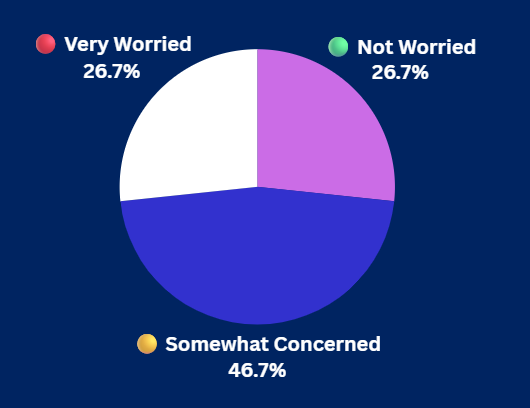
Are the recent outages keeping you up at night? |
|
|
|
|
Ken Underhill is an award-winning cybersecurity professional, bestselling author, and seasoned IT professional. He holds a graduate degree in cybersecurity and information assurance from Western Governors University, bringing years of hands-on experience to the field. |
|
|
|
Cybersecurity Insider is a TechnologyAdvice business |
© 2026 TechnologyAdvice, LLC. All rights reserved. |
TechnologyAdvice, 3343 Perimeter Hill Dr., Suite 215, Nashville, TN 37211, USA. |
|
|
|
|