Even the most critical systems aren't immune to disruption. |
|
|
|
Here’s what you need to know: |
|
|
|
NSA Classified Network Hit by Outage |
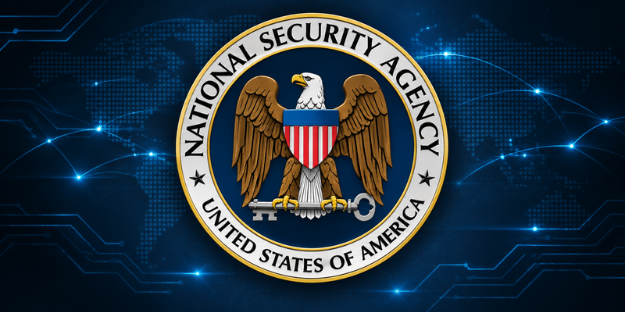
The NSA’s classified communications network, NSANet, went offline on November 17, although officials reported no evidence of a cyberattack. Backup networks remained operational, allowing urgent intelligence communications to continue despite the disruption. |
My Take: This incident serves as a reminder to keep backup communications independent of primary systems and regularly test their resilience under realistic outage conditions. Verify backup connectivity, separate authentication systems, and test failover procedures to maintain communications during outages. |
Japan's Fugaku Supercomputer Shut Down After Cyberattack |
Japan's RIKEN research institute shut down its Fugaku supercomputer after threat actors accessed its internal network through a publicly accessible dashboard. The breach potentially exposed data belonging to 4,597 users, including SSH keys and other credentials. My Take: Stolen SSH keys and credentials can still provide access to other systems, even after the affected infrastructure has been taken offline. Revoke exposed SSH keys, rotate compromised credentials, and monitor logs for unauthorized access. |
Oracle Patches 652 Flaws, Including Critical Java Bugs |
Oracle's November update included 652 security patches across Java SE, Fusion Middleware, Analytics, and other enterprise products. The update addresses 11 Java vulnerabilities that could potentially be exploited remotely without authentication. My Take: I think this massive patch release is a reminder that identifying every vulnerable system can be just as challenging as applying the fixes. Identify embedded Java runtimes, prioritize internet-facing Oracle services, and verify patch deployment. |
|
|
|
Public Wi-Fi shouldn't put your privacy at risk
IPVanish helps protect your personal information with powerful VPN encryption, advanced threat protection, and an independently audited zero-logs policy. Browse, stream, and connect more securely wherever you go, with unlimited simultaneous connections across your devices.
Whether you are catching up on emails at a local café, connecting while traveling or banking on the go, IPVanish features keep snoopers, cybercriminals, and trackers away from your sensitive data. Safeguard your entire digital footprint effortlessly and enjoy high-speed, reliable internet freedom anywhere, anytime. Early Black Friday access offers Up to 85% on all 2-year plans. |
|
|
|
Tor Relays Slammed by DDoS Attack |
The Tor Project issued an emergency security update after a DDoS attack overwhelmed relays across its network. This update strengthens IPv6-related protections, although some operators continue reporting disruptions and the attackers remain unidentified. |
My Take: The attack highlights the challenges of defending decentralized networks against sustained DDoS campaigns, especially when security depends on infrastructure managed by independent volunteers. Relay operators should upgrade to the latest version, monitor relay availability and bandwidth, and report recurring disruptions to help identify changing attack patterns. |
SpyCloud Warns AI, Identity Attacks Will Surge in 2027
|
SpyCloud predicts cybercriminals will increasingly target stolen sessions, AI credentials, and trusted third-party connections in 2027. Its research found that 48% of surveyed organizations experienced account takeovers despite having MFA enabled, while 68% reported breaches involving third parties. My Take: These findings reinforce why identity security must extend beyond passwords and MFA. Stolen session tokens and API keys can allow attackers to bypass traditional authentication controls. Monitor compromised session tokens, revoke exposed API keys, and regularly review third-party permissions to reduce unnecessary access. |
|
|
|
Can Your Defenses Withstand a DDoS Attack? |
How to protect against DDoS attacks: |
- Deploy DDoS protection tools like Cloudflare or AWS Shield and enable rate limiting to filter malicious traffic.
-
Monitor network activity for unusual spikes and use load balancing and redundant infrastructure to maintain availability.
- Coordinate DDoS response plans with service providers and regularly test recovery procedures to minimize downtime.
|
Security teams should track DDoS detection and mitigation times, service downtime, and legitimate traffic availability to measure defense effectiveness. |
|
|
|
Security Tools You Can Use |
|
|
|
Are the recent outages keeping you up at night? |
|
|
|
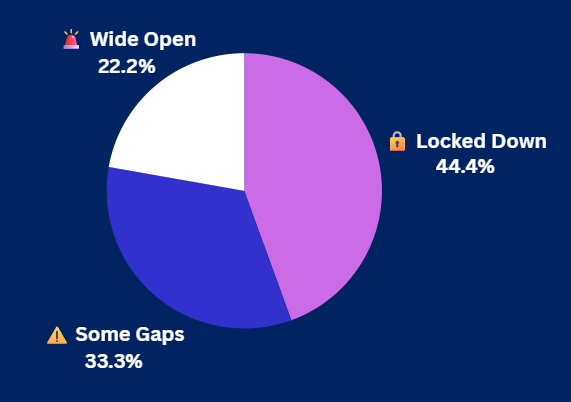
Yesterday's Pulse Check Results |
Could your defenses stop a breach? |
|
|
|
|
Ken Underhill is an award-winning cybersecurity professional, bestselling author, and seasoned IT professional. He holds a graduate degree in cybersecurity and information assurance from Western Governors University, bringing years of hands-on experience to the field. |
|
|
|
Cybersecurity Insider is a TechnologyAdvice business |
© 2026 TechnologyAdvice, LLC. All rights reserved. |
TechnologyAdvice, 3343 Perimeter Hill Dr., Suite 215, Nashville, TN 37211, USA. |
|
|
|
|