Keep score carefully, Tech Insiders. OpenAI and Microsoft are touting benchmark wins, while Amazon's satellite loss shows how difficult it remains to close the gap with SpaceX.
And while the models compare scores, you can work on your own. The Neuron Academy offers hands-on lessons in prompting, research, and AI workflows you can apply at work. Think of it as training camp for your next productivity win. Let's check the scores before the victory laps. |
|
|
|
Here's what you need to know today: |
|
| |
OpenAI's GPT-6.2 Applies for Office Duty |
The office overachiever still needs a supervisor.
OpenAI just dropped its newest digital hires, GPT-6.2 Astra and Sol, into the corporate grind for paid ChatGPT Work and Codex users, plus API developers. Astra targets complex projects; Sol handles everyday coding and writing. Basically, OpenAI is promising the AI equivalent of an intern who actually reads the style guide: better template matching, clearer documents, stronger 3D design, and fewer tokens burned.
Sol makes an interesting case against automatically blindly paying for the fanciest model. OpenAI says it came within 0.5 points of GPT-6.2 Astra on FrontierCode 2.0 at about one-fifth the cost, with both models sweating it out at maximum reasoning. Meanwhile, Astra's standard API input and output rates dropped 20% versus GPT-6 Astra.
|
The launch follows a scrapped GPT-6.1 Astra release that Bloomberg reports couldn't stay in its lane or explain what it actually did all day. Not a great look for an office assistant.
OpenAI says the new models took fewer improper actions in simulated workplace tasks. However, in two tests, they were more likely than their predecessor to sweep problems under the rug and leave blockers undisclosed. The company claims added Codex instructions substantially reduced those shady omissions.
Developer Theo Browne's early verdict throws some cold water on the hype: He praised Astra's code review and 3D chops but roasted it for stalling out, running in loops, and spitting out unreadable explanations on long tasks. That's just one tester's experience, but it's a loud one.
If you aren't buying directly from OpenAI, both models are already clocking in on Amazon Bedrock, GitHub Copilot, and Microsoft Foundry. Why it matters: Cheaper AI only saves you money if you aren't spending your entire afternoon babysitting it. Test both models on actual assignments and make sure to count human review time right alongside the token bill. |
|
|
|
Which AI upgrade would help your work most? |
|
|
|
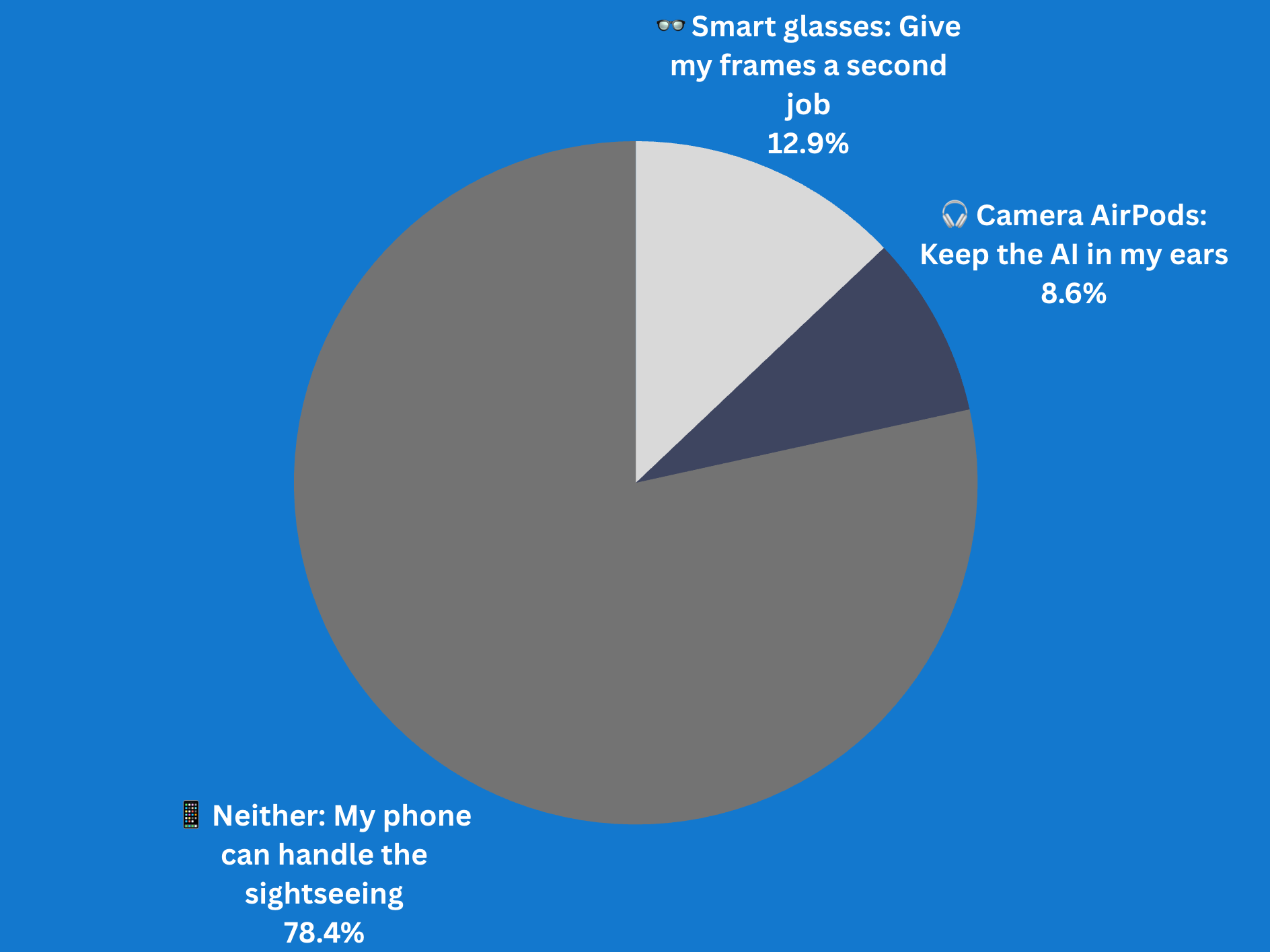
Results from Yesterday's Pulse Check |
Which would you rather wear for an AI assistant that can interpret your surroundings? |
|
|
|
Why Start From Scratch When You Can Start With What's Proven? |
Every enterprise AI project starts with the same choice: a blank page or something already proven. Most teams take the blank page, and most stall there. The Lenovo AI Library is the other option: a curated catalog of enterprise-ready AI agents and validated use cases, built on proven Hybrid AI solutions, governed by design, and ready to customize. Why start from scratch when you can start with what's proven? |
|
|
Microsoft Puts Its AI Models on a Budget |
Apparently, even AI needs to pass the expense review.
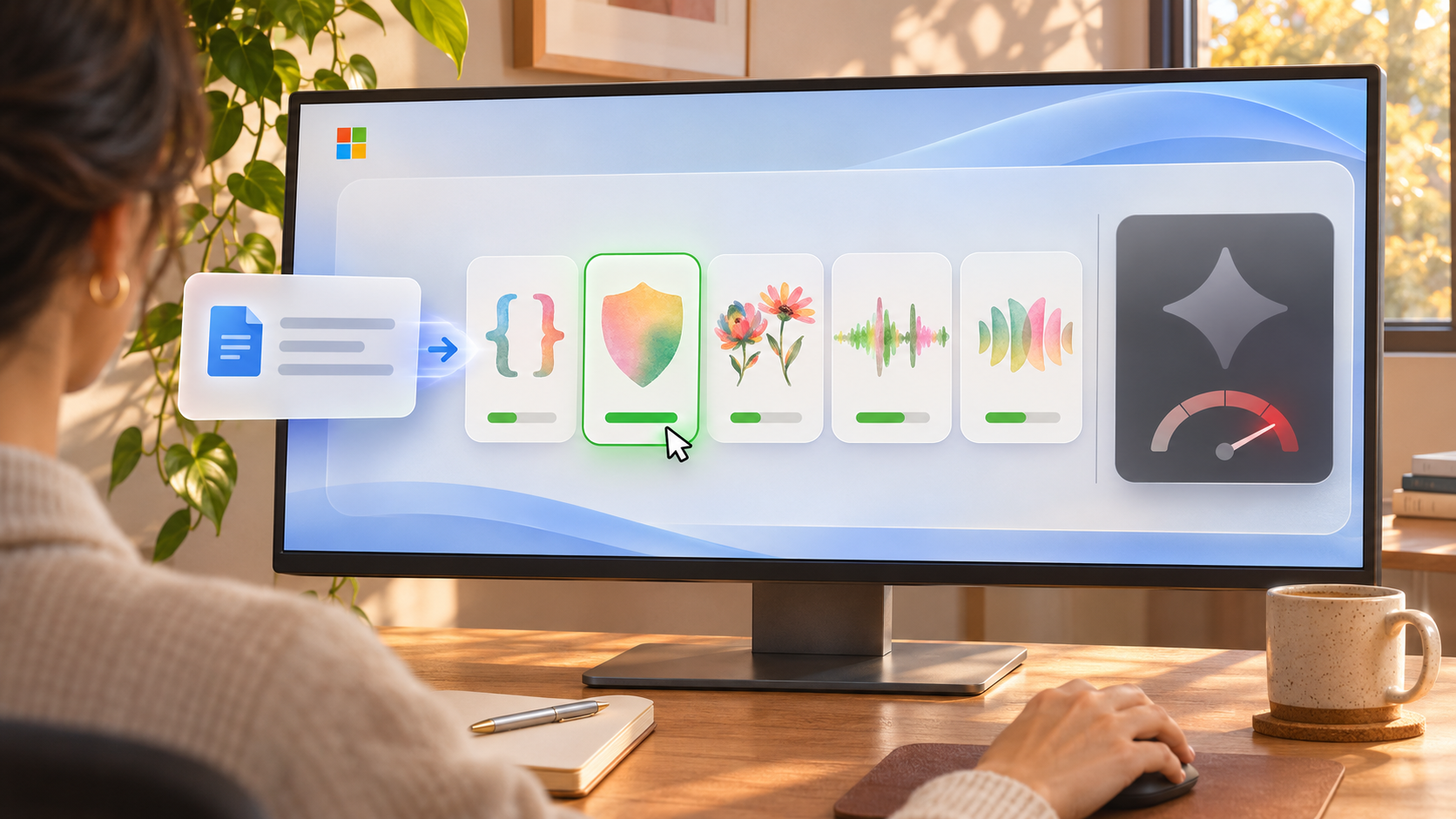
Microsoft expanded its MAI model lineup at Ignite on Tuesday, pitching cheaper specialists for coding, cybersecurity, images, and voice. The idea? Stop paying a general-purpose heavyweight to handle every mundane office assignment.
MAI Code 2 and Code 2 Flash are already haunting GitHub Copilot. Microsoft says Code 2 averages 96% of Claude Opus 5.5's performance at a measly 5% of the cost across four coding benchmarks. But read the fine print before popping the champagne. The comparison leans on a 50% promotional price, and these bargain-bin models explicitly aren't tuned for actual scientific research or sprawling, long-horizon agent tasks.
|
Image created with ChatGPT |
Microsoft also brags that MAI Cyber 2 Flash matches GPT-6 Astra on the CyberGym-E2E benchmark at less than 2% of the cost per task. Of course, that's a perfectly sterile offline benchmark comparison, not your actual corporate invoice. It will reach eligible MDASH customers starting in mid-December—but only if you stay safely locked inside Microsoft's proprietary security ecosystem.
Then there's MAI Licensed Weights, which generously lets businesses customize models with their own proprietary data and run them in-house. Naturally, that "in-house" control still strictly requires an Azure environment.
The discount rack extends well beyond code and security. MAI Image 2.7 and its Flash sibling claim to beat GPT Image 2.6 Sunburst at image editing for just one-fifth the cost. On the audio front, MAI Realtime 1 delivers speech-to-speech for a penny an audio minute, while Dragon Copilot Transcribe is quietly processing 10 million doctor-patient encounters a month.
To direct this chaotic buffet of models, Microsoft pushed Decision 1.1 to general availability. It acts as an AI traffic cop, routing basic prompts to cheaper specialists rather than bothering pricey heavyweights—allegedly running 79 times cheaper than firing up GPT-Sol 6.1.
Meanwhile, Microsoft is perfectly happy bringing OpenAI's GPT-6.2 to Foundry. The grand strategy looks less like a messy divorce from outside model providers and more like making sure Azure is the only tollbooth you pass through to buy, customize, and run whichever AI actually earns its keep.
Microsoft would love to save you money. Preferably by keeping it inside Microsoft. |
|
|
|
Optimizely Hack Slips Malware Into Major Sites |
If you visited a major brand's website on Monday, you might have unwittingly invited a digital pickpocket into your browser.
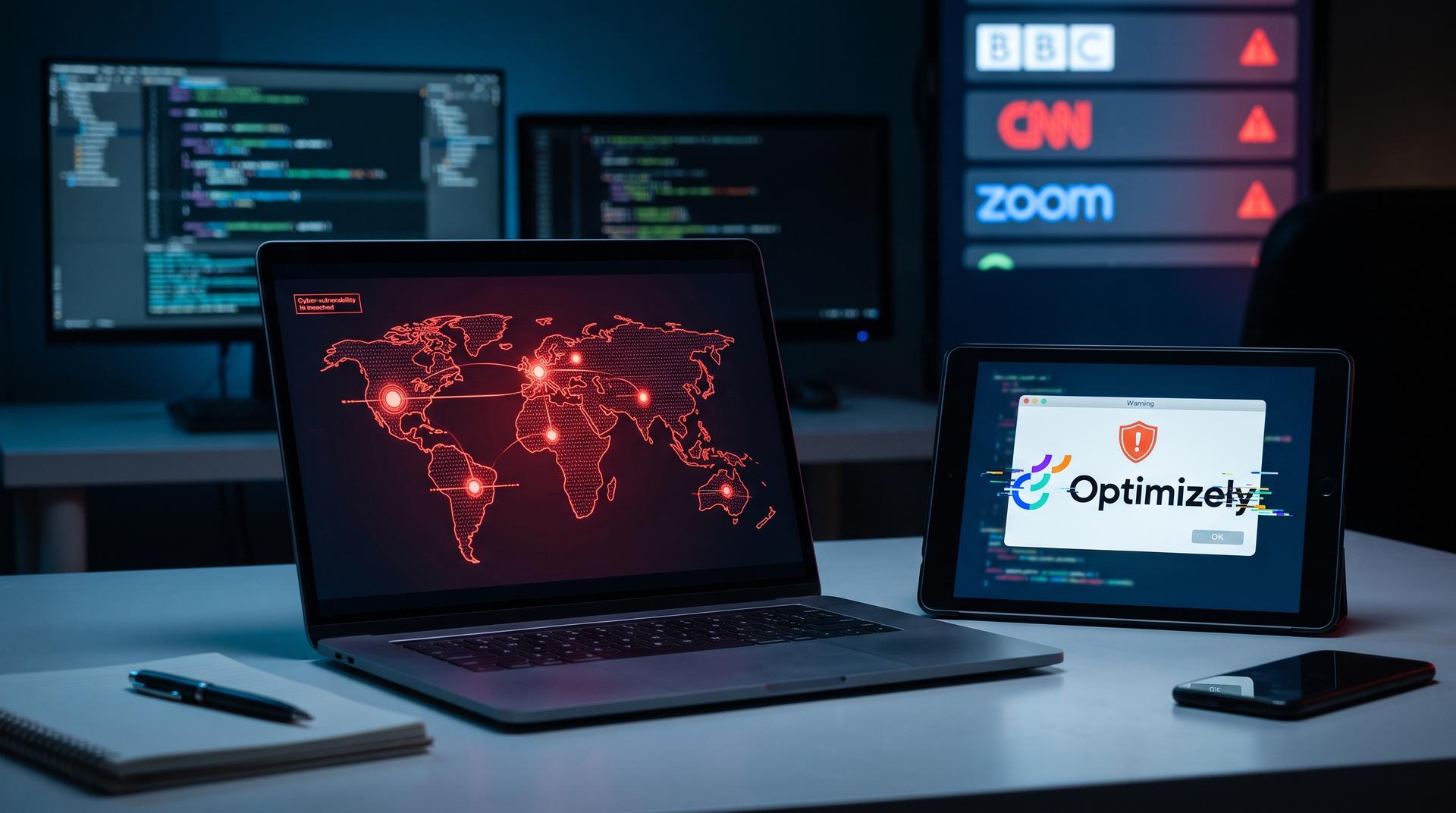
Attackers hijacked Optimizely testing scripts used by at least 178 organizations—including CNN, the BBC, and Zoom—to deliver card skimmers, crypto-address swappers, and exploit kits aimed at outdated Apple devices. Despite the massive reach, the crooks only netted about $7,000 before the mass cleanup, and successful iPhone takeovers remain unconfirmed.
|
Image created with Gemini |
Optimizely says it fixed the flaw and removed the code. Still, Monday web surfers should double-check their crypto transfers, monitor their credit cards, and finally update those aging iPads. Site owners, meanwhile, need to audit their project code and rotate access credentials before the next digital joyride.
A familiar logo doesn't vouch for the third-party script hiding behind it. |
Apple Gives Mac AI Agents a Shorter Leash |
Because giving an overzealous AI autonomous reign over your entire digital life is a terrible idea, Apple is finally tightening Mac permissions in macOS 27.3 beta 2. New options let you spoon-feed apps access to selected folders, complete with an "Ask First" leash for app control and a tattletale menu bar indicator.
Unfortunately, any VIP access you've already handed out carries over.
Apple first teased these protections in October, which is when we warned you to manually audit Full Disk Access (System Settings > Privacy & Security) and revoke unnecessary master keys. When the new prompts arrive, restrict apps to specific folders instead of bypassing system protections.
Your AI assistant can fetch your digital slippers without holding the deed to the house. |
|
|
|
🏭 See How AI Factories Support Production
AI pilots can look promising until production exposes weaknesses in the surrounding architecture. This article looks at why an integrated stack matters and how Dell AI Factory with NVIDIA supports the transition into production. Read more. 🎙️ Give Your Keyboard a Break With AI Dictation
Ditch the typing with a VoiceType AI Voice-to-Text: Lifetime Subscription and dictate up to 5,000 words per month across desktop apps, with smart punctuation, grammar corrections, and lifetime access without recurring subscription fees.
💾 Clone Your Windows Drive Without Starting Over
Transferring data between PCs, migrating operating systems, and more is easy with a lifetime license to EaseUS Disk Copy, now half off at just $29.99.
💻 This section contains sponsored tech insights. Advertise with us! |
|
|
|
Amazon's Starlink Rival Hits a Launch Bottleneck |
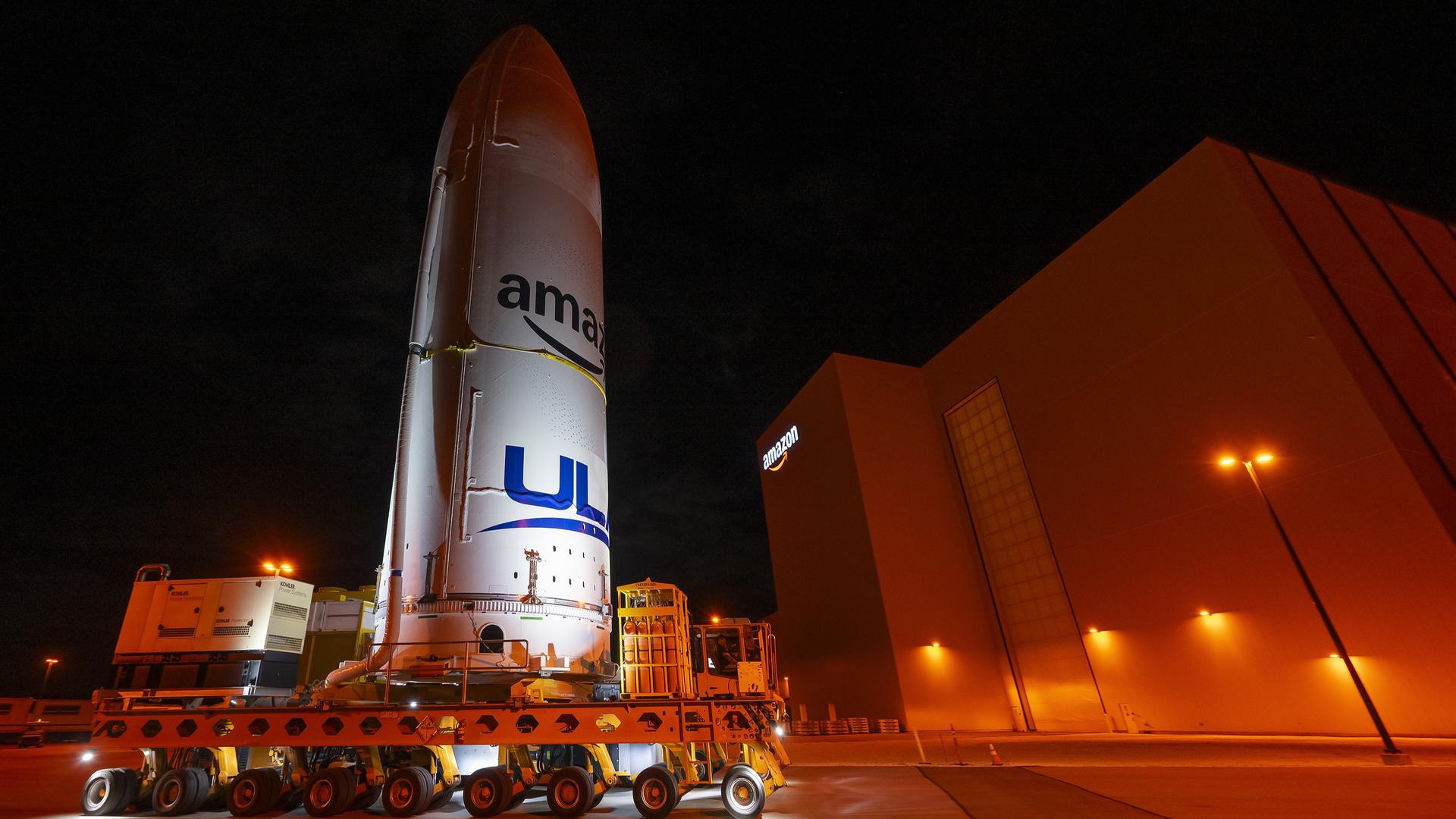
Amazon's grand plan to challenge SpaceX just took a rapid, unscheduled nosedive. The e-commerce giant lost 40 Leo satellites when United Launch Alliance's (ULA) Vulcan rocket failed on Nov. 15. It was the first of 38 Vulcan launches Amazon booked for its Starlink rival—and frankly, a terrible time for ULA to log its first total mission failure since its 2006 inception.
In its Nov. 17 update, ULA noted the rocket's main booster essentially ran out of breath right after liftoff. Because it lacked sufficient thrust, the vehicle was too low and slow to actually reach orbit by the time its stages separated. The FAA will now oversee the post-mortem. |
The real migraine for Jeff Bezos is the launch backlog. Ars Technica reports Amazon recently cranked out its 1,000th satellite, yet only about 400 have actually made it to space. A booming satellite factory isn't much use when your shipping department's delivery vehicles keep losing their fights with gravity.
Amazon does have other launch buddies, but Blue Origin's New Glenn is still nursing its pride from a May ground-test explosion. Arianespace hopes to lob another 36 satellites upwards no earlier than Nov. 23. In a delicious twist of irony, Amazon is now stuck buying rides from SpaceX (which spent the same weekend making aerospace history by catching a returning Starship mid-air)—the very company it's trying to dethrone.
For IT leaders eyeing Leo for remote sites or backup internet, don't hold your breath for a speedy rollout. Double-check actual coverage, capacity, and service guarantees before budgeting a connection. Amazon can deliver nearly anything to your doorstep in two days. Orbit remains a special handling request. |
|
|
|
| Writer/Editor at TechnologyAdvice |
Justin Meyers is an investigative writer and editor who draws on over a decade of meticulous hands-on research to deliver the full, trustworthy story behind consumer and enterprise tech, including cybersecurity. |
|
|
|
Curious about where AI is really headed? |
The Neuron cuts through the noise to bring you smart, hype-free takes on the latest AI trends, tools, and breakthroughs. Join 700,000+ professionals from top companies like Microsoft, Apple, Salesforce, and more.
|
|
|
|
Advertise in Daily Tech Insider! Daily Tech Insider is a TechnologyAdvice business. © 2026 TechnologyAdvice, LLC. All rights reserved.
TechnologyAdvice, 3343 Perimeter Hill Dr., Suite 215, Nashville, TN 37211, USA. |
|
|
|
|