Cyberattacks are moving faster, and the fallout is growing. |
Today, I'm watching a troubling mix of major data breaches and AI-powered attacks that could leave security teams with even less time to respond. - Ken Have cybersecurity expertise to share? Join eSecurityPlanet’s Contributor Program.
Missed a newsletter? Read past issues here. |
|
|
|
Here’s what you need to know: |
|
|
|
Nearly 150K Uber Drivers’ Data Exposed |
Attackers used compromised credentials from AI provider Fireworks AI to access Uber driver records belonging to 149,346 people. The exposed information included driver's license images, names, addresses, birth dates, and identification numbers. |
My Take: This incident is a reminder that third-party risk assessments shouldn't end after onboarding.
Regularly audit vendor permissions, enforce least-privilege access, and monitor third-party accounts for suspicious activity. |
La Poste Subsidiary Hack Exposes 22 Million |
A cyberattack on La Poste subsidiary Maileva exposed personal information associated with 22 million people across France. The exposed information included names, addresses, and correspondence containing financial or healthcare details.
My Take: Even without banking details, exposed medical bills and housing records can help attackers craft convincing payment scams. Identify downstream data processors, review breach notification requirements, and verify vendor access controls. | Fandango Warns Customers of Stolen Payment Details |
Fandango disclosed that attackers may have accessed customer payment information through its online checkout page. The potentially exposed data includes card numbers, CVV codes, expiration dates, and billing ZIP codes.
My Take: Fandango's breach reinforces the importance of regularly testing payment-page security controls to ensure unauthorized changes and suspicious activity are detected quickly. Continuously monitor checkout scripts, enforce Content Security Policy (CSP), and investigate unexpected payment-page modifications or outbound connections. |
|
|
|
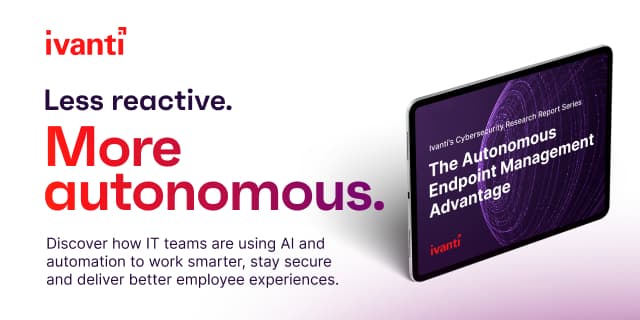
IT teams are being asked to do more, while day-to-day workloads continue to grow. Ivanti’s 2026 Autonomous Endpoint Management Report examines how AI, automation and connected data can shift IT from reactive troubleshooting towards more proactive endpoint management.
Explore new research into automation maturity, cyber hygiene, IT efficiency and the barriers holding organisations back. See where autonomous endpoint management can reduce routine work and help IT teams focus their time where it matters most. |
|
|
|
Google Uncovers AI Tool That Automates Exploit Development |
Google researchers uncovered an attacker-controlled AI framework that analyzes security patches to automatically identify vulnerabilities and develop exploits. The framework, called exploit_agent, could significantly shorten the window organizations have to patch vulnerable applications. |
My Take: With growing patch backlogs and faster AI-driven exploits, I think security teams should track overdue vulnerabilities on internet-facing systems to prioritize remediation. Mean time to remediate (MTTR) can then help measure how quickly those risks are addressed. Continuously scan for vulnerabilities, prioritize internet-facing systems, and implement compensating controls when patching is delayed. |
FBI Warns AI-Powered Attacks Gain Admin Access in Hours |
The FBI warned that attackers are using the AI-powered ARTEX framework to automate intrusions, with some reaching privileged access in under three hours. This framework has been linked to attacks on organizations that exploit exposed credentials and excessive cloud permissions. My Take: What concerns me about AI-powered attacks isn't new techniques, but how quickly attackers can exploit existing weaknesses at speed and scale. Audit privileged access, monitor suspicious logins, and test rapid credential revocation and incident containment. |
|
|
|
Recent data breaches highlight the need for organizations to know where sensitive information is stored and who can access it. |
How to reduce data exposure risk: |
- Protect sensitive data by classifying and encrypting it at rest and in transit.
-
Limit unauthorized access through least-privilege permissions and regular third-party access reviews.
-
Use DLP tools to detect suspicious activity and block unauthorized data transfers.
|
Track sensitive data exposure, unauthorized access attempts, DLP violations, MTTD, and MTTC. |
|
|
|
Security Tools You Can Use |
|
|
|
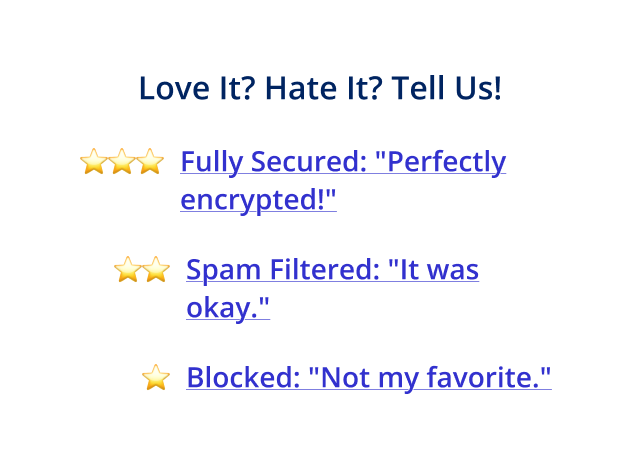
Could your defenses stop a data breach? |
|
|
|
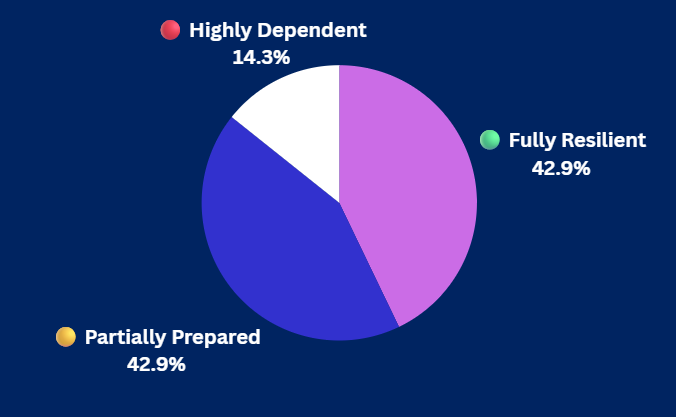
Yesterday's Pulse Check Results |
If M365 went down again, could your security operations keep running? |
|
|
|
|
Ken Underhill is an award-winning cybersecurity professional, bestselling author, and seasoned IT professional. He holds a graduate degree in cybersecurity and information assurance from Western Governors University, bringing years of hands-on experience to the field. |
|
|
|
Cybersecurity Insider is a TechnologyAdvice business |
© 2026 TechnologyAdvice, LLC. All rights reserved. |
TechnologyAdvice, 3343 Perimeter Hill Dr., Suite 215, Nashville, TN 37211, USA. |
|
|
|
|