Even the systems we rely on most have their weak spots. |
Today, I'm looking at last week's Microsoft 365 outage and FAA ground stop. Both remind us that even advanced technology can be disrupted by underlying infrastructure issues. - Ken Have cybersecurity expertise to share? Join eSecurityPlanet’s Contributor Program.
Missed a newsletter? Read past issues here. |
|
|
|
Here’s what you need to know: |
|
|
|
Hong Kong Disneyland Hit by 17,000 Stolen Ticket Codes |
Hong Kong Disneyland halted online bookings after a cyberattack reportedly resulted in the theft of 17,000 ticket QR codes. The resort has blocked affected tickets as police investigate the theft and potential customer data exposure. |
Source: Hong Kong Disneyland |
My Take: I think one risk worth considering is that stolen QR codes could be resold or reused before they're identified as compromised.
Enforce QR code validation, prevent duplicate redemptions, and monitor for unusual ticketing activity. |
6.4 Million Stolen Credentials Recovered in Europol Operation |
An international law enforcement operation disrupted Gootloader, CastleRAT, and StealC, seizing 235 servers, 257 domains, and recovering 6.4 million stolen credentials.
No arrests were reported, and StealC had already rebuilt its infrastructure following an earlier takedown. My Take: These takedowns can give organizations an opportunity to identify compromised accounts and reduce their exposure to further attacks.
Check for exposed credentials, revoke compromised sessions, and enforce phishing-resistant MFA across critical accounts. |
Microsoft 365 Outage Disrupts Security Defenses |
A November 12 Microsoft 365 outage disrupted email, threat monitoring, phishing protection, and device management services. Microsoft found no evidence of a cyberattack, but the outage may have hindered threat investigations and security policy enforcement. My Take: This outage raises an important question about how resilient organizations really are when their primary security provider goes offline. Test backup monitoring and communication channels, review missed alerts, and verify security controls after outages. |
|
|
|
FAA Ground Stop Exposes Aging Network Infrastructure |
A recent nationwide ground stop disrupted U.S. flights after network instability affected 17 of the FAA's 22 regional control centers. The FAA ruled out their SMART AI platform as the cause, though lawmakers have separately questioned its safety testing and oversight. |
My Take: I think this incident shows why organizations need to prioritize aging IT infrastructure alongside AI modernization. New technology can't compensate for unreliable underlying systems. Audit legacy network dependencies, review configuration changes, and test failover procedures. |
AI-Powered Cybercrime Drives Surge in Insurance Claims |
Coalition reported a 30% rise in BEC claims between the second halves of 2024 and 2025, with BEC and funds transfer fraud making up 58% of its 2025 claims.
Daniel Woods, Coalition's head of emerging risks, expects AI to accelerate phishing and financial fraud rather than trigger catastrophic cyberattacks. My Take: In my opinion, organizations should prioritize growing financial risks of AI-driven fraud over hypothetical cyber threats.
Verify payment changes through trusted channels, require dual approval for large transfers, and train employees to spot suspicious financial requests. |
|
|
|
Can You Trust Your AI Agents? |
As AI agents access sensitive systems, organizations must rethink trust through strict permissions and oversight. |
How to reduce agent risk: |
- Verify agent identities, enforce least privilege, and restrict access to authorized systems and data.
- Screen untrusted content for prompt injection and require human approval for sensitive actions.
- Strengthen AI governance by monitoring agent activity, establishing accountability, and testing security boundaries.
|
Security teams should monitor agent permissions, tool usage, data transfers, and unusual behavior that could indicate unauthorized activity. |
|
|
|
Security Tools You Can Use |
|
|
|
If M365 went down again, could your security operations keep running? |
|
|
|
Yesterday's Pulse Check Results |
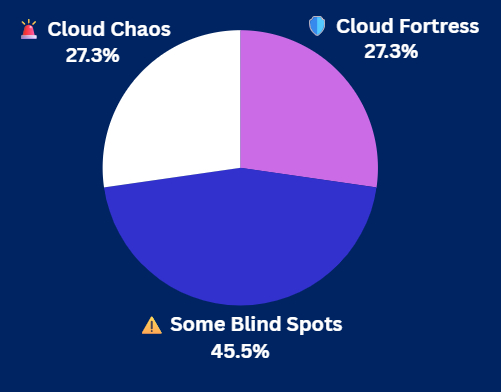
Cloud Security Reality Check: Could your defenses stop a breach? |
|
|
|
|
Ken Underhill is an award-winning cybersecurity professional, bestselling author, and seasoned IT professional. He holds a graduate degree in cybersecurity and information assurance from Western Governors University, bringing years of hands-on experience to the field. |
|
|
|
Cybersecurity Insider is a TechnologyAdvice business |
© 2026 TechnologyAdvice, LLC. All rights reserved. |
TechnologyAdvice, 3343 Perimeter Hill Dr., Suite 215, Nashville, TN 37211, USA. |
|
|
|
|