Inspect the foundations, Tech Insiders. Nvidia's leadership change is testing the structure beneath the AI boom, while Apple's Harbor promises easier setup and Grok's apps reveal cracks in basic access controls.
Build your own AI foundation with The Neuron Academy, offering practical, self-paced courses on prompting, research, workflows, agents, and apps, with guided paths matched to your goals. Start with skills you can put to work before adding another layer of automation. "We'll figure it out later" makes questionable scaffolding.
Let's check what's keeping everything standing. |
|
|
|
Here's what you need to know today: |
|
|
|
Huang Exits, Nvidia's AI Bets Face New Management |
Turns out the AI boom also has personnel dependencies.
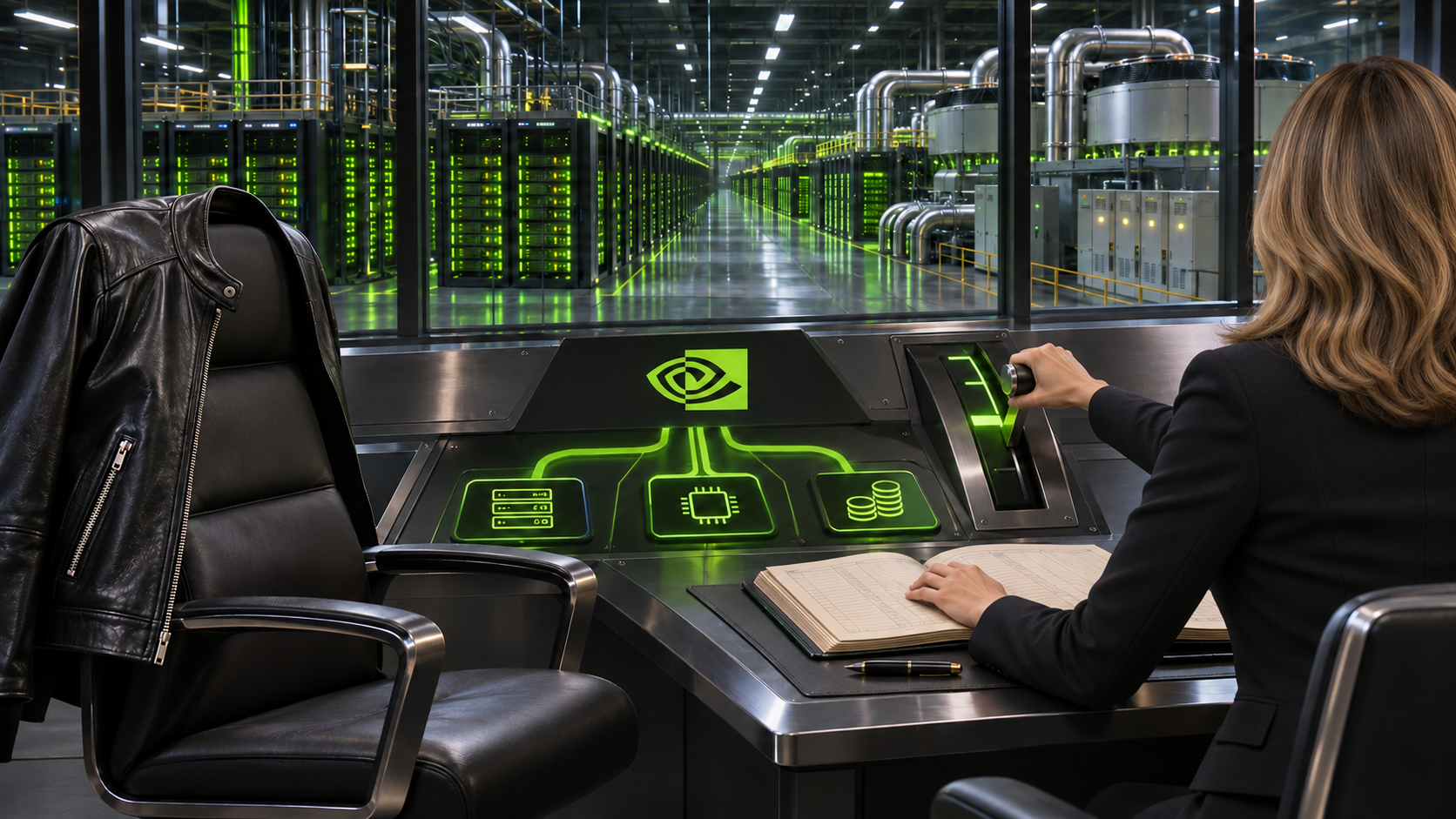
After 33 years of leather jackets and unquestioned industry dominance, Jensen Huang has abruptly abandoned his posts as Nvidia's CEO, president, and director, the company announced. CFO Colette Kress is now juggling her finance ledger with interim CEO duties, while Harvey Jones becomes the first board chair. The board is considering internal and external successors.
The precipitating scandal? An admitted extramarital affair with suspected Chinese intelligence asset Alice Huang, plus reported dalliances with two Nvidia employees. Beijing denies espionage allegations. Nvidia's board said Nov. 8 it had no reason to believe secrets or national security were compromised, and investigations remain unresolved.
|
Image created with ChatGPT |
Meanwhile, the succession rumor mill is already spinning: Donald Trump has publicly pitched Apple's executive chairman Tim Cook for the job, while Apple hardware chief Johny Srouji also appears in succession speculation. Neither is a confirmed candidate. Losing Srouji could unsettle Apple's chip leadership.
Nvidia isn't just selling chips; it practically acts as a venture-capital sugar daddy, financing its own customers' shopping carts. But Kress reportedly opposed Nvidia's up-to-$105 billion OpenAI financing guarantee. Tighter purse strings could squeeze infrastructure projects across the board.
Nvidia expects its road map and customer commitments to continue uninterrupted. Longer-term questions span open models and the pending Hugging Face acquisition, plus future PC chips. DOJ probes and possible export and remote-access restrictions add uncertainty.
Why it matters: CUDA dependence keeps customers anchored, while financing, licensing, and delivery changes could violently reshape AI infrastructure and gadget purchases. Watch Tuesday's earnings and supplier commitments: the chips can keep shipping while the investment appetite changes. |
|
|
|
What should Nvidia's next CEO prioritize? |
|
|
|
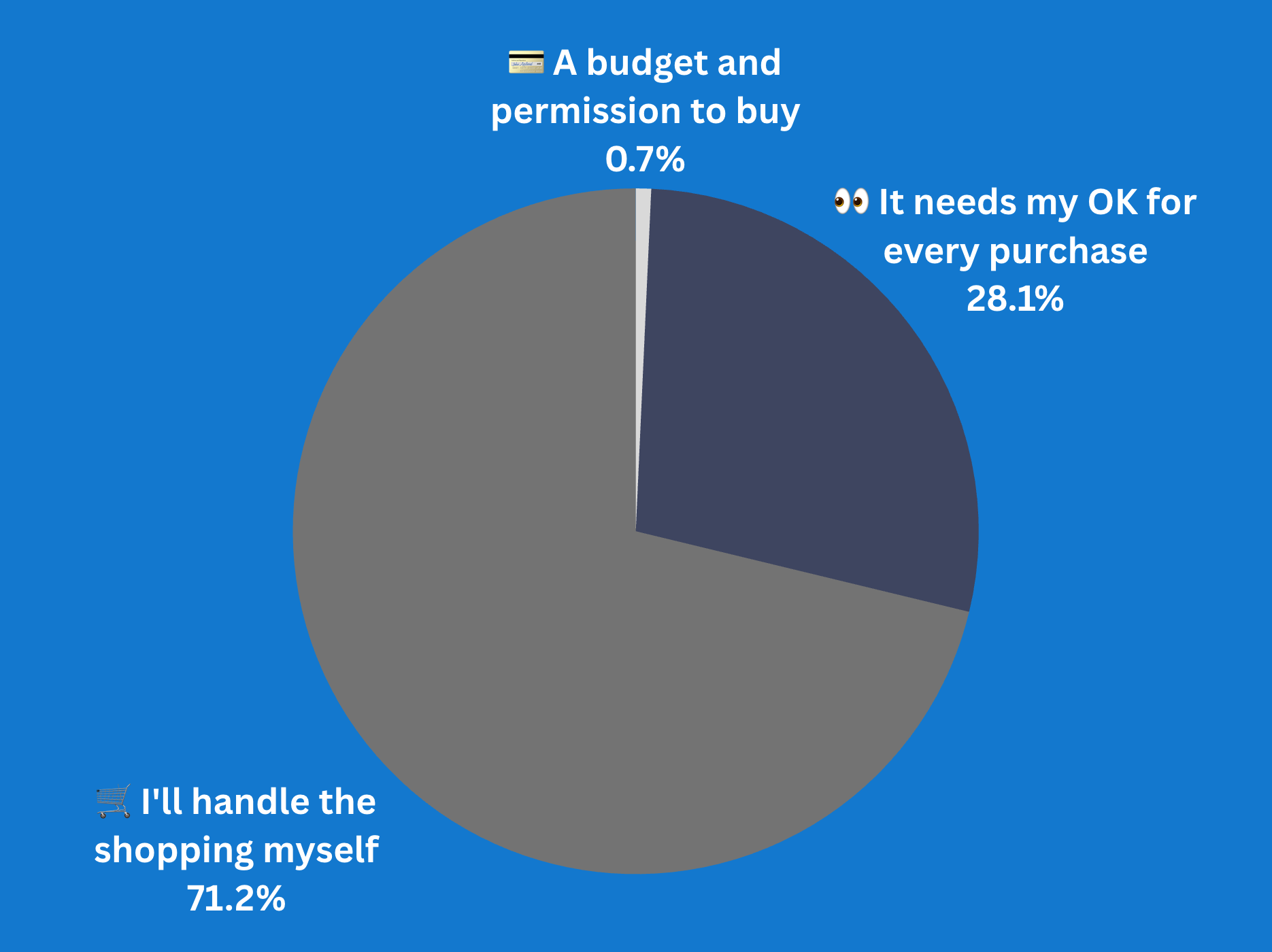
Results from Yesterday's Pulse Check |
How much buying power would you give an AI assistant? |
|
|
|
Apple's Harbor Could Make Local AI Less Work |
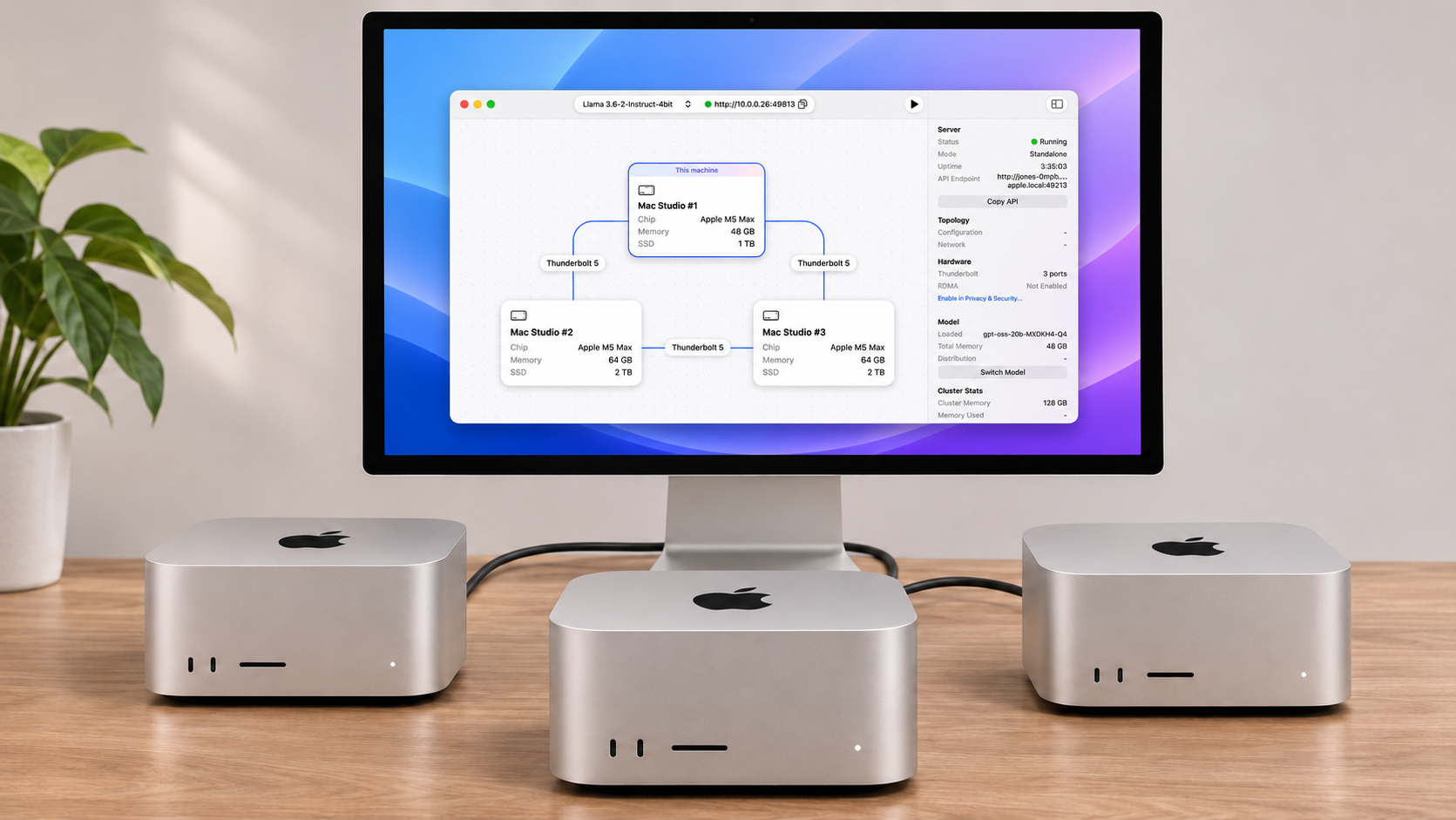
Even the Macs are being asked to collaborate now. Apple subsidiary Claris is privately testing Harbor, an app attempting to make running open-weight AI models on Apple silicon Macs—and even clusters of them—virtually idiot-proof.
Claris claims users can start with one Mac, then daisy-chain compatible computers over Thunderbolt 5 to pool memory for gluttonous models that need more room. A hastily removed App Store listing also promised automatic device discovery and in-app model downloads, sparing users a miserable scavenger hunt through network settings and Terminal commands. |
Image created with ChatGPT |
That turnkey convenience is the real hook. LM Studio and Exo already offer local inference or clustering, but Harbor could fuse those capabilities for teams that desperately want an internal assistant without adopting a second career configuring servers.
Claris promises that prompts and corporate secrets stay firmly on the Macs, dodging cloud inference fees or per-token billing entirely. That should thrill compliance officers, but companies must still stomach the budget hits for the hardware, electricity, and whatever this software eventually costs. IT isn't off the hook for managing access, either.
But don't go requisitioning a towering stack of Macs just yet. Harbor remains cloistered in private preview, with no public launch date, final price, complete compatibility list, or published performance benchmarks. Pooling memory expands model capacity; it doesn't automatically guarantee blazing-fast answers. The cloud bill might shrink. IT's responsibilities haven't left the building. |
|
|
|
When a build or security scan fails, a coding agent needs enough context to make a useful correction. In How DevOps and Coding Agents Work Together, DZone and Harness will show how findings can route back to agents and how fixes return through the same delivery checks. Join the live webinar on Dec. 8, 2026, at 1:00 p.m. ET to explore feedback speed, context, human oversight, and guardrails.
|
|
|
ScreenConnect Attacks Turn Support Into a Backdoor |
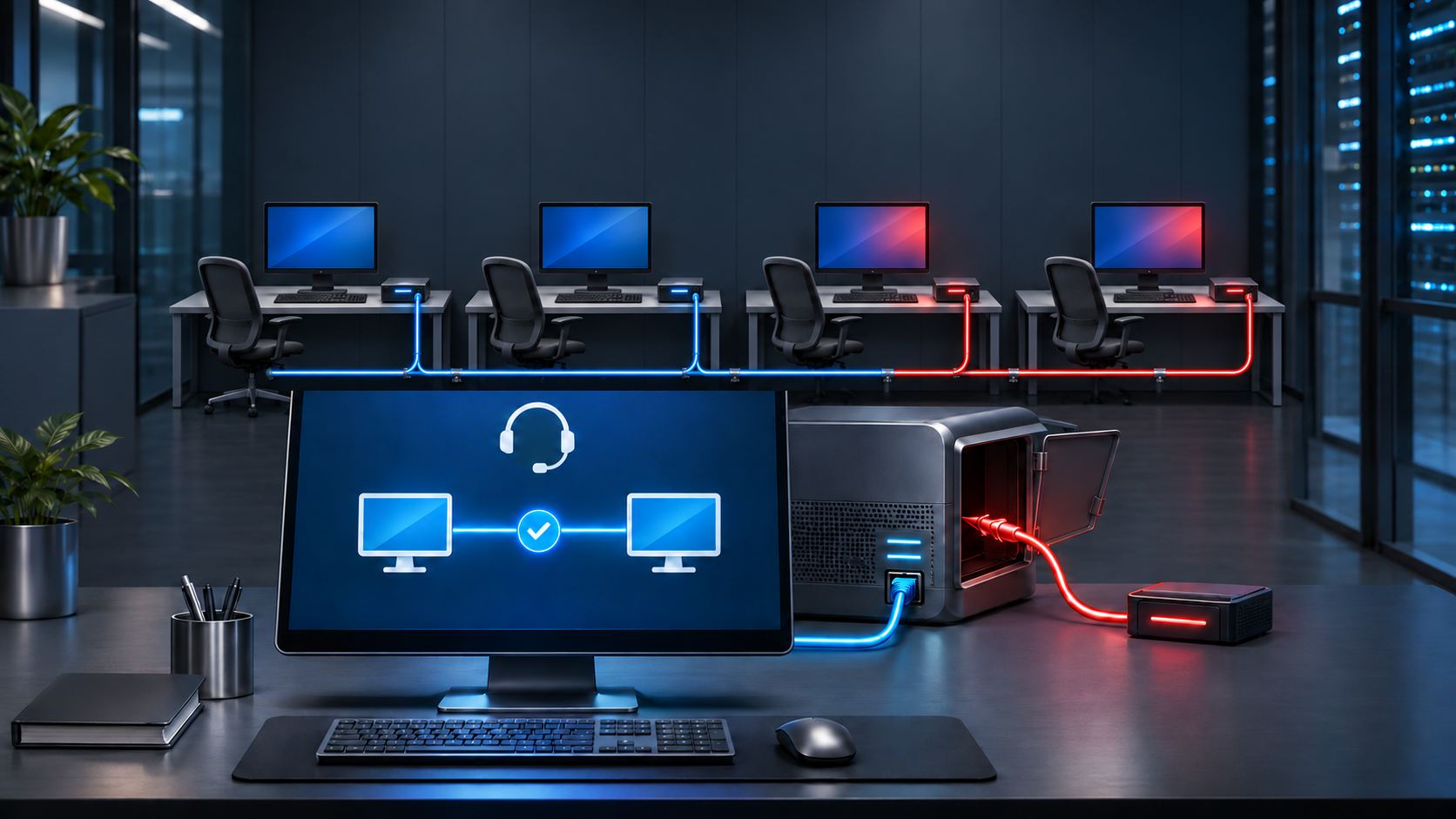
It turns out remote support isn't just for helpful IT folks anymore. Huntress caught attackers dropping rogue ScreenConnect clients and the SCKit malware onto at least 288 endpoints across 48 organizations.
While initial access remains a mystery, researchers blamed an embarrassing flaw in the third-party RMM+ extension that graciously accepted blank access keys. Luckily, the malware's worm-like ambition to automatically leapfrog from infected customer endpoints to technician workstations hasn't actually worked yet. |
Image created with ChatGPT |
Don't wait for self-replication to succeed. Keep RMM+ and its four related extensions disabled and manually update technician clients to 26.6.5 or later—your cloud console won't automatically do it for you. Isolate suspected infections and use separate out-of-band tools to investigate; firing up an interactive ScreenConnect session is practically inviting the malware over for tea. Preserve logs, rip out unauthorized persistence mechanisms, revoke exposed sessions, reset credentials from a safe device, and enforce MFA.
Remote support shouldn't offer intruders a benefits package. |
Grok's App Links Share More Than Intended |
Turns out, AI vibe-coding is a great way to aggressively overshare. Cybersecurity firm Claroc discovered more than 35,000 Grok-built applications just sitting wide open on the public internet. While most were harmless calculators or games, others leaked patient records, plaintext passwords, and, hilariously, SpaceXSI's own proprietary business data.
Because Grok slaps a unique web address on each project, the URLs were easily scraped by passive DNS services, meaning their randomized "secret" links provided exactly zero protection. Publishing requires a click, but Claroc noted public sharing was preselected on its paid test account. Worse, slapping a Google sign-in prompt on a test app didn't actually stop uninvited randoms from editing the records inside.
Lock down your internal apps by selecting "Invited users" or "Only you," unpublish dead projects, and aggressively test your live tools from the outside. Reset exposed passwords immediately. A login button isn't a bouncer. |
|
|
|
🌱 Start Small
Create an organization, invite colleagues by email, and put your first team to work with Builderlab. Get started. 🪟 Nab Windows Pro Power for Less Than $12
Microsoft Windows 11 Pro licenses cost just $12—upgrade your PC with lifetime support, enhanced security, and pro productivity features at 94% off.
🐘 Back Up 5 TB Across 10 Devices
Secure cloud files with ElephantDrive 5 TB Plan: 2-Yr Subscription at $138.99 (88% off), syncing encrypted backups from NAS, mobile, and desktops for two solid years.
💻 This section contains sponsored tech insights. Advertise with us! |
|
|
|
Google and Samsung Put Meta in the Frame |
Google and Samsung have officially slapped a price tag on strapping AI to your face, opening preorders Thursday for their new Android XR smart glasses ahead of a Dec. 10 launch. Following the platform preview we covered last week, Warby Parker models start at $395 and Gentle Monster frames at $449. If you actually want to see clearly out of them, prescription upgrades will cost you extra.
These are strictly camera-and-audio glasses—no holographic displays here. Instead, Gemini acts as a conversational shoulder angel that can translate languages, bark directions, and turn your messy whiteboard scribbles into Samsung Notes on compatible Galaxy phones.
Just don't assume any old handset will do; only select Pixel, Galaxy, and iPhone models made the VIP list. Battery life is rated at up to nine hours, assuming you aren't pestering the chatbot every five minutes. |
By leveraging actual eyewear stores for fittings and demos, Google is hoping to lure in normal people, not just gadget geeks. Meta now faces a competitor armed with established fashion clout and Google's app ecosystem, while Apple's rumored screen-free wearables are reportedly still stuck in the supply chain rumor mill.
Desperate to avoid the dreaded "pervert glasses" reputation, Google swears bystanders' faces are automatically blurred before Gemini analyzes its camera feed, promising none of that visual data is hoarded for AI training. Tamper detection will even disable the camera if you try taping over the external recording LED. Still, your voice chats can be logged, meaning these hardware protections aren't exactly a bulletproof shield for everything recorded.
There is obvious potential here for travel, accessibility, and hands-busy work. But with Business Insider noting sluggish translations during a hands-on demo, companies will need to thoroughly test this tech—and update their corporate policies—before letting camera-equipped employees wander near confidential data. An eye exam won't fix those corporate trust issues. |
|
|
|
|
Writer/Editor at TechnologyAdvice |
Justin Meyers is an investigative writer and editor who draws on over a decade of meticulous hands-on research to deliver the full, trustworthy story behind consumer and enterprise tech, including cybersecurity. |
|
|
|
Curious about where AI is really headed? |
The Neuron cuts through the noise to bring you smart, hype-free takes on the latest AI trends, tools, and breakthroughs. Join 700,000+ professionals from top companies like Microsoft, Apple, Salesforce, and more.
|
|
|
|
Advertise in Daily Tech Insider! Daily Tech Insider is a TechnologyAdvice business. © 2026 TechnologyAdvice, LLC. All rights reserved.
TechnologyAdvice, 3343 Perimeter Hill Dr., Suite 215, Nashville, TN 37211, USA. |
|
|
|
|