Not every cybersecurity headline starts with a hacker. |
Today, I’m looking at a couple of Zoom flaws and the Nvidia CEO resignation news. - Ken
Missed a newsletter? Read past issues here. |
|
|
|
Here’s what you need to know: |
|
|
|
Maersk Faces $5 Million Demand After Data Breach |
Shipping giant Maersk confirmed that attackers breached a legacy IT system inherited through an acquisition and stole data. Ransomware group WhiteArmor claims to have taken approximately 100GB of information and is demanding $5 million. |
My Take: This is a reminder that forgotten credentials and unsecured connections in inherited systems can leave critical infrastructure exposed long after an acquisition. Inventory inherited systems, audit active credentials, and test network segmentation to ensure legacy environments cannot expose critical infrastructure. |
Get Your Cybersecurity Expertise Noticed |
Some of the best cybersecurity lessons never make it into a playbook.
They come from the incident that didn’t go as planned. The security control that worked differently in production. The threat that forced your team to rethink its assumptions. If you’ve learned something other security professionals could use, eSecurity Planet gives you a platform to share it.
See what our contributors are already sharing, including insights from Lee Rossey, CTO at SimSpace, Mike Greene, CEO at Enzoic, and Mitchem Boles, Field CISO at Intezer.
Have expertise worth putting in front of the cybersecurity community? Become an eSecurity Planet contributor → Register Now | Nvidia CEO Resigns Amid Chinese Spy Allegations |
Nvidia co-founder Jensen Huang resigned as CEO amid scrutiny over his personal conduct and allegations involving a suspected Chinese intelligence operative. The company expects operations to continue uninterrupted, though executive security and AI infrastructure concerns remain. My Take: I think security teams need to look beyond technical controls to address executive security risks involving personal relationships and outside influence. Review executive information-sharing policies, limit access to sensitive communications, and provide targeted training on foreign intelligence threats. |
|
|
|
Zoom Patches Windows Privilege Escalation Flaws |
Two vulnerabilities in Zoom Workplace for Windows could allow unauthenticated attackers to escalate privileges through network access. Both flaws require user interaction and no exploitation has been reported. |
My Take: This is a reminder that patching priorities should reflect actual business risk, not just CVSS scores.
Apply the patch, verify successful deployment, and monitor endpoints for suspicious activity. |
Hackers Hit Railway, Rack Up $740K in AI Charges |
Attackers breached cloud hosting provider Railway, stealing customer API credentials and generating approximately $740,000 in fraudulent AI charges. Up to 100,000 workspaces faced potential exposure, and Railway has pledged to cover charges that AI providers refuse to refund. My Take: I think this reinforces the importance of treating AI API keys as privileged credentials, with clear ownership and controls to limit unauthorized usage. Rotate exposed API keys, review AI usage logs for suspicious activity, and configure spending alerts to catch unauthorized charges. |
|
|
|
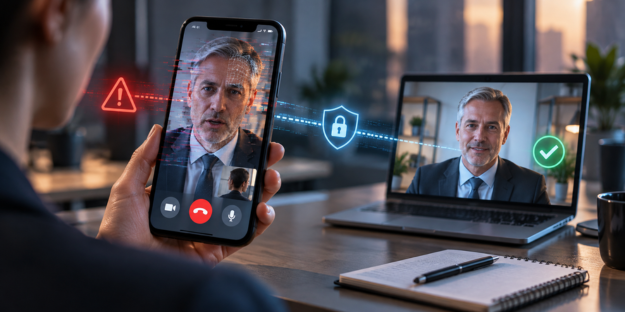
Can You Spot a Deepfake Attack? |
AI-generated deepfakes allow threat actors to impersonate trusted individuals, making stronger identity verification essential to preventing fraud and data theft. |
How to reduce deepfake risk: |
- Verify sensitive requests through trusted channels, require independent approvals, and enforce phishing-resistant MFA.
-
Use deepfake detection tools to identify suspicious audio or video and monitor executive impersonation attempts.
- Train employees to recognize deepfake scams and establish clear procedures for reporting suspected impersonation.
|
Security teams should track suspected deepfake incidents, verification failures, and response times to impersonation attempts. |
|
|
|
Security Tools You Can Use |
|
|
|
Executive Security Reality Check: Who's watching the top? |
|
|
|
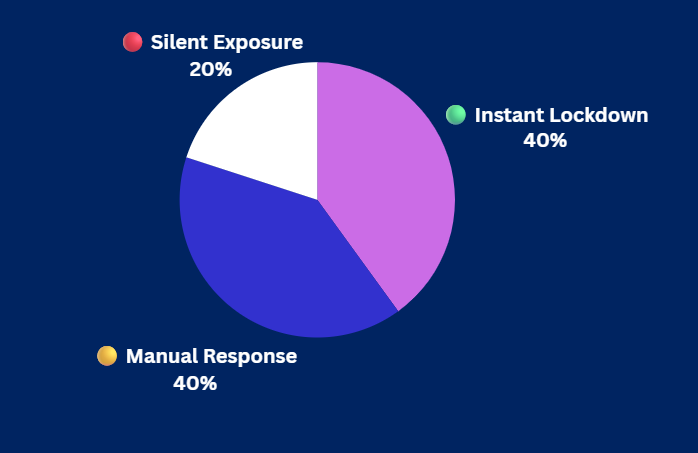
Yesterday's Pulse Check Results |
A developer accidentally publishes a live credential. What happens next? |
|
|
|
|
Ken Underhill is an award-winning cybersecurity professional, bestselling author, and seasoned IT professional. He holds a graduate degree in cybersecurity and information assurance from Western Governors University, bringing years of hands-on experience to the field. |
|
|
|
Cybersecurity Insider is a TechnologyAdvice business |
© 2026 TechnologyAdvice, LLC. All rights reserved. |
TechnologyAdvice, 3343 Perimeter Hill Dr., Suite 215, Nashville, TN 37211, USA. |
|
|
|
|