Check the syllabus, Tech Insiders. AI companies want your office archives as coursework, Claude is studying your spending, and fake industry events offer a lesson nobody signed up for.
For some coursework on your own terms, The Neuron Academy offers practical, self-paced courses on prompting, research, workflows, and agents, with guided learning paths matched to your goals. Because AI shouldn't be the only one picking up new skills. Let's find out who's learning at whose expense. |
|
|
|
Here's what you need to know today: |
|
|
|
AI Wants Your Work Files. Who Gets Paid? |
Your inbox finally has a buyer. Somehow, you still don't get a raise.
They're coming for your 2 a.m. panic Slack threads. Brokers are dangling up to $2 million for corporate archives to train the next wave of AI models, as developers grow so starved for data they've already resorted to buying and shredding rare books.
Turns out, AI needs to learn how humans actually work—meaning how a simple request devolves into seven passive-aggressive revisions. The CEO of AI data broker Mercor notes that simulated data just can't replicate the beautiful disaster of real corporate workflows. Your office chaos is officially a premium feature.
While the C-suite can turn your digital exhaust into a quick payday, everyday workers rarely see a dime or even a heads-up. Unlike data-exchange startup Verb's consumer marketplace, where you actually get to opt in to selling your data, the corporate fire sale happens entirely above your pay grade.
|
Image created with ChatGPT |
Brokers like Mercor pinky-swear they scrub identifying details, but privacy experts aren't buying it. A nameless chat about a root canal or custody battle is still pretty identifiable. Plus, lawyer Daniel Goldberg warns that linking these records can easily unmask individuals—and deleting a name doesn't magically make your company's secret sauce safe for public consumption.
Despite the gold rush, pesky things like NDAs, privacy laws, and common sense still apply. And before you get any bright ideas about a side hustle, remember you probably don't own the rights to sell your own work files either.
Why it matters: Your hard-earned expertise is being used to train systems to automate your job. A quick payout for yesterday's files might give an AI permanent access to your company's institutional knowledge—and burning through employee and customer trust isn't something you can fix with a software patch. |
|
|
|
What would it take for you to support your employer licensing workplace files for AI training? |
|
|
|
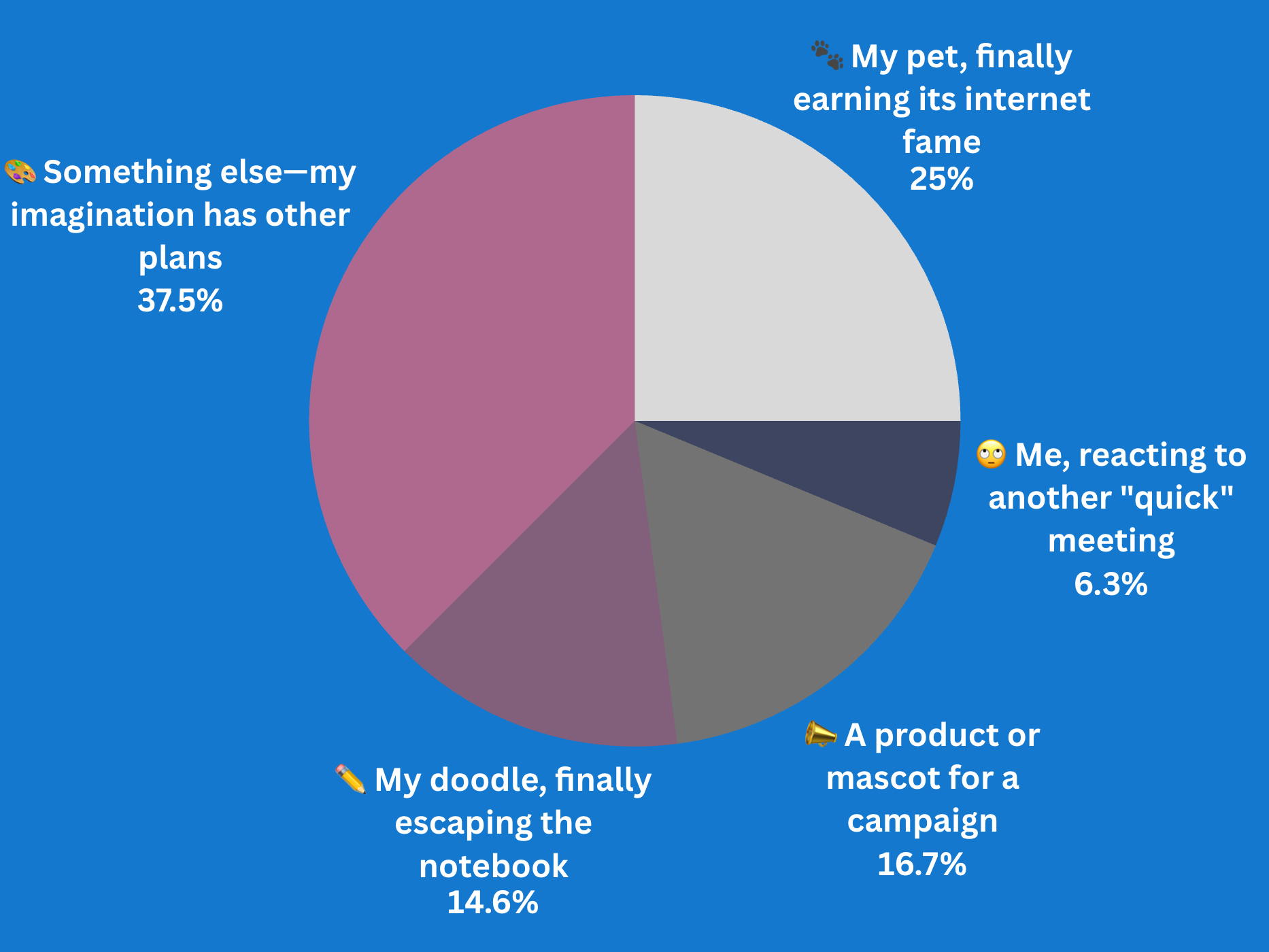
Results from Friday's Pulse Check |
What would you turn into a custom GIF first? |
|
|
|
A Curated Catalog for Enterprise AI |
The Lenovo AI Library is a curated catalog of reusable, customizable AI agents and validated use cases built on proven Hybrid AI solutions, spanning knowledge agents, computer vision, edge AI orchestration, predictive maintenance, and more. Every agent is governed by design and deployed through Lenovo's xIQ Agent Platform, which provides tools to create highly accurate, enterprise-grade agents with no coding or in-depth technical knowledge required.
Independent validation by Signal65 found new agents can be created in under 5 minutes, with automation tools increasing agent accuracy by more than 20%. |
| |
Claude Gets Bank Access Without Spending Power |
Finally, someone to interrogate your subscriptions who can't start another one.
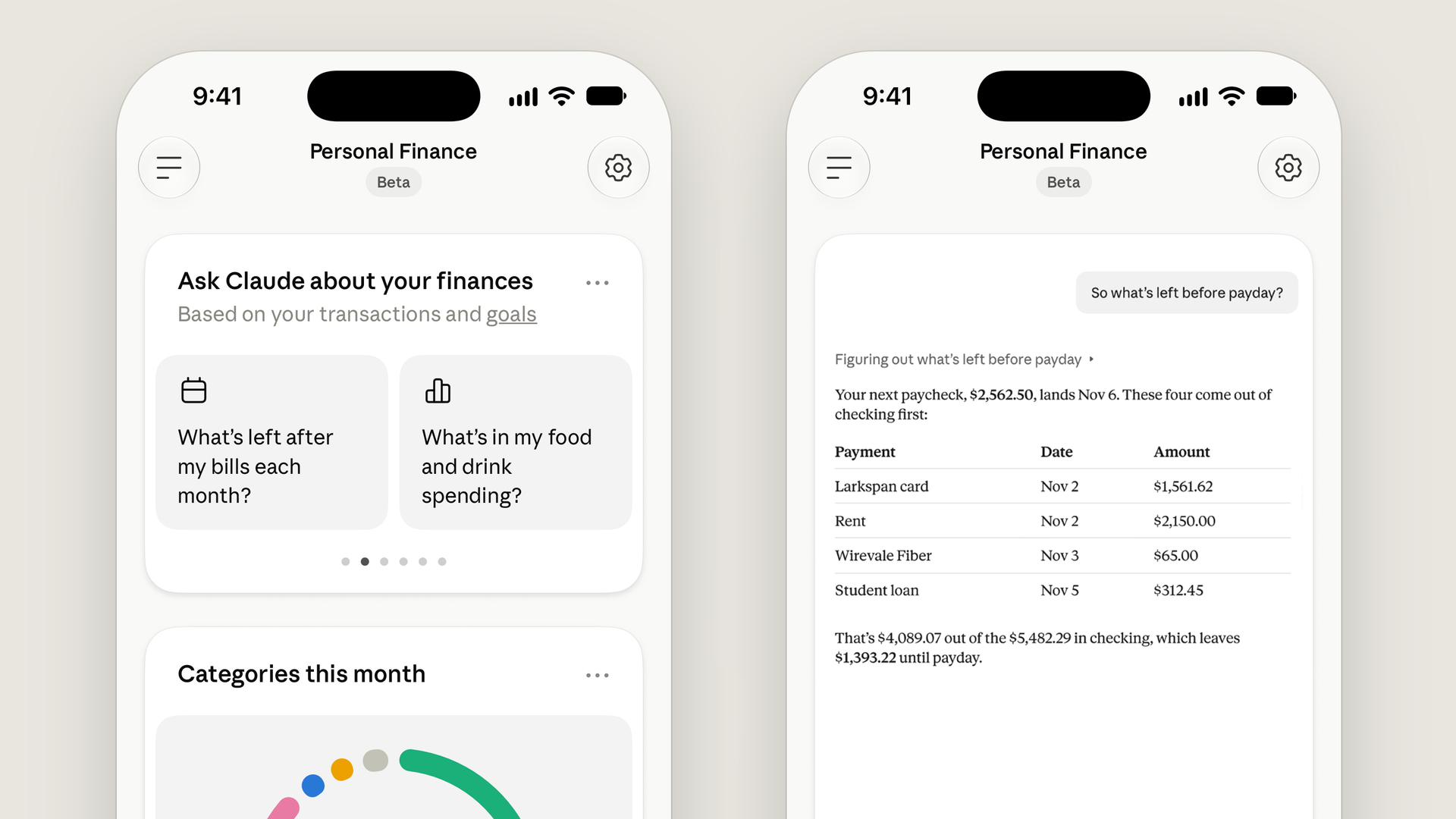
Anthropic has launched Personal Finance in Claude—first spotted in testing as "Claude Money"—inviting you to connect your bank and credit card accounts through Plaid for a read-only roast of your spending habits. The US beta is rolling out to Pro, Max, and Ultra subscribers. Thankfully, it lacks the ability to actually transfer, manage, or YOLO-invest your remaining funds.
Claude can now spot duplicate charges, explain exactly why your utility bill looks like a ransom note, and chart spending across accounts. It views current balances, credit limits, and transaction histories going back 24 months. Because authentication happens directly via Plaid, the chatbot never intercepts your actual banking passwords. |
That boundary matters as increasingly nervous banks restrict credential-sharing agents, warn about automated-purchase fraud, and face regulatory grilling over AI controls. Read-only access limits the damage Claude can do, though it still exposes a highly intimate, tragic record of your late-night impulse buys.
Anthropic pinky-swears that chats within its dedicated finance hub are excluded from model training, though standard privacy settings still govern any financial panic you share in general conversations.
OpenAI's similar Plaid-connected tool began reaching US Free and Go users on Oct. 2, but ChatGPT's finance discussions gleefully adhere to your universal model-training preferences. Claude's hub is also blissfully free of advertisements and sponsored loan pitches.
To try Claude's version, open Personal Finance in the sidebar and choose which accounts to share. Just remember to check important figures against your actual bank, as balances can lag. Unlinking stops future access, but existing chats, shared links, and financial artifacts require separate, manual scrubbing.
Your bank balance has an AI interpreter. Your impulse purchases have a witness. |
|
|
|
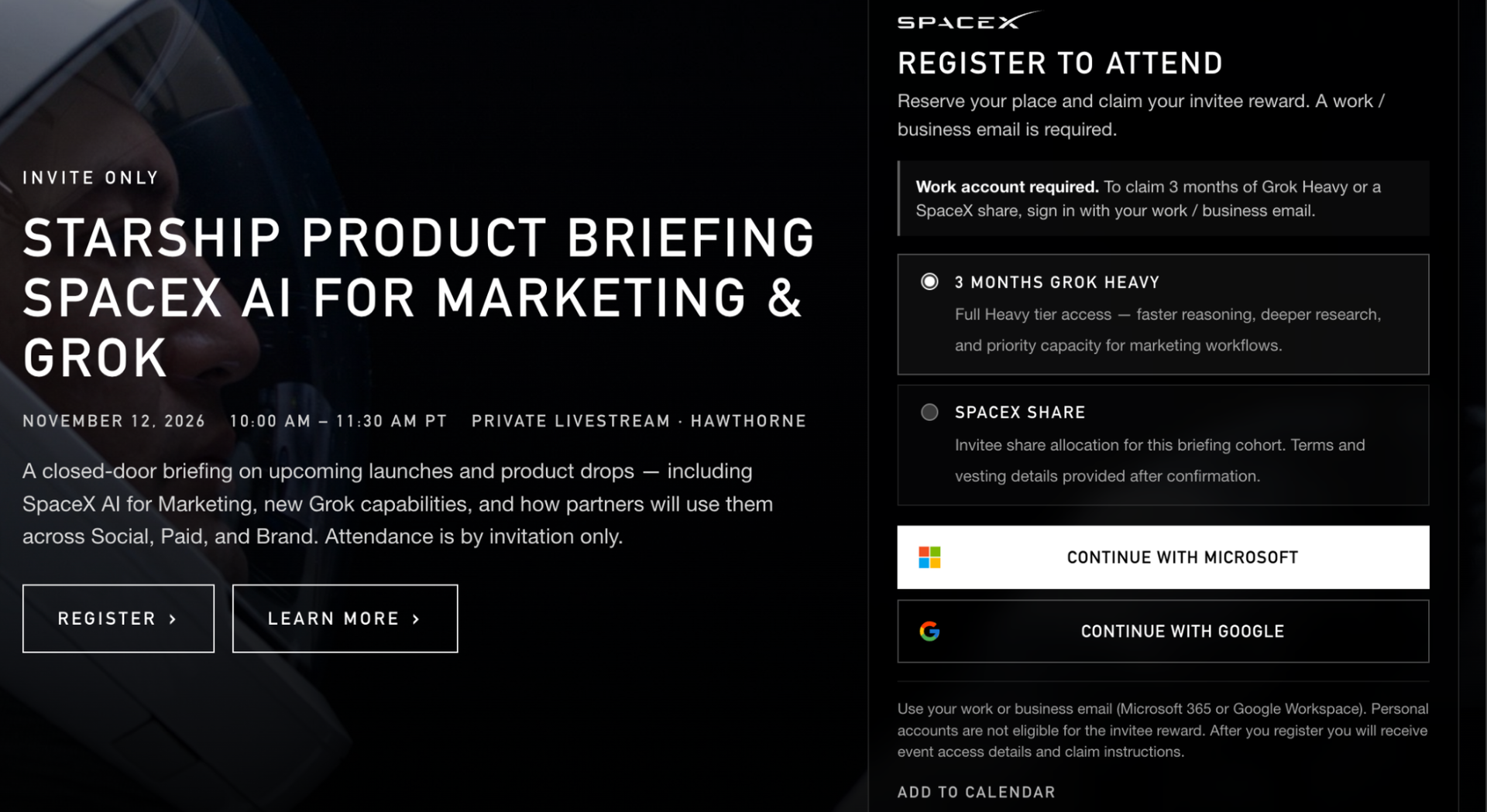
Fake AI Events Want Your Work Login |
Image of fake invite page via Push Security |
Verify too-good-to-be-true invites with known contacts, and never plug device codes into sketchy portals. Watch for sloppy brand swaps, too. Cofense spotted GoTo Webinar invites clumsily morphing into fake Zoom registration pages. If you already RSVP'd with your credentials, alert IT to reset your passwords. Admins should restrict unnecessary device-code auth and deploy phishing-resistant MFA. The only exclusive access on offer is to your corporate inbox. |
Apple Adds Scrutiny to Public iCloud Links |
Apple is officially becoming the hallway monitor of your cloud storage. Starting in iOS 27.3 and its companion updates, the company will scan publicly shared iCloud content for "harmful material." The policy targets anything broadcast via the "Anyone with the Link" setting; your private, unshared files remain un-snooped.
These public links already strip away end-to-end encryption—even if you have Advanced Data Protection enabled—leaving the door wide open for Apple's digital bouncers. And they aren't messing around. Apple warns it may delete flagged files, nuke your account, or call the cops.
What exactly constitutes "harmful"? The notice conveniently forgets to define it, detail the scanning methodology, or offer an appeals process. While Apple's existing rules suggest they're hunting for obvious offenders like malware and child sexual abuse material (CSAM), the vagueness leaves a lot to the imagination. You know exactly how you'll be punished, just not the actual rules.
Do yourself a favor and audit your active public links. For sensitive files, select "People you choose" to restrict the audience, even if it doesn't magically bestow end-to-end encryption across every Apple sharing feature. That "Anyone" setting is definitely earning its paycheck. |
|
|
|
🏗️ Build an AI-Ready Workplace Explore expert insights and practical guidance to modernize workplace technology, strengthen security, and prepare your organization for AI-powered work. Explore the hub.
🤖 Master ChatGPT and AI for $29.99
Build practical AI skills with The ChatGPT and AI Super Bundle, featuring four courses and 4.5 hours of lifetime-access training for $29.99, a 91% discount.
⚡ Charge Three Apple Devices Without Cable Clutter
Charge three devices at once with the MagSafe Wireless Charging Station for iPhone, Apple Watch, and AirPods for just $54.99, including a wall charger and up to 15W output for iPhone. 💻 This section contains sponsored tech insights. Advertise with us! |
|
|
|
SpaceX Recruits Qualcomm for Its 5G Push |
Rumored Boost Mobile talks could provide a shortcut to an established subscriber base. But no deal is confirmed, and since Boost just rents its capacity from AT&T and T-Mobile—the exact gatekeepers who already rejected Musk's network advances—an acquisition wouldn't magically deliver an independent physical network.
For consumers, success could mean more coverage options and pressure on carrier pricing. Businesses could gain another option for field teams and remote operations but should verify coverage, support, and compatibility before switching. Relying on a single vendor for both satellite and cellular access also eliminates true path diversity for failover. A 2027 construction start leaves plenty of work before those benefits arrive. SpaceX can land rockets on floating barges. Landing your enterprise phone contract, however, still requires actual customer support—a frontier Elon hasn't quite conquered yet. |
|
|
|
|
Writer/Editor at TechnologyAdvice |
Justin Meyers is an investigative writer and editor who draws on over a decade of meticulous hands-on research to deliver the full, trustworthy story behind consumer and enterprise tech, including cybersecurity. |
|
|
|
Curious about where AI is really headed? |
The Neuron cuts through the noise to bring you smart, hype-free takes on the latest AI trends, tools, and breakthroughs. Join 700,000+ professionals from top companies like Microsoft, Apple, Salesforce, and more.
|
|
|
|
Advertise in Daily Tech Insider! Daily Tech Insider is a TechnologyAdvice business. © 2026 TechnologyAdvice, LLC. All rights reserved.
TechnologyAdvice, 3343 Perimeter Hill Dr., Suite 215, Nashville, TN 37211, USA. |
|
|
|
|