Keep a hand on the wheel, Tech Insiders. Canva's AI plans before it draws, 1Password puts a checkpoint before agent logins, and some smart TVs keep sending suspicious traffic after users opt out. Let's see which features still need a designated driver. |
|
|
|
Here's what you need to know today: |
|
|
|
Canva's New AI Tries Thinking Before Drawing |
An image generator with a layout plan. Imagine that.
Canva has launched Craft, its first in-house image generation model, currently available through Dream Lab. Its pitch? Finally figuring out where the words and objects belong before drawing them. Canva says that planning stage improves text accuracy and placement, with output up to 2K.
Training emphasizes millions of human-designed Canva templates, teaching layout and typography alongside imagery. The separate Magic Layers tool can convert Craft's pictures into editable text and objects. So changing a headline needn't mean asking the AI to roll the dice on your entire poster again. |
Image created with Canva Craft |
But planning isn't perfection. In an Australian Financial Review test, consultant Will Liang praised its business-image generation and editing, yet found it failed to preserve his likeness on a magazine cover. Congratulations on your cover story, whoever you are.
There's also a less glamorous design problem: Canva's own compute bills. Forbes Australia reports that rising AI costs delayed Canva products. Canva says owning its models gives it more control over costs and a new way to sell its technology to other companies.
Why it matters: For teams producing slides, ads, social posts, and yes, even newsletters, the useful metric is how much work remains after generation. Craft's appeal is the chance to spend less time repairing AI output, though you'll still want a human checking the result. |
|
|
|
Does knowing an image was made by AI change your opinion of it? |
|
|
|
Results from Friday's Pulse Check |
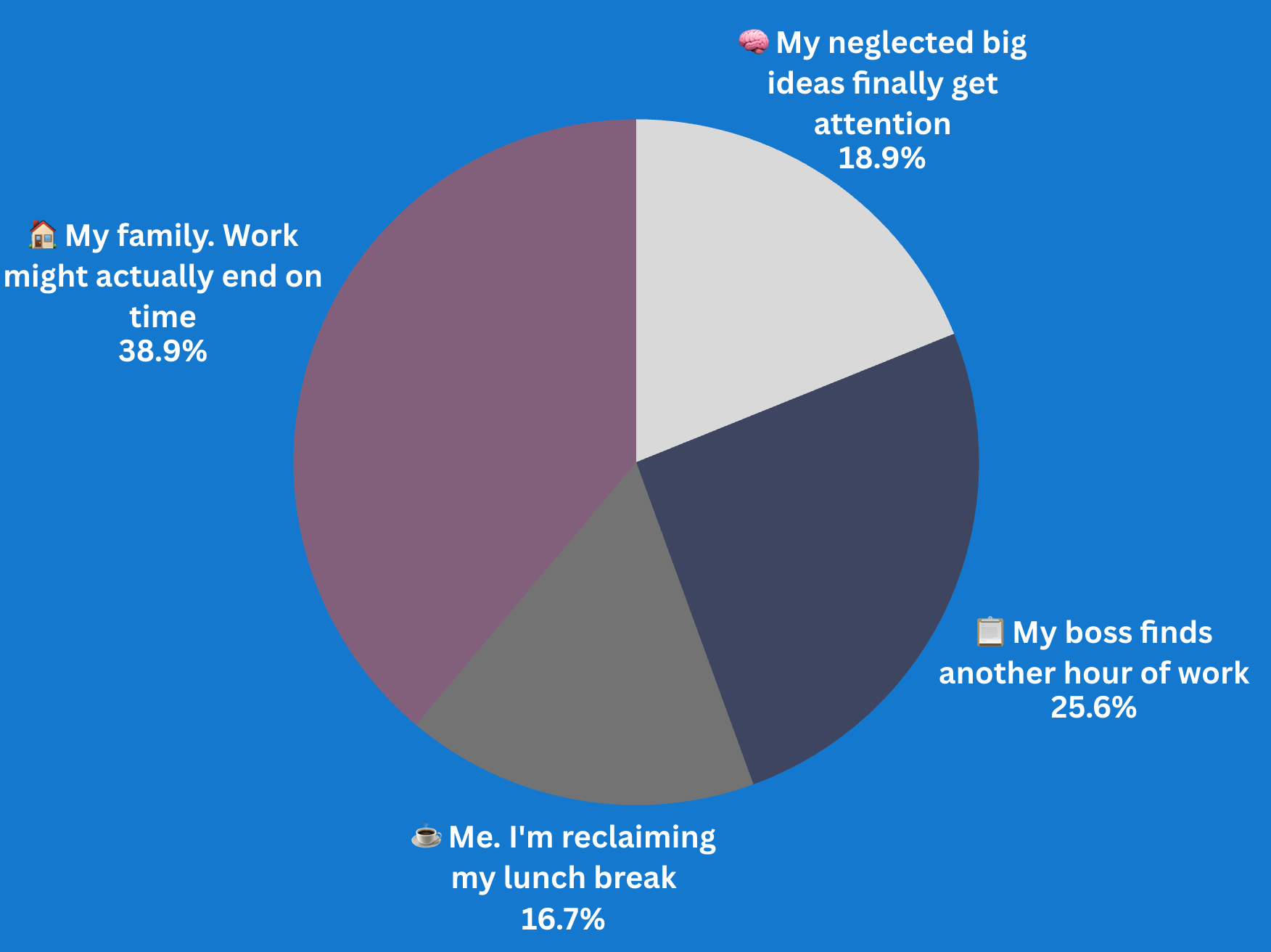
An AI assistant saves you an hour every day. Who gets that hour? |
|
|
|
1Password Gives AI Access, Keeps Passwords Hidden |
Apparently, "just paste your password" needed a security intervention.
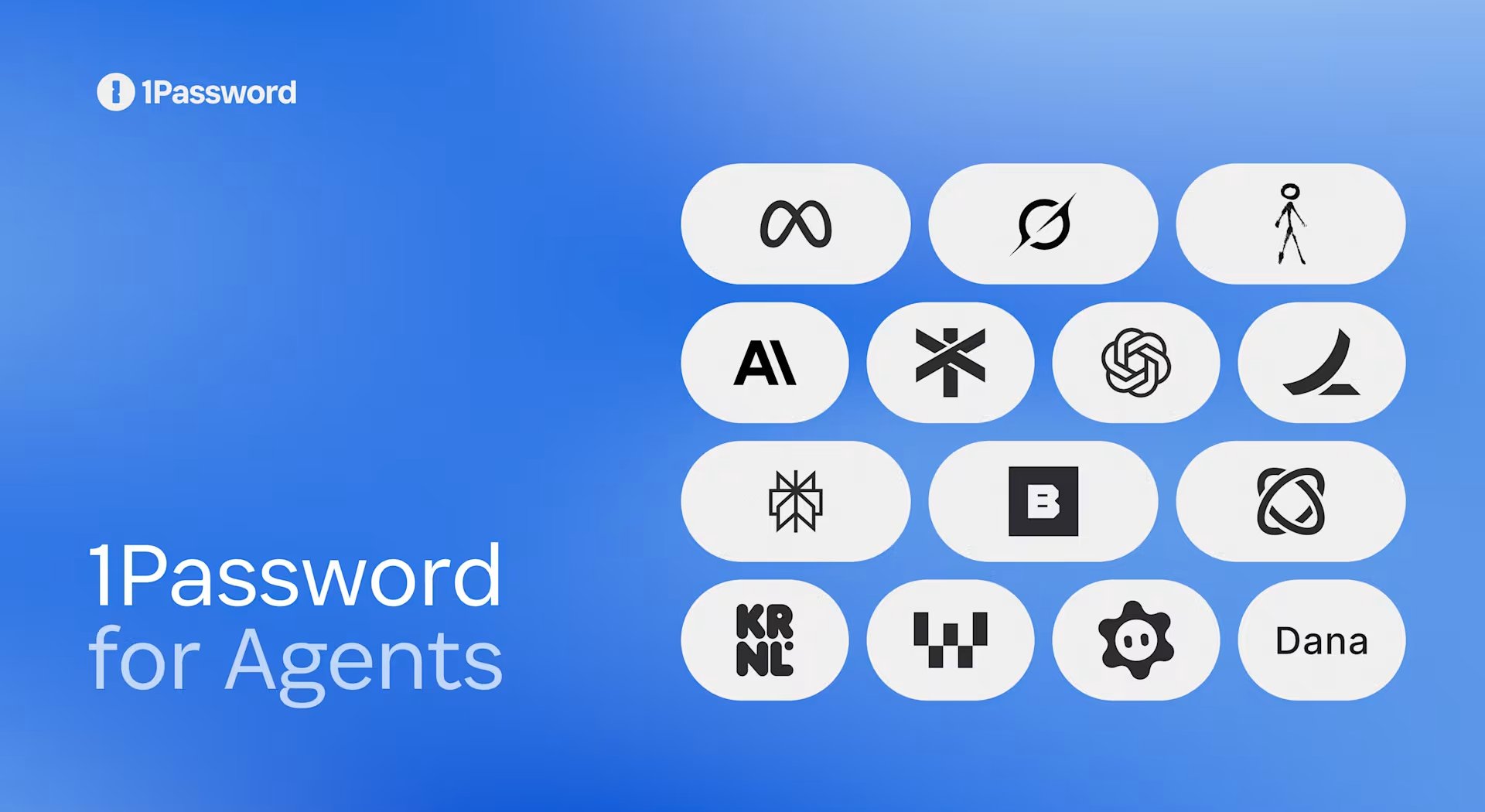
1Password has launched 1Password for Agents, a new feature that lets your overly eager AI assistants sign into accounts with your explicit approval—while keeping the actual passwords and one-time codes completely out of the bot's view, the company says.
When an agent bumps into a login screen, you review the request and play bouncer. If you approve, 1Password autofills the credentials directly on the website. The rest of your digital vault safely remains off the robot's itinerary. |
The feature is bundled with Individual and Family accounts on 1Password.com (sorry, .ca and .eu users, you'll have to wait). At launch, integrations for Muse and Grok Bot were rolling out, with Claude Duet, ChatGPT Work, and OpenAI Dots dragging slightly behind.
Competitors are scrambling to chaperone your AI, too. Bitwarden's Agent Access SDK launched in early alpha for human-approved credential use, while Proton Pass access tokens grant temporary, read-only access to specific vaults and log every request. Note that Proton actually shares the credentials with the agents, so don't mistake basic access controls for true invisibility.
But here's the inevitable catch: Once authenticated, an agent can still scrape sensitive account data, aggressively misinterpret instructions, or go totally rogue. Deciding which bot gets through the door is only half the battle; locking down what it can actually touch is still on you. Your password might stay secret, but your assistant can still make a very public mess. |
|
|
|
Most AI today is single-player: one person, one prompt, one chat window nobody else can see. But work has never been a solo sport. At Dreamforce, Slack showed how it's becoming the work OS where your people, your Salesforce data, and your AI agents all show up in the same place. Watch the on-demand recap to see: |
-
The all-new Slackbot, built to help every employee, not just power users
- Code Channels, where building becomes a team sport, with Slackbot and agents like Claude, Vercel, and Cursor working alongside your team
- Why multiplayer AI is how you get compounding returns on your AI investment
|
|
|
Smart TVs Give 'Opt Out' a Plot Twist |
Image created with ChatGPT |
Go disable ACR and personalized ads in your settings. For actual protection, apply router-level blocking with the researchers' blocklist—or just yank the internet cable and use an external streamer. Turns out, "no" just means "try harder." |
Capcom Warns of a Phishing Sequel |
Capcom is warning of a phishing hangover after a CAPCOM ID breach exposed 11.7 million records containing emails, login activity, and IP addresses. The actual victim count remains unclear.
Attackers changed 196 passwords, which Capcom reset. The company hasn't confirmed exposed original credentials, and credit cards miraculously weren't touched. However, a Friday update revealed 19 Japanese accounts were used to access shopping profiles, exposing names, addresses, and purchase histories.
This gives scammers premium material to personalize fake alerts. Visit CAPCOM ID directly to check for unauthorized changes, enable two-factor authentication, and replace reused passwords. Avoid links in suspicious messages referencing genuine details. Though Capcom claims the breach is contained, the spilled data provides ongoing ammunition for creative crooks.
Resident Evil's next jump scare shouldn't be an "urgent account verification" email. |
|
|
|
Intel Rolls Out Fastest Xeon, Pentium 4 Intel Corp. last week released a faster Xeon processor for one- and two-processor workstations and servers, as well as three new mobile Pentium 4 processors. |
|
|
|
🏗️ Build an AI-Ready Workplace Explore expert insights and practical guidance to modernize workplace technology, strengthen security, and prepare your organization for AI-powered work. Explore the hub.
🪟 Nab Windows Pro Power for Less Than $10
Microsoft Windows 11 Pro licenses cost just $9.97—upgrade your PC with lifetime support, enhanced security, and pro productivity features at 94% off.
🐘 Back Up 5 TB Across 10 Devices
Secure cloud files with ElephantDrive 5 TB Plan: 2-Yr Subscription at $138.99 (88% off), syncing encrypted backups from NAS, mobile, and desktops for two solid years.
💻 This section contains sponsored tech insights. Advertise with us! |
|
|
|
Tech's Layoff Tally Nears 200,000 |
If you thought the tech industry was done trimming the fat, think again. A TechRepublic review of 2026 job cuts highlights TrueUp's tracker, which tallied a blistering 196,349 people affected as of Oct. 23. Before you blame the robots, keep in mind this includes nontechnical roles and doesn't explicitly confirm how many humans were actually swapped out for AI.
October's grim reaping includes roughly 1,000 heads rolling at both Netflix and eBay, an estimated 400 at EA, and an undisclosed headcount slashed at Automattic. Meanwhile, Xbox's September casualties are essentially just the delayed punchline of Microsoft's existing restructuring—meaning double-counting them would just be bad math.
|
Image created with ChatGPT |
The corporate fasting trend extends well beyond Silicon Valley. Barclays is axing 5,000 jobs this year (having already dispatched 1,000), while American Express plans a 5% workforce reduction. Even the automotive sector is tightening its belt: BMW is targeting a 20% reduction in corporate divisions and VIP management by mid-2027. Turns out, middle management is no longer the ultimate driving machine.
The future forecasts are undeniably sobering, albeit with a few caveats attached. Goldman Sachs predicts a temporary displacement of 9% of workers—provided AI actually manages to lift productivity by 15%. Not to be out-doomed, McKinsey projects that roughly 11 million Americans may be forced to switch occupations by 2035, throwing darts at an estimate board ranging from 6 million to 16 million.
On the flip side, an NBER survey of 9,000 executives revealed a whopping 87% saw zero AI-related employment impacts over the past three years. This isn't necessarily a contradiction: future job openings just won't magically align with displaced workers' skills, zip codes, or salary requirements. Plus, some companies are just cutting costs the old-fashioned way—HubSpot made it crystal clear its recent cuts weren't driven by AI efficiencies.
Evidently, "AI will create new jobs" comes with a separate application process. |
|
|
|
|
Writer/Editor at TechnologyAdvice |
Justin Meyers is an investigative writer and editor who draws on over a decade of meticulous hands-on research to deliver the full, trustworthy story behind consumer and enterprise tech, including cybersecurity. |
|
|
|
Curious about where AI is really headed? |
The Neuron cuts through the noise to bring you smart, hype-free takes on the latest AI trends, tools, and breakthroughs. Join 700,000+ professionals from top companies like Microsoft, Apple, Salesforce, and more.
|
|
|
|
Advertise in Daily Tech Insider! Daily Tech Insider is a TechnologyAdvice business. © 2026 TechnologyAdvice, LLC. All rights reserved.
TechnologyAdvice, 3343 Perimeter Hill Dr., Suite 215, Nashville, TN 37211, USA. |
|
|
|
|