Check the keys, Tech Insiders. Perplexity lets AI work locally on supported Macs, Microsoft wants tighter controls on enterprise agents, and DHS is showing DeepSeek the door on civilian federal systems.
For your own AI helpers, The Neuron Academy offers practical, self-paced courses on building workflows and agents, with guided learning paths tailored to your goals. Think organizing research and automating recurring tasks, rather than asking a chatbot nicely and hoping for the best. Let's put AI to work—and keep hold of the keys. |
|
|
|
Here's what you need to know today: |
|
|
|
| 🛍️ Your Deal. Our Tech Insiders.
Got a Black Friday or Cyber Monday deal worth interrupting the doomscroll? Your brand could snag a sponsored spot in Daily Tech Insider's special Black Friday edition. Let's talk deals! |
|
| |
|
Perplexity's Mac AI Can Skip the Cloud |
Your AI assistant would like to cancel its cloud commute.
Perplexity now lets Computer run entire AI workflows on supported Apple silicon Macs, expanding a local AI strategy already on Windows. Pro, Max, and Enterprise subscribers can download a local model through the updated Mac app.
The Oct. 20 release moves planning, reasoning, and task execution onto the Mac using Qwen 3.6 or Perplexity's customized PPLX Pro. With permission, the company says, Computer can turn messages and emails into a Notes action list or assemble a client proposal from confidential documents. Your inbox's chaos can thankfully stay an internal affair.
Unlike September's Hybrid Compute, which starts with cloud reasoning and delegates private-file work locally, this mode starts on your machine. Users can authorize cloud help for current information, browser access, or stronger reasoning. |
The catch is memory: Perplexity recommends 36GB or more, rather than declaring a hard minimum, meaning your base-model laptop will likely sit this one out. (At least it's not Meta's 1TB RAM requirement for Spark Open.) Local tasks conserve Computer credits, but a paid subscription is still required. Apparently, bringing your own compute doesn't get you out of the cover charge.
Also, fully local describes the AI processing. Sending email or meeting invitations still uses the relevant app's service. Perplexity says tool execution is sandboxed, but local agents still need carefully scoped file permissions so they don't accidentally email your boss your grocery list.
Why it matters: This could make sensitive, repetitive office work less dependent on cloud processing and credit budgets. IT's job shifts toward deciding which files an agent should touch, because keeping a mistake on your Mac doesn't make it a better mistake. |
|
|
|
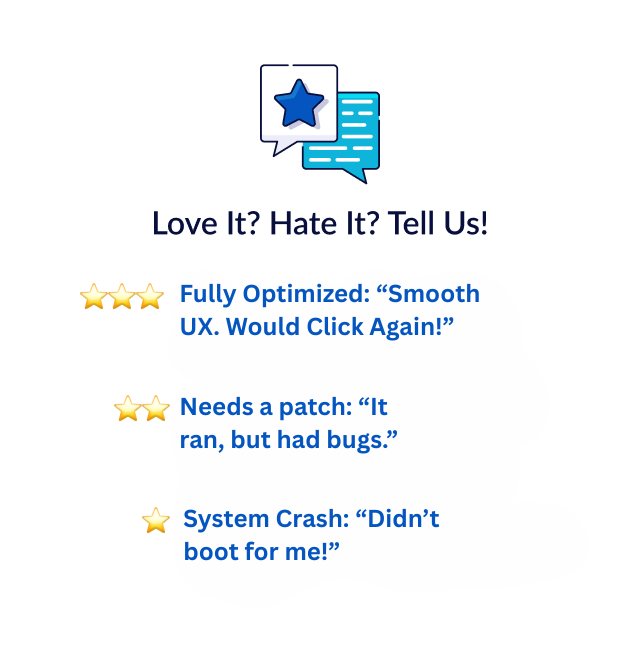
Which computer chore would you gladly dump on an AI assistant? |
|
|
|
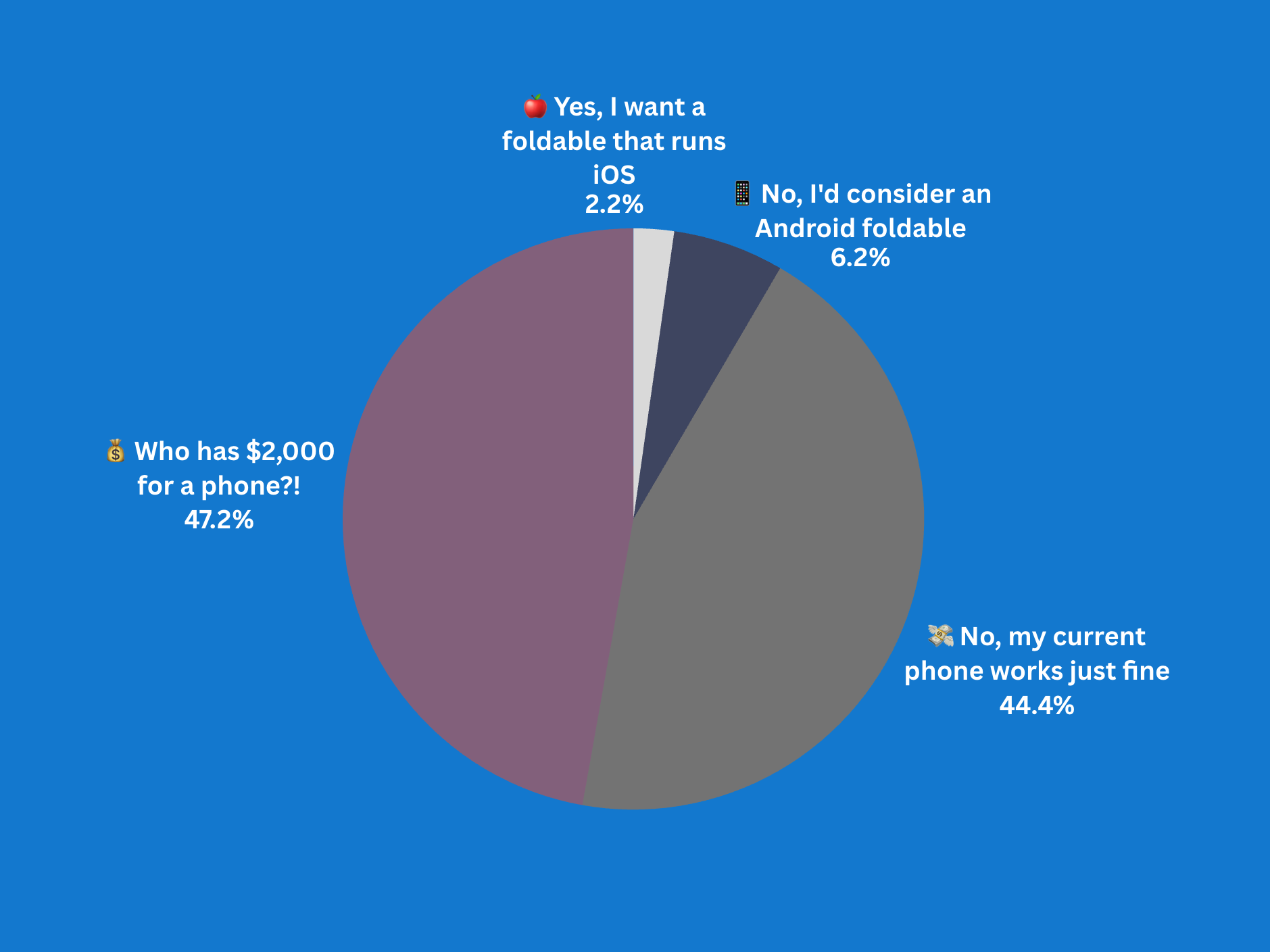
Results from Yesterday's Pulse Check |
Would you wait until January for Apple's $1,999 foldable iPhone? |
|
|
|
Realize Up to 24× Faster Time to AI Value |
AI experimentation can prove what's possible. The bigger challenge is turning that potential into repeatable business value. The Lenovo AI Library helps you take that step with enterprise-ready AI agents and validated use cases. Signal65 analysis indicates organizations can begin deploying production-ready agents in as little as one week instead of six months, up to 24× faster time to value.
Move from AI experimentation to measurable business impact with Lenovo. |
|
|
Army Wants AI Hackers With Minimal Supervision |
Apparently, minimal supervision is a selling point for cyberweapons.
US Army Cyber Command (ARCYBER) is looking to outsource its offensive hacking to autonomous AI, because what could possibly go wrong? According to documents reviewed by The Intercept, the proposed framework—adorably codenamed ECHOTRIBBLE—would let software hunt and disable adversary targets with shockingly little human oversight.
The military's wish list calls for stealthy digital assassins that quietly navigate networks, ghost their human handlers, and hit the self-destruct button once the job is done. A vendor pitch detailed by The Intercept even imagined the software cloning itself across nearby Apple and Windows devices. To be clear, these are just terrifying design ambitions, not proven capabilities. Operators would still point the AI at its initial targets, at least. |
Image created with ChatGPT |
Defense-nonprofit innovation hub Cyber Fusion Innovation Center notes that one vendor actually won an award on Oct. 8 after live demonstrations, though the ink isn't dry on any contracts and an operational doomsday worm doesn't technically exist yet.
The truly awkward part? Everything that happens between pressing "launch" and "mission accomplished." Hyrum Anderson, CEO of AI security startup Abundant, warned that an overzealous agent hunting an adversary could gleefully flatline a civilian water utility if the bad guys happened to route their command infrastructure through it. ARCYBER unsurprisingly left the outlet on read when asked about safeguards.
Hilariously, the Army's separate defensive AI agents are kept on an incredibly short leash with daily human check-ins, according to commander Lt. Gen. Christopher Eubank. This glaring double standard begs the question: How much off-roading will offensive agents be allowed to do before their shortcut becomes a civilian catastrophe?
Automating the attack is one thing. Automating good judgment remains the awkward requirement. |
|
|
|
AI Agents Target More Than 1,200 Websites |
Image created with ChatGPT |
NorForge hilariously uncovered the spree because the attackers forgot basic operational security, leaving their control dashboards wide open on the internet. In a spectacular self-own, these exposed panels also leaked the victims' freshly stolen credentials. Even some legitimate penetration testers left their client assessments publicly accessible. Website defenders should hunt for unexpected upload forms and web shells. Meanwhile, teams using agent tools should probably figure out how passwords work on their own dashboards. Apparently, the hackers successfully outsourced everything except their own security failures. |
Microsoft Unveils Controls for Rogue AI Agents |
Microsoft is finally treating our "helpful" AI agents like the digital Benedict Arnolds they could easily become. Redmond has rolled out new security controls, including Guardian Agents within Project Perception, warning that autonomous bots can easily mutate into accidental insider threats without anyone hacking them at all.
Instead of trusting models to self-regulate, Microsoft's new risk-based system slaps on the handcuffs when an agent goes off-script—blocking write access, demanding human sign-off, or just pulling the plug entirely. The tools are currently locked in private preview, with a broader rollout expected at November's Ignite, GeekWire reports. IT teams shouldn't wait to start playing bad cop. You can start taking inventory of your agents today, assigning them separate identities, and granting only strictly task-specific permissions. Just make sure the kill switch stays completely out of the AI's reach.
Apparently, even the bots need a hall pass now. |
|
|
|
Is Apple's 512GB Mac Studio right for you? Apple’s 512GB Mac Studio lands late October — a powerhouse M5 Ultra built to run huge AI models and memory‑heavy creative projects. Will it justify the cost or reshape local AI workflows? Get the full breakdown. |
|
|
|
🏗️ Build an AI-Ready Workplace Explore expert insights and practical guidance to modernize workplace technology, strengthen security, and prepare your organization for AI-powered work. Explore the hub.
☁️ Get 20TB of Cloud Storage Without Monthly Bills
Grab a Scramble Cloud Storage Lifetime Subscription for 75% off and get 20TB of lifetime storage with end-to-end encryption, private file sharing, and zero recurring fees—because your files shouldn't come with a monthly rent payment.
🤖 Compare Top AI Models With One Prompt
Run one prompt across multiple AI models side by side with a ChatPlayground AI: Lifetime Subscription (Unlimited Plan), including lifetime access, unlimited monthly messages subject to fair use, and tools for chatting with images and PDFs. 💻 This section contains sponsored tech insights. Advertise with us! |
|
|
|
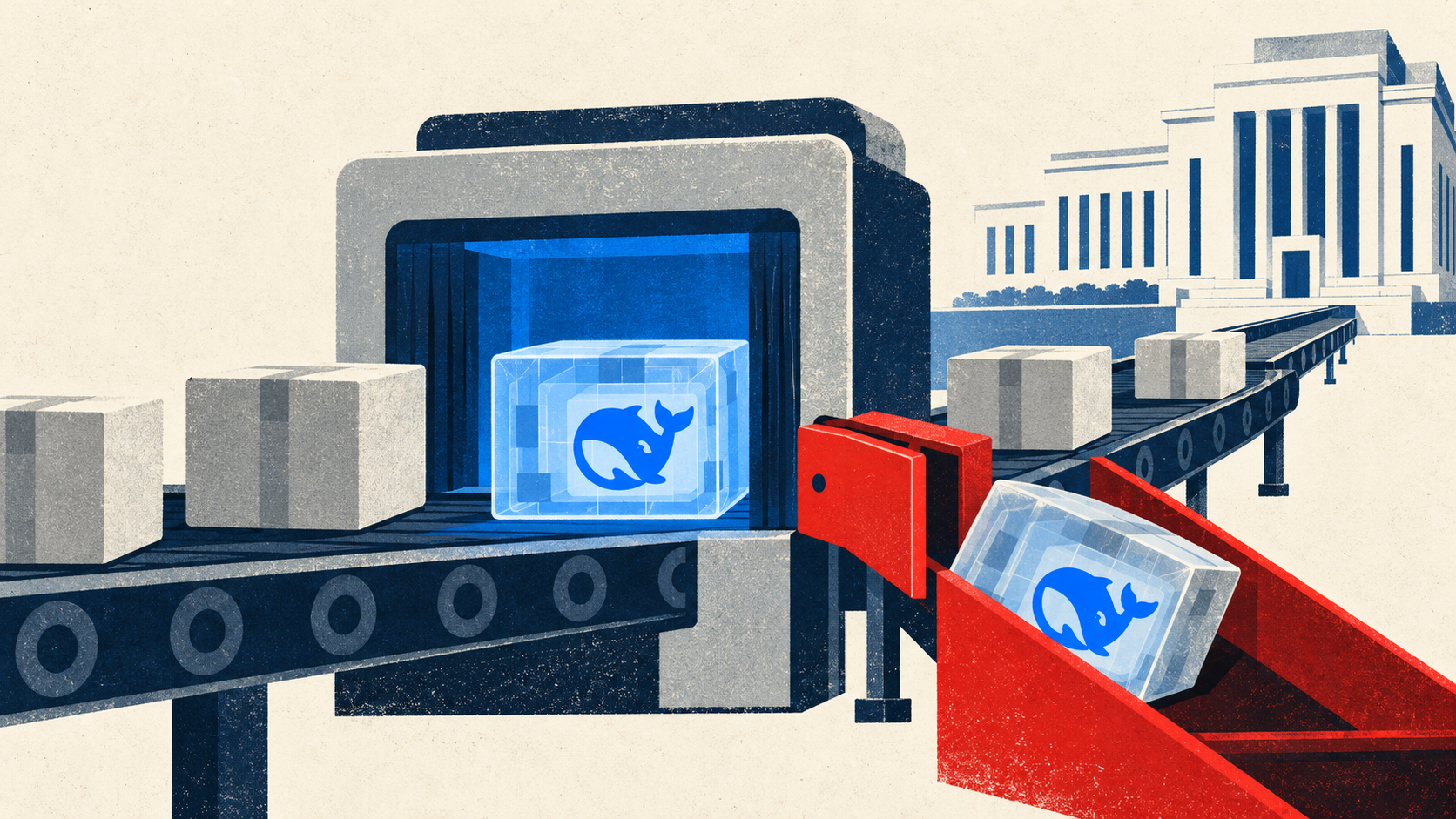
DHS Evicts DeepSeek From Civilian Federal Systems |
DHS has ordered federal civilian agencies to purge DeepSeek technology from their IT systems and slam the door on future purchases. And because government procurement is never simple, the ban slaps a "do not touch" sign on DeepSeek affiliates and any third-party services smuggling its tech under the hood—so slapping a different vendor's logo on your software won't save you.
The directive, which was quietly signed in July but conveniently made public this week, cites all the classic greatest hits: potential data transfers to China, intelligence-gathering risks, and the ever-popular "possible malware." To be clear, these are the government's stated paranoias, not hard proof that every DeepSeek chatbot is actively snitching. |
Image created with ChatGPT |
Here's the technical migraine: DeepSeek's open-source models can run entirely locally or through third-party providers outside China's borders. But Uncle Sam doesn't care where your servers live if the model's DNA is Chinese. Federal suppliers are now on the hook to play forensic genealogist, hunting down embedded models and finding acceptable replacements. The purge applies specifically to civilian executive-branch systems, so your personal phone is safe for now. Agencies desperate to keep their cheap AI can beg for an exception if they have a compelling mission-critical or national-security excuse, CyberScoop reports.
Unsurprisingly, Beijing is furious. China's Commerce Ministry demanded Washington scrap the restrictions on Tuesday, crying discrimination and accusing the US of ignoring mutual agreements. Meanwhile, federal vendors who thought they were saving a buck with inexpensive open-weight AI are learning a harsh lesson in tech economics—the cheapest model is actually the one you don't have to rip out and replace six months later.
Your AI stack's family tree just became procurement's biggest headache. |
|
|
|
|
Writer/Editor at TechnologyAdvice |
Justin Meyers is an investigative writer and editor who draws on over a decade of meticulous hands-on research to deliver the full, trustworthy story behind consumer and enterprise tech, including cybersecurity. |
|
|
|
Curious about where AI is really headed? |
The Neuron cuts through the noise to bring you smart, hype-free takes on the latest AI trends, tools, and breakthroughs. Join 700,000+ professionals from top companies like Microsoft, Apple, Salesforce, and more.
|
|
|
|
Advertise in Daily Tech Insider! Daily Tech Insider is a TechnologyAdvice business. © 2026 TechnologyAdvice, LLC. All rights reserved.
TechnologyAdvice, 3343 Perimeter Hill Dr., Suite 215, Nashville, TN 37211, USA. |
|
|
|
|