Not every attack needs a user to click. |
Today, I’m looking at the Firefox vulnerabilities, the zero-click campaign, and a disconnect between visibility and actual data protection. - Ken
Missed a newsletter? Read past issues here. |
|
|
|
Here’s what you need to know: |
|
|
| Mozilla Fixes Over 70 Firefox Vulnerabilities |
Mozilla patched 77 Firefox vulnerabilities, including 30 high-severity flaws involving sandbox escapes, privilege escalation, and memory-safety issues. The company has not reported active exploitation of any of these vulnerabilities at the time of publication. |
My Take: Attackers could potentially chain the memory-safety flaws with sandbox escapes to execute malicious code outside browser isolation controls.
Update Firefox and monitor for suspicious browser activity, including unexpected child processes that could indicate code execution or sandbox escape attempts. |
Get Your Black Friday Offer in Front of 700K+ Subscribers |
Planning a Black Friday or Cyber Monday promotion? Put your cybersecurity brand in front of targeted audiences through sponsored placements across multiple newsletters. Opportunities include Cybersecurity Insider and The Neuron, which reaches more than 700,000 AI-focused subscribers. Whether you're promoting a cybersecurity product or a limited-time offer, these placements offer another way to reach potential customers.
Not on the marketing team? Forward this opportunity to someone who is. Explore Black Friday sponsorship opportunities. |
Cisco Email Gateway Flaw Exploited for Root Access |
Attackers are exploiting a Cisco Secure Email Gateway flaw that enables unauthenticated root level code execution. The vulnerability has a CVSS score of 9.8 and affects appliances with specific malware scanning configurations.
My Take: Compromising an email gateway could allow threat actors to deliver malicious emails undetected. Apply Cisco's fixes and investigate affected gateways for unauthorized policy changes or indicators of compromise. |
|
|
|
Malicious Ads Deliver Spyware to Al Jazeera Devices |
Researchers uncovered an AdFection spyware campaign that infected Al Jazeera devices through malicious online ads without user interaction. The campaign was linked to Discover-Tech's advertising infrastructure and targeted at least 45 devices. |
My Take: What’s interesting to me is how attackers exploited real-time ad bidding data to profile devices and selectively deliver the zero-click spyware.
Restrict advertising trackers and monitor network traffic for connections to known spyware infrastructure. |
Data Visibility Isn't Enough |
Organizations are getting better at identifying sensitive data, but visibility alone doesn't translate into reduced security risk. Thales' 2025 Data Threat Report found that 87% of respondents can classify at least half their data, but fragmented tools and cloud environments complicate protection. My Take: I think it’s less about the volume of security findings and more about whether remediation efforts are actually reducing material business risk. Prioritize remediation based on data sensitivity and business impact, then track whether critical exposures are actually declining. |
|
|
|
Advance Your Cybersecurity Career with CBU
Earn your B.S. in Cybersecurity fully online through a Christ-centered education that develops technical skills and ethical judgment. CBU’s Cyber Defense program of study is NSA validated, and the university is designated an NSA Center of Academic Excellence in Cyber Defense. |
|
|
|
Is Malvertising a Blind Spot in Your Security? |
Malvertising can expose devices to malware through malicious online ads, including zero-click attacks that require no user interaction. |
How to reduce malvertising risk: |
- Deploy trusted ad blockers and DNS filtering to block malicious ads while restricting advertising trackers.
-
Keep browsers and operating systems patched while enforcing security policies that restrict risky extensions.
- Continuously monitor network and endpoint activity for suspicious connections to malicious advertising infrastructure.
|
Validate whether existing security controls can detect zero-click exploitation and contain attackers before they reach your crown jewels. |
|
|
|
Security Tools You Can Use |
| |
|
How confident are you in your organization's browser defenses? |
|
|
|
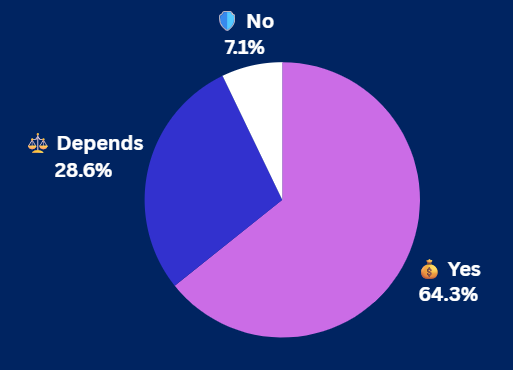
Yesterday's Pulse Check Results |
Should companies face hefty fines for unsecured databases? |
|
|
|
|
Ken Underhill is an award-winning cybersecurity professional, bestselling author, and seasoned IT professional. He holds a graduate degree in cybersecurity and information assurance from Western Governors University, bringing years of hands-on experience to the field. |
|
|
|
Cybersecurity Insider is a TechnologyAdvice business |
© 2026 TechnologyAdvice, LLC. All rights reserved. |
TechnologyAdvice, 3343 Perimeter Hill Dr., Suite 215, Nashville, TN 37211, USA. |
|
|
|
|