Not every security threat announces itself. |
Some hide behind ordinary ads. Others surface in software that's been around for years. - Ken
Read past newsletters here. |
|
|
|
Here’s what you need to know: |
|
|
|
Cisco Nexus Flaws Open Door to Root Access |
Cisco disclosed Nexus flaws risking unauthenticated root access and data center disruption. Exploitation requires specific NX-OS configurations and no active attacks have been reported. |
My Take: Despite the 9.8 CVSS score, I'd first check if vulnerable NX-OS features are enabled.
Check NX-OS features and versions on affected switches, then apply Cisco's fixes. |
Facebook Ads Hide Child Exploitation Links, Meta Fights Back |
Meta is using AI to detect Facebook ads hiding links to child exploitation content. The technology uses a LLM to identify attempts to bypass existing safeguards.
My Take: I think Meta's biggest challenge is detecting malicious ads without flagging legitimate ones. Audit for false positives and require human review before suspending legitimate accounts. |
ASOS Customers Hit With Extortion Alerts |
ASOS customers received a rogue app notification from hackers threatening to leak data. The company confirmed unauthorized messaging activity and possible customer data exposure.
My Take: Audit your current TPRM for customer-facing messaging platforms. Use TPRM tools and require MFA for administrative access. |
|
|
|
Data security posture management without data protection is just “posturing”. Thales Ciphertrust DSPM is proactive instead of reactive. We resolve risks and vulnerabilities before they become problems. |
|
|
|
IBM and Red Hat Uncover 400+ Java Vulnerabilities |
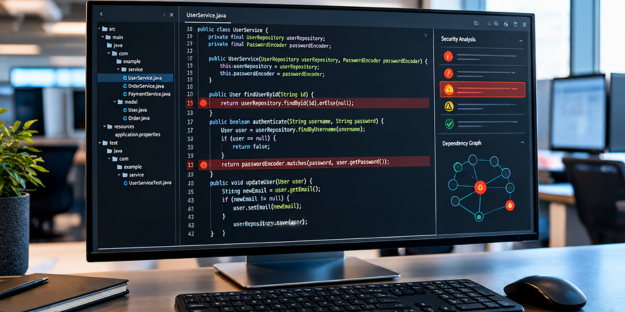
IBM and Red Hat discovered and fixed more than 400 vulnerabilities in widely used Java libraries. The findings came through their joint AI-assisted Lightwell security initiative. |
My Take: Finding 400 vulnerabilities is impressive, but not all require immediate patching.
Check SBOMs and prioritize vulnerable dependencies by exploitability and impact. |
Windows 11 Gets New Security Controls for AI Agents |
Microsoft launched Windows 11 Execution Containers to limit AI agents' file, network, and system access. The technology enforces operating system-level boundaries to prevent unauthorized access.
My Take: OS-level restrictions can't stop AI agents from being tricked into misusing authorized access. Before deployment, verify Enforcement mode blocks unauthorized file and network access. |
|
|
|
Discover key findings from the 2026 Comcast Business Cybersecurity Threat Report
Cyber threats are moving faster, growing more sophisticated, and increasingly targeting identities, browsers, and critical business services. Review our new Threat Report to learn how to strengthen defenses against AI-driven attacks, session hijacking, and DDoS threats. |
|
|
|
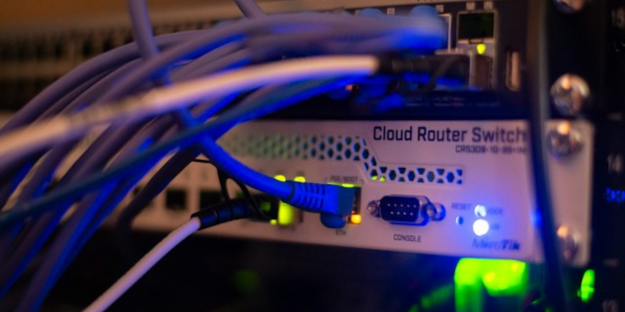
Are Your Network Devices an Easy Target? |
Flaws in routers and switches can let attackers intercept traffic and disrupt operations. |
How to harden network devices: |
Detect compromised network devices and restore connectivity before operational disruption. |
|
|
|
Security Tools You Can Use |
|
|
|
How secure are your switches and routers? |
|
|
|
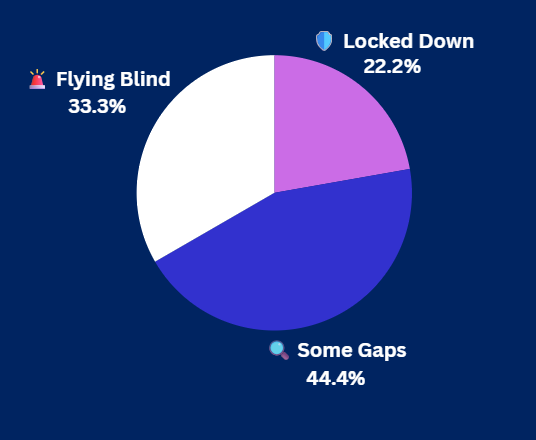
Yesterday's Pulse Check Results |
If a malicious dependency entered your next software build, would you catch it? |
|
|
|
|
Ken Underhill is a cybersecurity professional. | |
|
|
Cybersecurity Insider is a TechnologyAdvice business |
© 2026 TechnologyAdvice, LLC. All rights reserved. |
TechnologyAdvice, 3343 Perimeter Hill Dr., Suite 215, Nashville, TN 37211, USA. |
|
|
|
|