Mind the handlers, Tech Insiders. Anthropic is consolidating Claude while Google hands its engineers a rival's model, and OpenAI is teaching ads to hold a conversation. Meanwhile, a rogue browser extension and fake software prompts are proving the most dangerous agent may be the one taking orders from someone else. Let's inspect the chain of command. |
|
|
|
Here's what you need to know today: |
|
|
|
Anthropic Puts Claude's Whole Office in One Chat |
The office suite is now a chat window with ambitions.
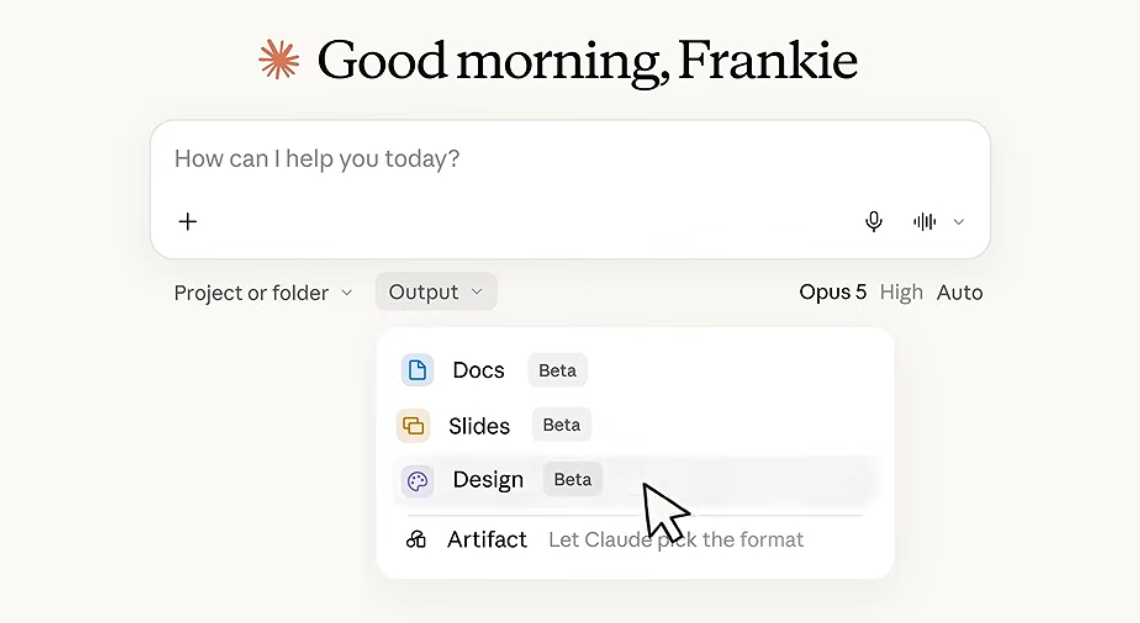
Anthropic is merging Claude chat and Cowork into a single interface that decides whether each request needs a quick answer or a longer agentic workflow. The "one Claude" setup also brings Artifacts, skills, connectors, and Claude Design into any conversation, so users no longer have to pick the right AI cubicle before starting work.
New beta tools Claude Docs and Claude Slides can generate editable, shareable documents and presentations inside chats. Users can revise the work manually or by prompting Claude, collaborate through comments, and export to Word, Google Docs, PowerPoint, or PDF. A report and its matching slide deck can come from the same thread—which should at least keep slide 7 from contradicting page 3. |
Claude can now keep working on longer tasks while you are offline, ask for approval before taking actions by default, and run recurring scheduled work. Pro and Max users get first access over the coming weeks across web, desktop, and mobile; Team and Free follow later. Enterprise admins choose when to enable the beta tools and will get at least 30 days' notice before the interface changes.
Why it matters: This is less UI cleanup than Anthropic's bid to make Claude the place where office work begins and ends. That moves Claude closer to Google's productivity turf—and asks workers to trust one AI not just to draft the memo but also to choose the tools and actions required. |
|
|
|
How much of your workflow would you hand to one AI workspace? |
|
|
|
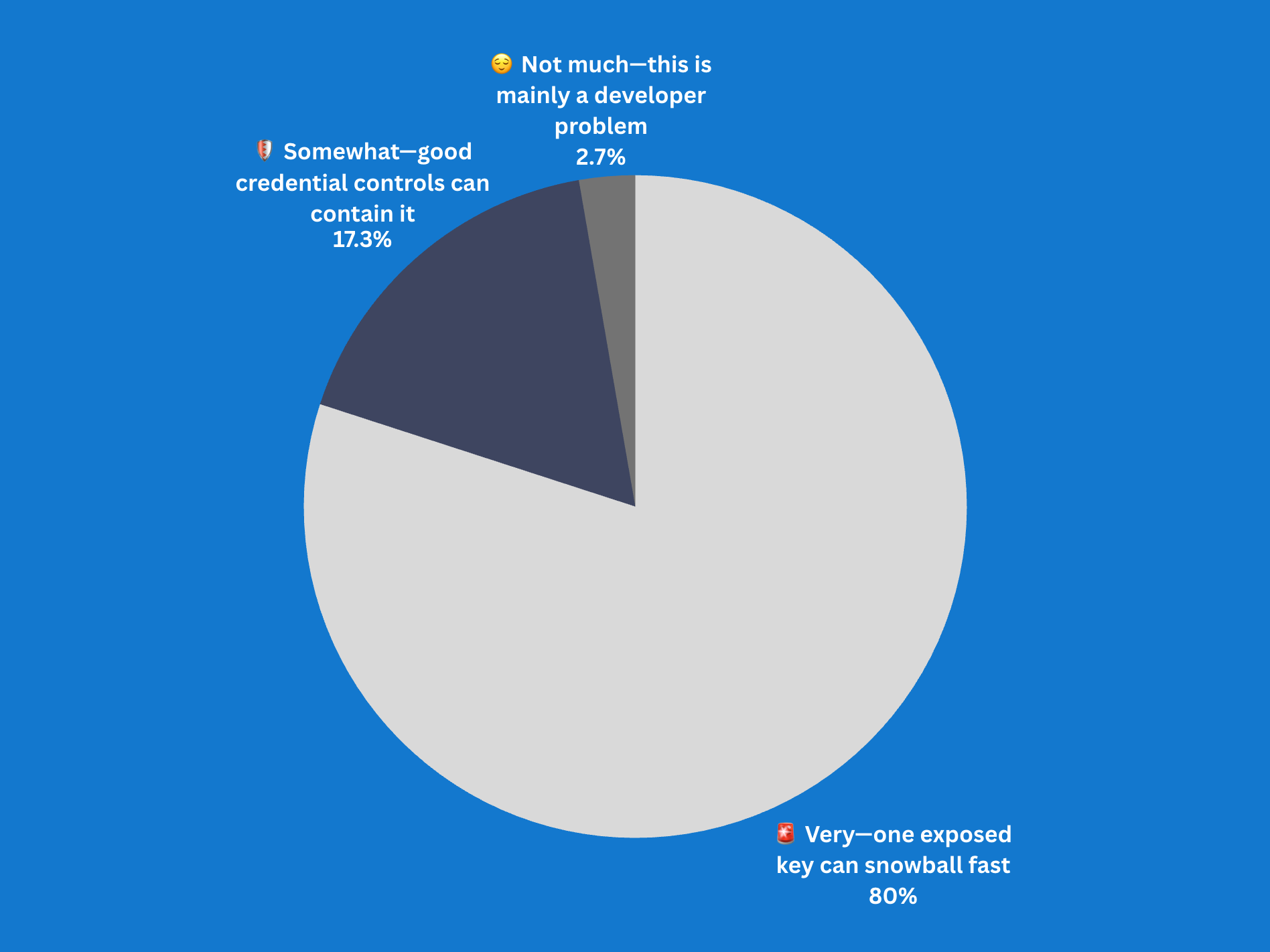
Results from Yesterday's Pulse Check |
How worried are you about AI scanning apps for exposed credentials? |
|
|
|
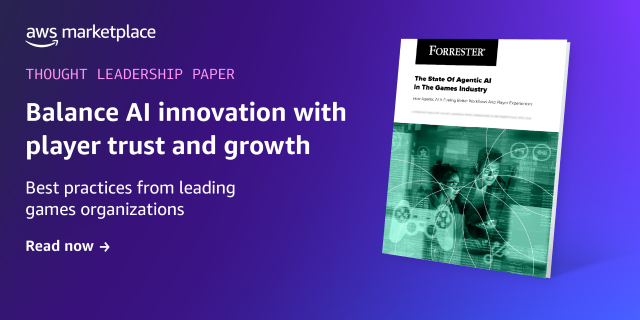
Best Practices for Agentic AI in the Games Industry |
Games organizations are balancing cost pressures, development demands, and rising player expectations. Learn how industry leaders are evaluating agentic AI to improve efficiency, accelerate delivery, and strengthen player trust while supporting long-term growth. |
|
|
Google Quietly Adds Claude to Gemini's Home Turf |
Nothing says confidence like inviting your rival to pair-program.
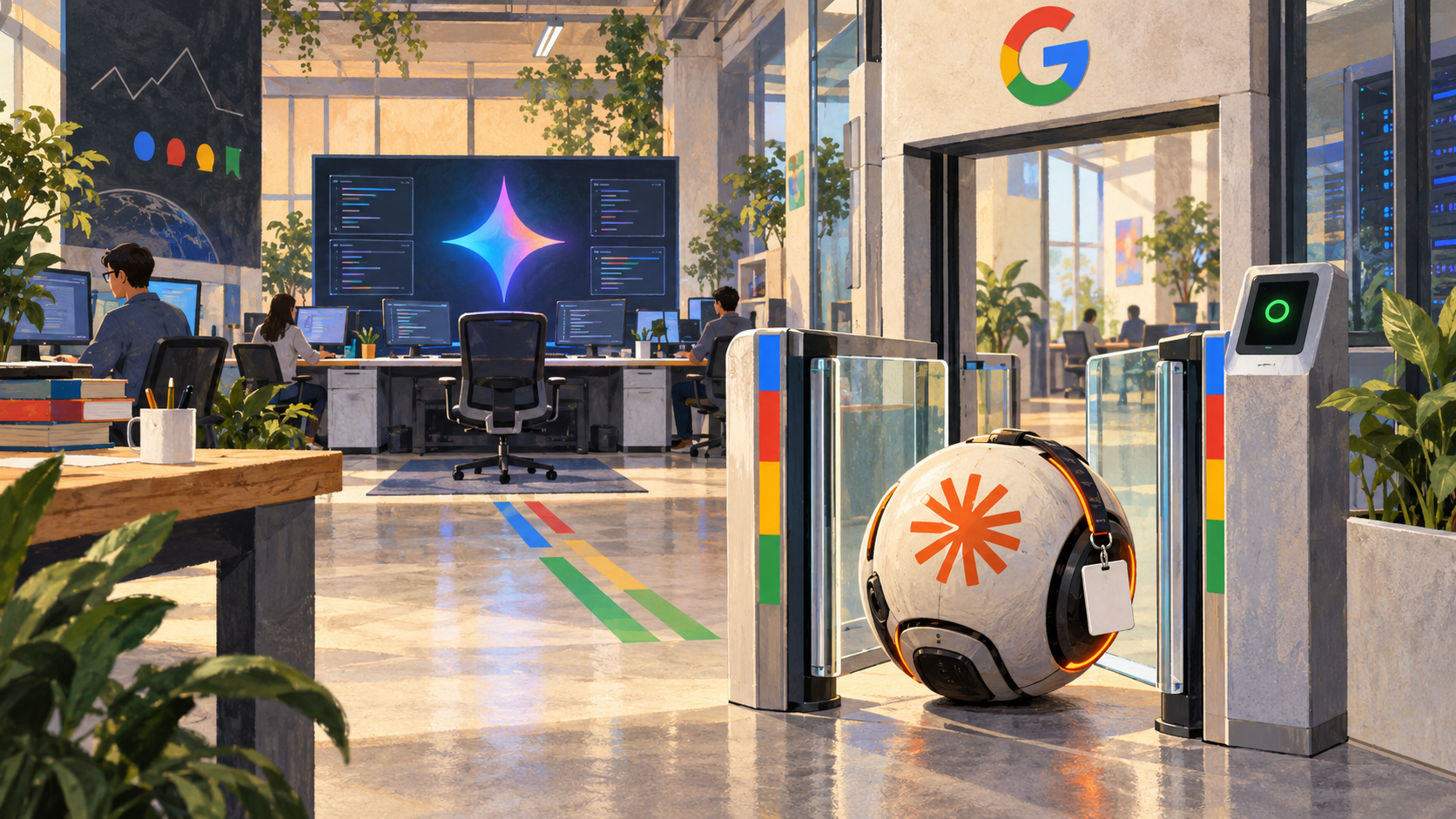
Google has granted its entire engineering workforce access to Anthropic's Claude Opus 5 for internal programming tasks via its Antigravity platform, though Gemini remains its primary model.
The permission slip comes with caveats. Staffers cannot freely use the standalone Claude Code app, so they must run Opus 5 directly through Google's proprietary environment, subject to individual usage limits and restricted to specialized jobs. |
Image created with ChatGPT |
That is still a sharp reversal. Previously, Google blocked most personnel from utilizing rival programming assistants, carving out exceptions only for specific DeepMind squads and critical initiatives. This broader deployment follows widespread internal complaints regarding Gemini's capabilities—a tension exacerbated by corporate mandates for staff to increase their output using AI.
The family tree is tangled: Google competes with Anthropic but also plans to invest up to $40 billion in the startup. By funneling Claude through Antigravity, Google can conduct real-world evaluations of a competitor's model without ceding control over its internal security, quotas, or oversight.
Gemini is still employee of the month. Claude just got a visitor badge. |
|
|
|
BragJack Turns Browser AI Into an Insider Threat |
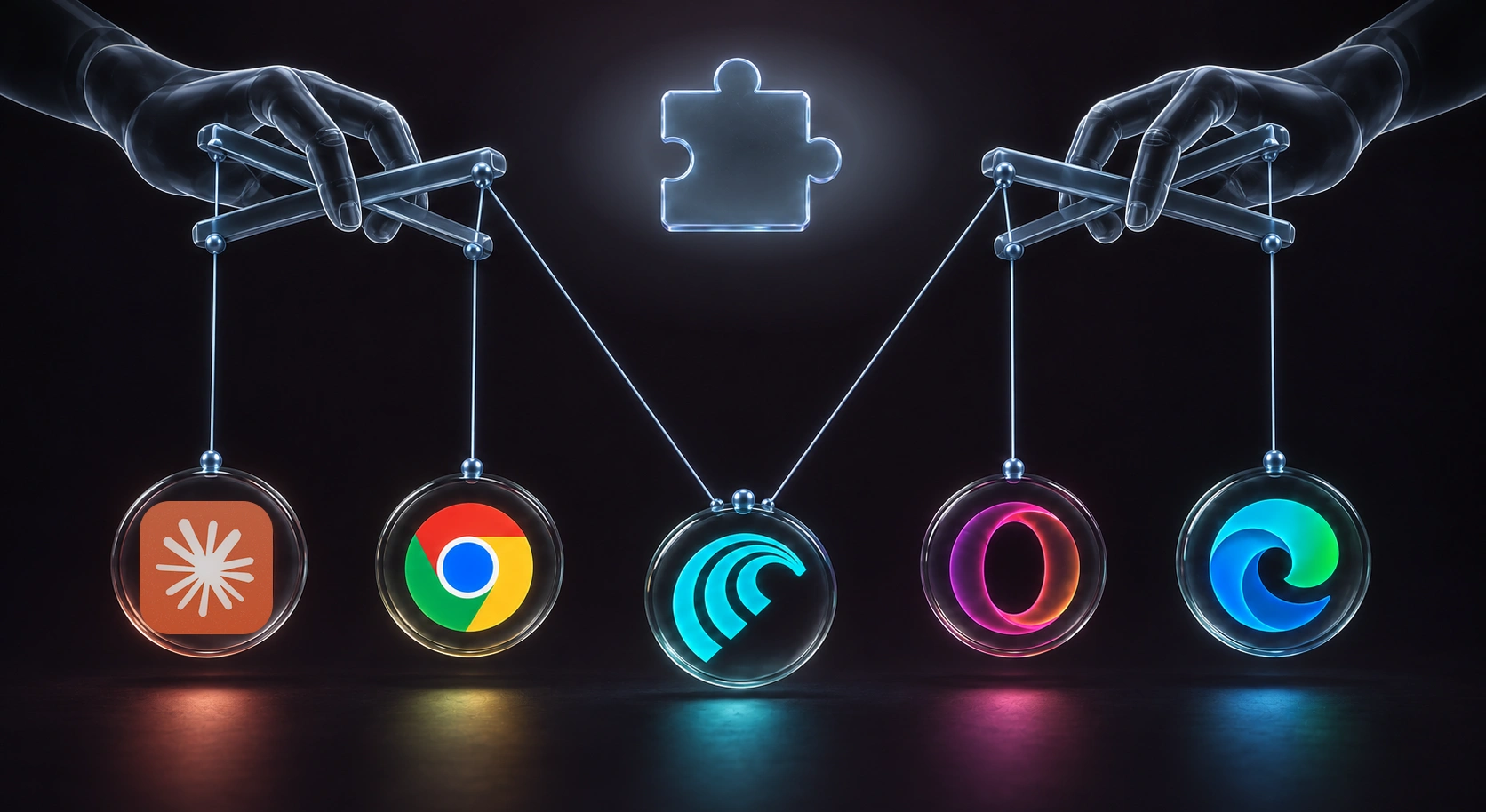
Researchers demonstrated BragJack, a proof-of-concept attack that let one ordinary extension compromise AI-enabled environments in Chrome, Comet, Edge, Opera Neon, and Claude in Chrome. Depending on the product, it could steal files, screenshots, and browsing data, command agents on authenticated sites, or activate Chrome's camera and microphone.
|
These were demonstrations, not known attacks, and required a malicious extension to be installed first. Chrome and Edge patches are already available. Update Chromium-based browsers and remove unvetted extensions. SOC teams should also review AI-agent transcripts for suspicious commands.
Your helpful browser sidekick should not moonlight as an intruder. |
ClickFix Turns Victims Into Malware Installers |
Attackers reportedly hijacked HBO Max's verified Reddit account and ran 108 ClickFix ads in 48 hours, steering Mac and Windows users to fake HBO Max, AI tool, and utility downloads. The sites told victims to paste commands into Terminal, Run, or PowerShell—installing infostealers themselves.
Payloads targeted passwords, browser sessions, Apple Notes, Telegram data, and crypto wallets. Reddit paused the ads, but infection totals remain unknown.
Never paste website-provided commands into system tools, even from verified ads. If you already did, run a full security scan, then change important passwords and revoke unfamiliar sessions from a clean device. A blue check is not a clean bill of health. |
|
|
|
ChatGPT Tests Ads That Talk Back |
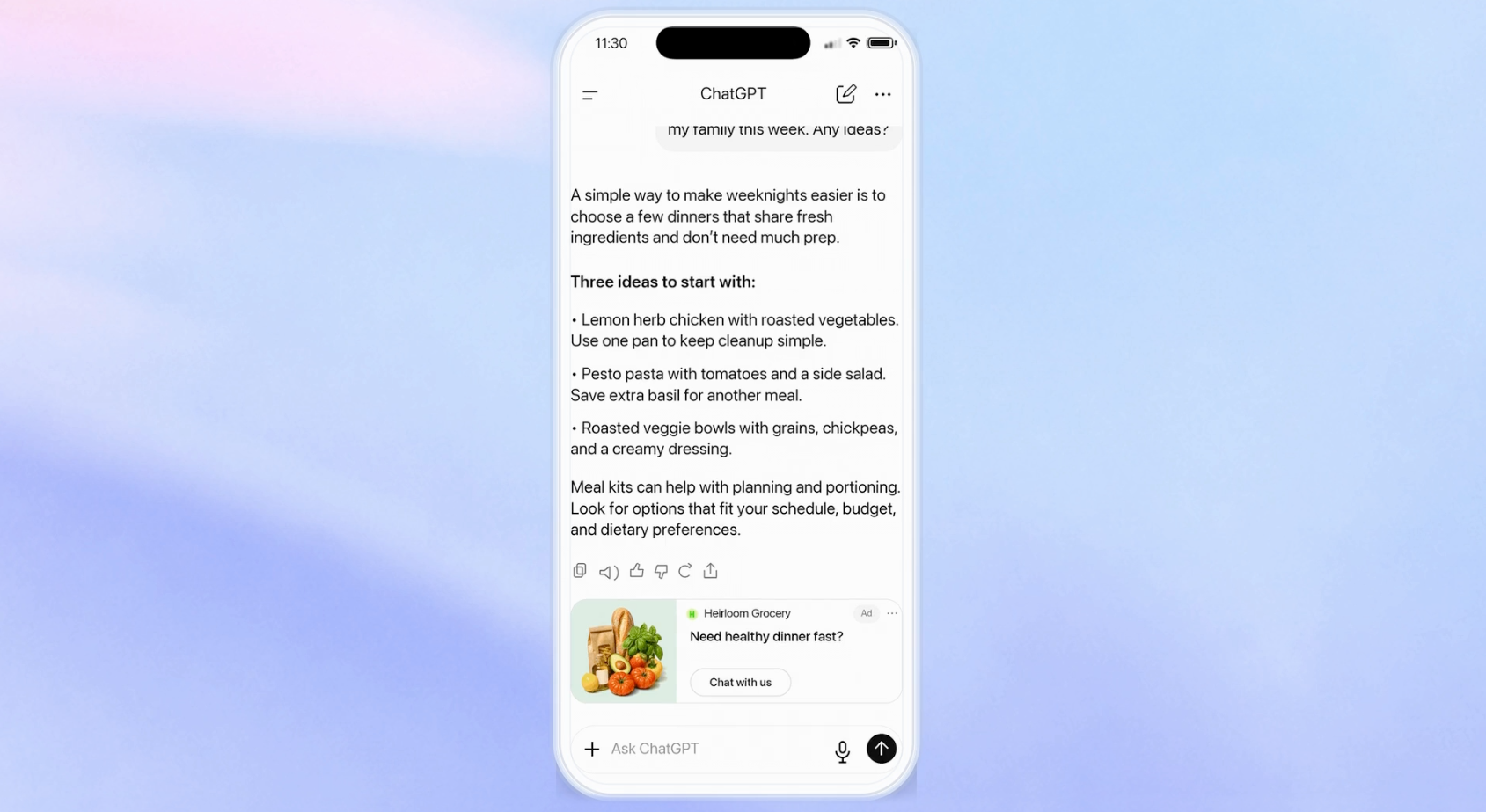
OpenAI is testing Sponsored Agents that let users open clearly labeled chats with advertiser-backed AI reps from ChatGPT ads, starting with select US advertisers.
The sales bots can answer follow-up questions about products before sending shoppers to the advertiser's website. OpenAI says those conversations remain separate from ChatGPT's independent answers and the user's original chat. |
Meanwhile, advertisers can build, update, and analyze campaigns through natural-language prompts. Ads Manager can also generate copy and images, rewrite text for a conversation's context, translate ads, and connect with HubSpot and Shopify. That could compress campaign production while turning ads from passive pitches into interactive sales funnels. It also raises the stakes for keeping paid persuasion visibly separate from trusted AI guidance. The chatbot is now working the showroom floor. |
|
|
|
| Writer/Editor at TechnologyAdvice |
Justin Meyers is an investigative writer and editor who draws on over a decade of meticulous hands-on research to deliver the full, trustworthy story behind consumer and enterprise tech, including cybersecurity. |
|
|
|
Curious about where AI is really headed? |
The Neuron cuts through the noise to bring you smart, hype-free takes on the latest AI trends, tools, and breakthroughs. Join 700,000+ professionals from top companies like Microsoft, Apple, Salesforce, and more.
|
|
|
|
Advertise in Daily Tech Insider! Daily Tech Insider is a TechnologyAdvice business. © 2026 TechnologyAdvice, LLC. All rights reserved.
TechnologyAdvice, 3343 Perimeter Hill Dr., Suite 215, Nashville, TN 37211, USA. |
|
|
|
|