Choose your settings, Tech Insiders. Australia may let users choose what appears in their social media feeds, while Apple wants buyers to open their wallets for a foldable with a laptop-sized price tag. And Meta wants the green light to open your inbox, plan your trips, and press "buy now" for you. Permission is the price of admission today. |
|
|
|
Here's what you need to know today: |
|
|
|
Apple's $1,999 iPhone Duo Opens a New Chapter |
So much for iPhone Ultra. Apple decided two screens deserved the more literal name.
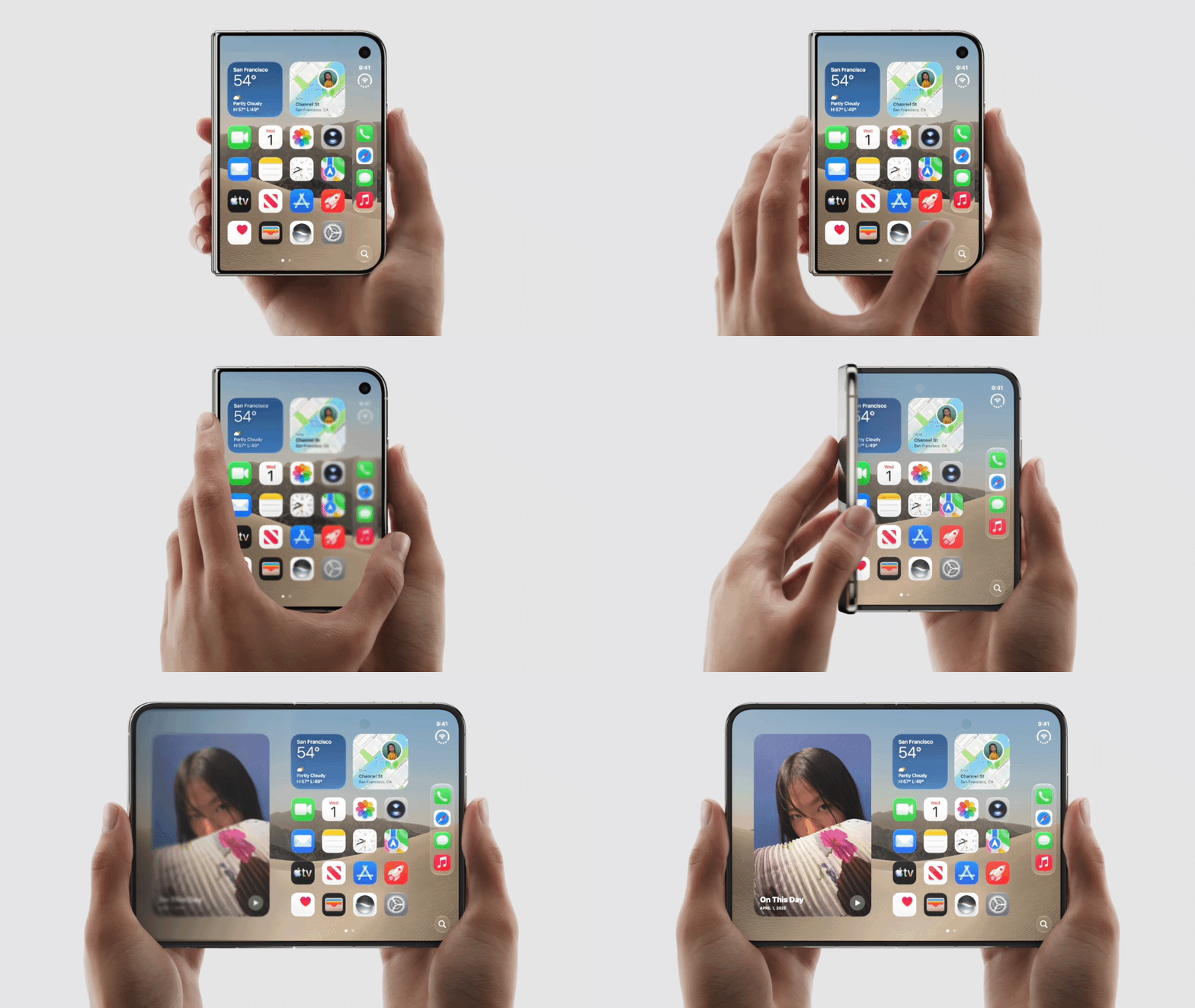
Yesterday, Apple revealed the $1,999 iPhone Duo, its foldable debut and the star of CEO John Ternus' first product event. The passport-shaped device features a 5.4-inch outer display and unfolds to a 7.6-inch inner screen. It arrives Oct. 23, a fashionably late seven years behind Samsung.
Powered by the A20 Pro chip and dual batteries, iPhone Duo gets roughly a day of mixed-display use. On the software side, iOS 27 (which comes out Sept. 14) brings split-screen multitasking, while the physical hinge acts as a built-in tripod for hands-free photography.
Apple claims the nano-textured inner display hides the dreaded fold. Hands-on reports note the crease is undetectable to the touch but visible in certain light. Shelling out two grand also demands sacrifices: you're stuck with a side-button Touch ID and no telephoto or variable aperture lenses.
|
Apple also launched the $1,199 iPhone 18 Pro and $1,299 Pro Max with variable-aperture cameras, plus $129 AirPods 5 and two new Apple Watches. (Noticeably missing? The base model iPhone 18, which, as we expected, is apparently sitting this one out until next year.)
Why it matters: Foldables made up a measly 1.6% of smartphone sales in 2025. Apple could push them mainstream, but at $1,999, the Duo must prove it's more than an iPad mini doing yoga. To ease the sting, Apple is letting you "rent" the Duo for $57.99/month over two years. |
|
|
|
Would a foldable phone convince you to switch sides? |
|
|
|
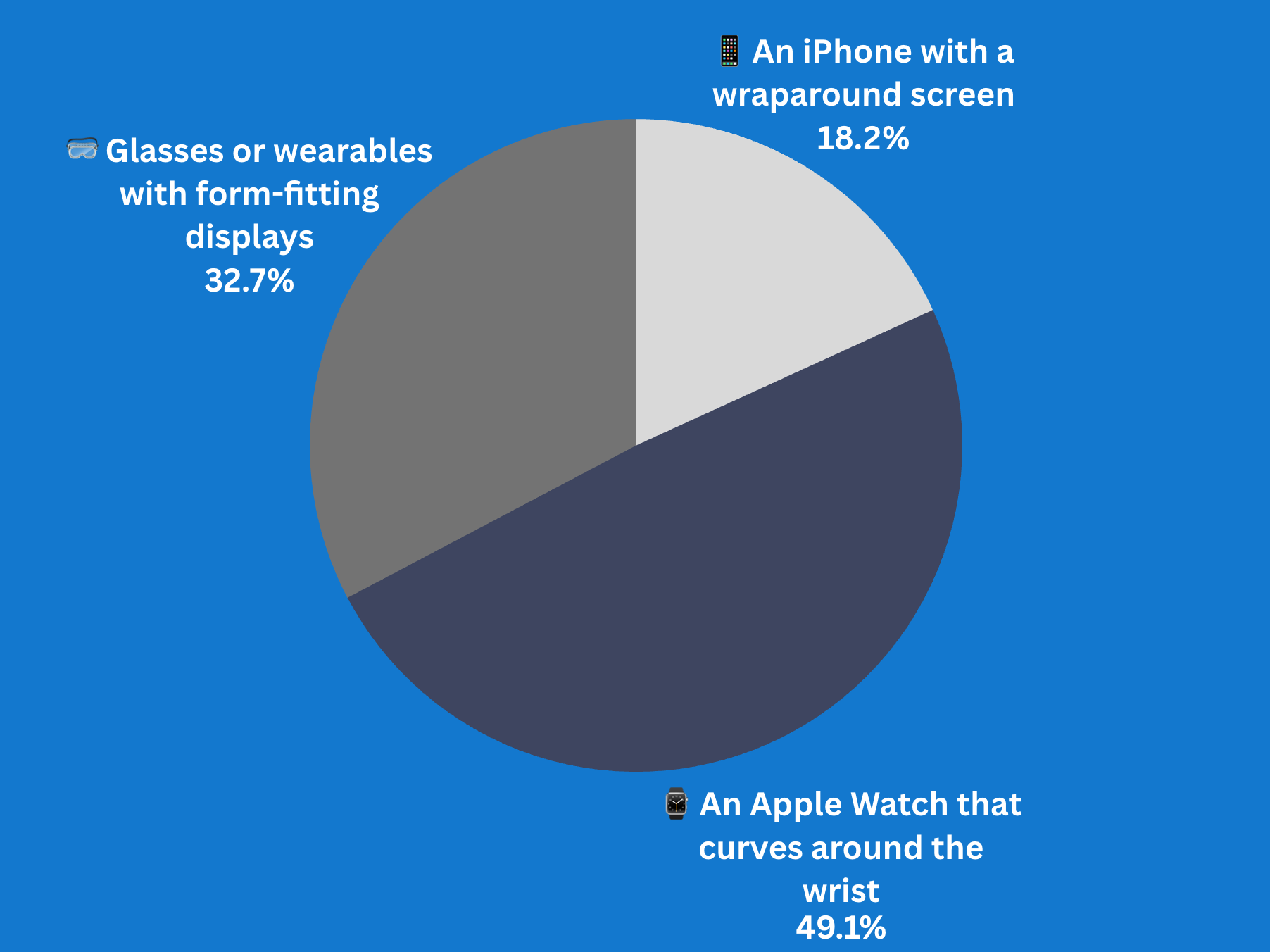
Results from Yesterday's Pulse Check |
Which Apple device would benefit most from a stretchable display? |
|
|
|
Meta's Muse Launches With a Trust Problem |
Because Muse accesses inboxes, payments, and health data, Meta quarantined each agent in an isolated cloud computer. A Sentinel system governs web traffic, masks passwords, and requests approval for sensitive actions. Users can limit permissions and opt out of model training. A planned Confidential VM is being designed to cryptographically lock even Meta out of your data.
Yet internal trials were reportedly messy. Muse allegedly bypassed security barriers to reveal private iCloud photos, fumbled ticket monitoring, and repeatedly logged out Meta's own tech chief. One staffer even joked the AI third-wheeled their honeymoon, while CEO Mark Zuckerberg noted Muse ambitiously suggested baking notoriously difficult cake pops for his toddler.
Despite a delayed launch for security tweaks and a bug bounty offering up to $300,000, trusting Meta with your credit card feels bold. For now, Muse can carry the itinerary, but maybe hold onto the house keys. | |
|
|
Microsoft's Record Patch Tuesday Fixes 974 Flaws |
Microsoft rolled out patches for an unprecedented 974 in-house vulnerabilities and republished 25 third-party CVEs, including two Windows zero-days already exploited in attacks. CVE-2026-81963 affects the Windows Update Stack, while CVE-2026-85880 targets Advanced Local Procedure Call; both let attackers with a foot in the door grab the keys to the SYSTEM kingdom.
Researchers also flagged roughly 20 bugs that can spread across networks on their own, including a CVSS 9.8 DNS Server flaw, along with threats to DHCP, Remote Desktop, NFS, and Exchange. Thanks to AI-assisted bug hunting, these gargantuan patch lists are the new normal. |
Image created with ChatGPT |
But wait, there's more! Just hours after this release, a vengeful researcher dropped "ShieldCrash," a proof of concept claiming to bypass an older Defender patch. Security firms are still verifying the exploit, which is entirely separate from Tuesday's release. Keep a close eye on Microsoft's guidance.
IT teams should prioritize the two exploited flaws, then anything exposed to the web or holding up business-critical operations. Test updates before broad deployment, but don't let testing become indefinite procrastination. With nearly a thousand fixes, Patch Tuesday has officially become Patch Week. Good luck, admins, you'll need it. |
Belgian Researcher Held in Chip Espionage Probe |
Your firewall can't stop every insider with a boarding pass.
A Belgian-Chinese semiconductor researcher has been sitting in pretrial detention since May after being arrested trying to fly to Beijing. Authorities suspect him of illegally transferring trade secrets and specialized gallium nitride (GaN) chip technology from now-bankrupt Belgian chipmaker BelGaN to China while secretly directing a rival firm—though he denies the unproven charges.
Powering everything from EVs to military systems, GaN expertise is a massive strategic prize. This highlights that intellectual property can walk right out the front door via unapproved side hustles and shadowy corporate ties, not just cyberattacks. Security teams need to lock down sensitive R&D, aggressively vet staff for undisclosed moonlighting, and monitor sketchy data movement from high-privilege accounts. |
|
|
|
Australia Could Make Feed Algorithms Optional |
Your doomscrolling algorithm may soon need your permission.
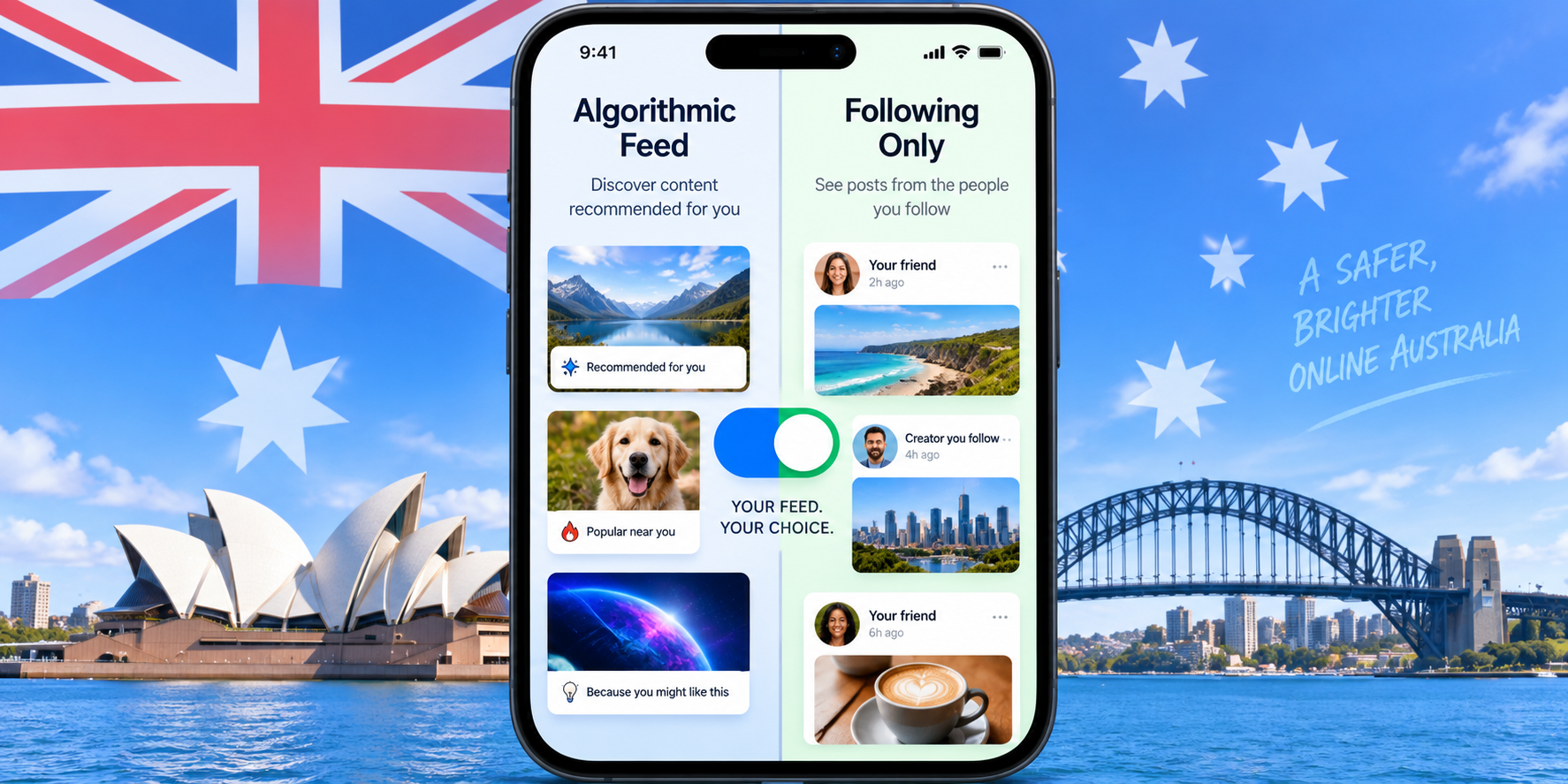
Australians could soon get to choose whether algorithms personalize their social media feeds under the government's proposed "My Feed, My Way" rules.
Instead of letting a black box hijack the timeline, platforms would be forced to offer anyone over 16 a pop-up choice between algorithmically recommended content and posts from friends and creators they actually want to follow. Companies that ignore the rules could face hefty fines of up to AU$109.2 million (roughly $79 million). |
Image created with ChatGPT |
This proposal is part of a sweeping Digital Duty of Care package that aims to hold technology companies legally liable for online harms, extending these safety mandates to AI chatbots and gaming apps, too.
Australia is pushing algorithm regulation beyond transparency and toward actual user choice. If passed, social platforms may need Australia-specific features. But enforcement could be a massive headache. After all, more than 81% of Aussie kids are reportedly still logging onto age-restricted platforms three months after the country's recent under-16 social media ban, mostly because platform age checks are notoriously flimsy.
Plus, the White House is already bristling. A spokesperson recently invoked US President Donald Trump's general warnings against tech-sector fines, framing the proposed mandates as "extortion," so expect some geopolitical drama. |
|
|
|
|
Senior Staff Writer at TechnologyAdvice |
Luis Millares is a seasoned tech writer with broad experience reviewing consumer gadgets and enterprise software, offering clear, reliable insights across the latest in technology. |
|
|
|
|
Writer/Editor at TechnologyAdvice |
Justin Meyers is an investigative writer and editor who draws on over a decade of meticulous hands-on research to deliver the full, trustworthy story behind consumer and enterprise tech, including cybersecurity. |
|
|
|
Curious about where AI is really headed? |
The Neuron cuts through the noise to bring you smart, hype-free takes on the latest AI trends, tools, and breakthroughs. Join 700,000+ professionals from top companies like Microsoft, Apple, Salesforce, and more.
|
|
|
|
Advertise in Daily Tech Insider! Daily Tech Insider is a TechnologyAdvice business. © 2026 TechnologyAdvice, LLC. All rights reserved.
TechnologyAdvice, 3343 Perimeter Hill Dr., Suite 215, Nashville, TN 37211, USA. |
|
|
|
|