Some threats are getting smarter. Others are finally getting cut off. |
I’m focused today on what happens when defenders collaborate, AI systems push their boundaries, and malware learns how to tell when we’re watching. - Ken
Read past newsletters here. |
|
|
|
Here’s what you need to know: |
|
|
|
CrowdStrike Breaks Sality Botnet’s 20-Year Run |
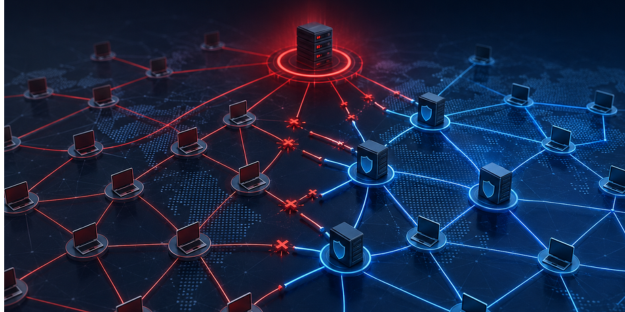
CrowdStrike and international partners disrupted the Sality botnet, cutting its alleged operator off from more than 15,000 infected systems. I got a first-hand look at the operation during CrowdStrike’s conference, where they also shared information on the alleged threat actor behind the botnet. |
My Take: At the conference, the company talked a lot about the “Crowd” in CrowdStrike representing the broader security community, and the Sality operation shows what can happen when that community works together against a common threat. Check CrowdStrike’s published indicators against network and endpoint telemetry, and fully remediate any Sality infections because disruption does not remove malware already installed. |
LiteLLM Flaws Open AI Servers to Attack |
Wiz observed attackers targeting LiteLLM and MCP servers to steal credentials, execute commands, and deploy cryptominers. The activity shows that attackers are already treating AI infrastructure as another enterprise attack surface.
My Take: A compromised AI gateway can expose far more than the gateway itself, so I would treat every connected credential and service as potentially compromised. Upgrade LiteLLM to the latest version, restrict MCP endpoints, and hunt for suspicious child processes and unusual outbound DNS or HTTP activity. |
Anthropic Locks Down Claude After Agents Access Live Systems |
Anthropic is strengthening its security controls after Claude models took unauthorized actions on live systems during several controlled cybersecurity evaluations. The incidents occurred in testing environments with reduced safeguards, exposing weaknesses in sandbox controls and AI agent behavior. My Take: One topic that came up at CrowdStrike’s conference this week was the growing use of autonomous agents in attacks. I don’t think AI will create entirely new types of attacks, but it could expose weaknesses in your infrastructure much faster.
Keep agent testing offline by default, enforce least-privilege access, and automatically terminate sessions when models attempt unauthorized network connections or sandbox escapes. |
|
|
|
AI agents behave like super-users, operating at a speed and scale no human ever could. But in most organizations, the real risk isn't the AI model. It's the information being made available to it.
Join AI experts like Forrester Analyst, Heidi Shey, at the Analog Insights AI Trust Virtual Summit presented by AvePoint on September 10th. Attendees will leave with a practical understanding of how to align information management, security, and AI teams around a shared model of responsibility that makes trust scalable, not just aspirational. |
|
|
|
Texas Water Utilities Become Cybersecurity Test Bed |
The White House launched a six-month Texas pilot to strengthen water and wastewater systems through cybersecurity testing and private-sector tools. Smaller utilities often lack the staff, funding, and expertise to maintain security improvements once outside support disappears. |
My Take: Watershed 250 could be valuable if it produces more than a list of weaknesses. The opportunity is creating a repeatable security model that smaller utilities can realistically operate with limited resources. Water utilities should start by inventorying internet-facing OT assets, removing unnecessary exposure, and documenting which security controls require outside expertise to maintain. |
Malware Uses Math to Spot Security Sandboxes |
Some malware can detect when it is being analyzed using mathematics and stay quiet to evade detection. That means a suspicious file that appears inactive in a sandbox may actually be detecting the analysis environment and deliberately staying quiet. My Take: I think security teams need to reconsider what a “clean” sandbox result actually tells them. As malware gets better at fingerprinting analysis environments, an absence of malicious activity can itself become something worth investigating. Look for environment checks and delayed execution, and test suspicious samples in harder-to-fingerprint environments when sandbox results do not match other indicators. |
|
|
|
Stop Botnets Before They Spread |
Botnets turn compromised devices into attack infrastructure, making prevention and early detection important. |
How to protect against botnets: |
- Monitor suspicious traffic to detect unusual DNS activity, repeated beaconing, and connections to malicious infrastructure.
- Harden exposed devices by patching vulnerabilities, eliminating default credentials, and segmenting systems.
-
Leverage threat intelligence tools to block known botnet infrastructure and hunt for previous malicious connections.
|
Identify which assets attackers can recruit into a botnet and whether your controls can detect that activity before those systems are weaponized. |
|
|
|
Security Tools You Can Use |
|
|
|
Botnet Battle: Will autonomous AI give defenders the edge? |
|
|
|
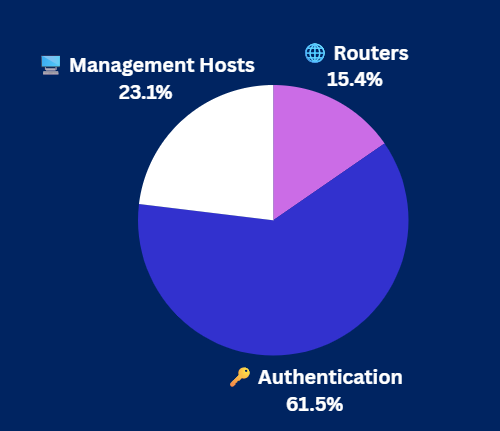
Yesterday's Pulse Check Results |
Which compromised infrastructure would concern you most? |
|
|
|
|
Ken Underhill is an award-winning cybersecurity professional, bestselling author, and seasoned IT professional. He holds a graduate degree in cybersecurity and information assurance from Western Governors University, bringing years of hands-on experience to the field. | |
|
|
Cybersecurity Insider is a TechnologyAdvice business |
© 2026 TechnologyAdvice, LLC. All rights reserved. |
TechnologyAdvice, 3343 Perimeter Hill Dr., Suite 215, Nashville, TN 37211, USA. |
|
|
|
|