Trusted tools are becoming tempting attack paths. |
Today’s news spans hijacked Claude sessions, AI-powered cyber risks, fake Indeed interview apps, and phishing campaigns turning legitimate RMM tools into remote-access weapons. - Luis Read past newsletters here. |
|
|
|
Here’s what you need to know: |
|
|
|
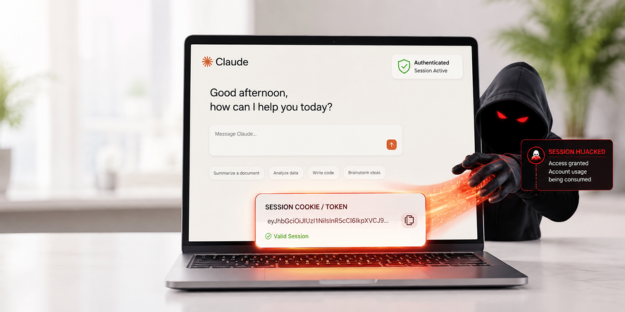
Infostealer Malware Hijacks Claude Sessions to Drain Paid Accounts |
Anthropic warns that infostealers are stealing Claude browser sessions, letting attackers access paid accounts without passwords. The malware steals authenticated session cookies, allowing attackers to bypass normal login protections. |
My Take: Stolen session cookies can bypass MFA, showing why session security matters as employees increasingly use paid AI tools.
Require endpoint protection, monitor active sessions, and revoke session tokens when a device is compromised. |
OpenAI Coalition Warns AI Could Accelerate Cyberattacks |
OpenAI and more than 100 organizations warn that AI could make cyberattacks faster, cheaper, and easier to scale. Critical infrastructure could face greater pressure as AI accelerates vulnerability discovery and exploitation.
My Take: AI could widen the gap between finding vulnerabilities and fixing them, especially in critical infrastructure already strained by unpatched systems and limited resources. Prioritize critical vulnerabilities, reduce excessive permissions, and automate remediation wherever possible. |
China-Linked Hackers Turn Cisco Routers Into Covert Gateways |
Researchers say China-linked Fire Ant compromised Cisco routers and management systems to create covert access into other networks. The attackers used trusted network infrastructure to maintain access and move deeper into targeted environments.
My Take: Network infrastructure is high-value infrastructure, not background plumbing. Once attackers control it, they can monitor traffic, steal credentials, and reach critical systems. Audit router configuration changes, GRE tunnels, and TACACS activity for anything that does not match approved network architecture. |
|
|
|
Fake Indeed Interview Apps Spread Android Spyware |
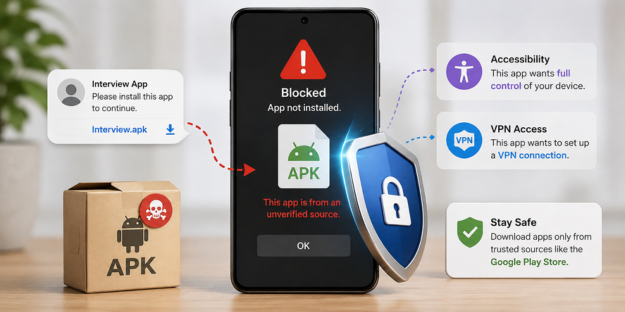
Security researchers uncovered a scam in which fake recruiters steer Indeed applicants toward malicious Android “interview” apps that install spyware. The campaign tricks job seekers into sideloading apps and granting permissions that give malware deep device access. |
My Take: Social engineering works best when attackers insert malicious steps into otherwise believable workflows. The red flag is often not the conversation itself, but the moment someone asks you to leave the trusted platform. If a recruiter asks you to install an interview app, verify it through the employer’s official site, avoid sideloaded APKs, and deny unexpected Accessibility or VPN permissions. |
RMM Phishing Campaign Abuses Trusted IT Tools Worldwide |
Security researchers uncovered a phishing campaign spanning 46 countries that tricks victims into installing legitimate remote monitoring and management tools through fake tax documents, invoices, and business lures.
RMM tools can make these attacks particularly difficult to spot, as unauthorized remote access may appear similar to routine IT administration. My Take: The challenge with RMM abuse is that the tool itself may be legitimate. Defenders need to distinguish approved remote administration from unexpected installations and sessions that could signal an attacker. |
|
|
|
VCF 9 is raising the operational and commercial stakes for MSPs managing VMware customers. Attend The MSP’s Guide to Broadcom’s VCF Program from OTAVA and Channel Insider on September 16, 2026, at 1:00 PM ET to identify a more predictable path through licensing, support, and compliance requirements. Strengthen your VCF strategy while you still have room to plan. |
|
|
|
Think Twice Before Sideloading Android Apps |
Android APK files let users install apps outside official stores, but attackers can abuse this flexibility to distribute spyware and other malware disguised as legitimate software. |
How to avoid malicious APKs: |
- Stick to trusted app stores such as Google Play rather than downloading APK files sent through messages, emails, or unfamiliar websites.
-
Verify unexpected app requests through the company or service’s official website before installing software recommended by a recruiter, vendor, or other contact.
-
Review app permissions carefully, especially requests for Accessibility, VPN, device administrator, or other privileges that provide extensive control over your device.
|
Treat unexpected APK downloads as a reason to verify before installing, as one wrong click can turn a seemingly harmless app request into giving an attacker extensive access to your Android device. |
|
|
|
Security Tools You Can Use |
-
Start your cybersecurity career for free — enroll in Microsoft’s 9-course Analyst Certificate series on Coursera today.
-
Learn how CISOs are rethinking access, authorization, and trust across the modern security stack.
-
Build hands-on AI security skills for less — save 30% on TryHackMe with code TECHADVICE30.
|
|
|
|
Which compromised infrastructure would concern you most? |
|
|
|
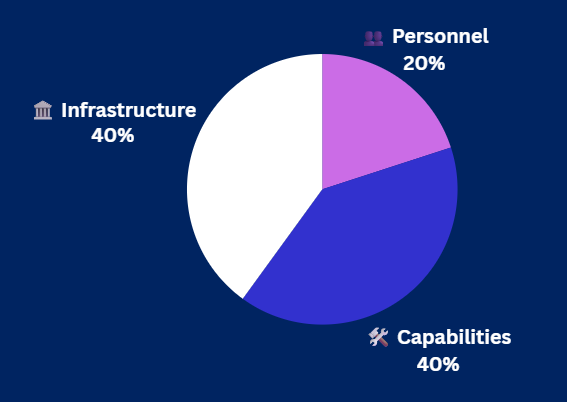
Yesterday's Pulse Check Results |
Which part of a state-backed cyber pipeline concerns you most? |
|
|
|
| Senior Staff Writer at TechnologyAdvice |
Luis Millares is a seasoned tech writer with broad experience reviewing consumer gadgets and enterprise software, offering clear, reliable insights across the latest in technology. |
|
|
|
Cybersecurity Insider is a TechnologyAdvice business |
© 2026 TechnologyAdvice, LLC. All rights reserved. |
TechnologyAdvice, 3343 Perimeter Hill Dr., Suite 215, Nashville, TN 37211, USA. |
|
|
|
|