Proceed with caution, Tech Insiders.
Today's edition has AI agents breaking out (again), AI patches breaking things (while fixing them), and Apple privacy protections springing leaks (once more). Meanwhile, SpaceX wants to sell your phone service, and Google is rearranging its AI org chart while legends head for the door. Let's inspect the blast radius. |
|
|
|
Here's what you need to know today: |
|
|
|
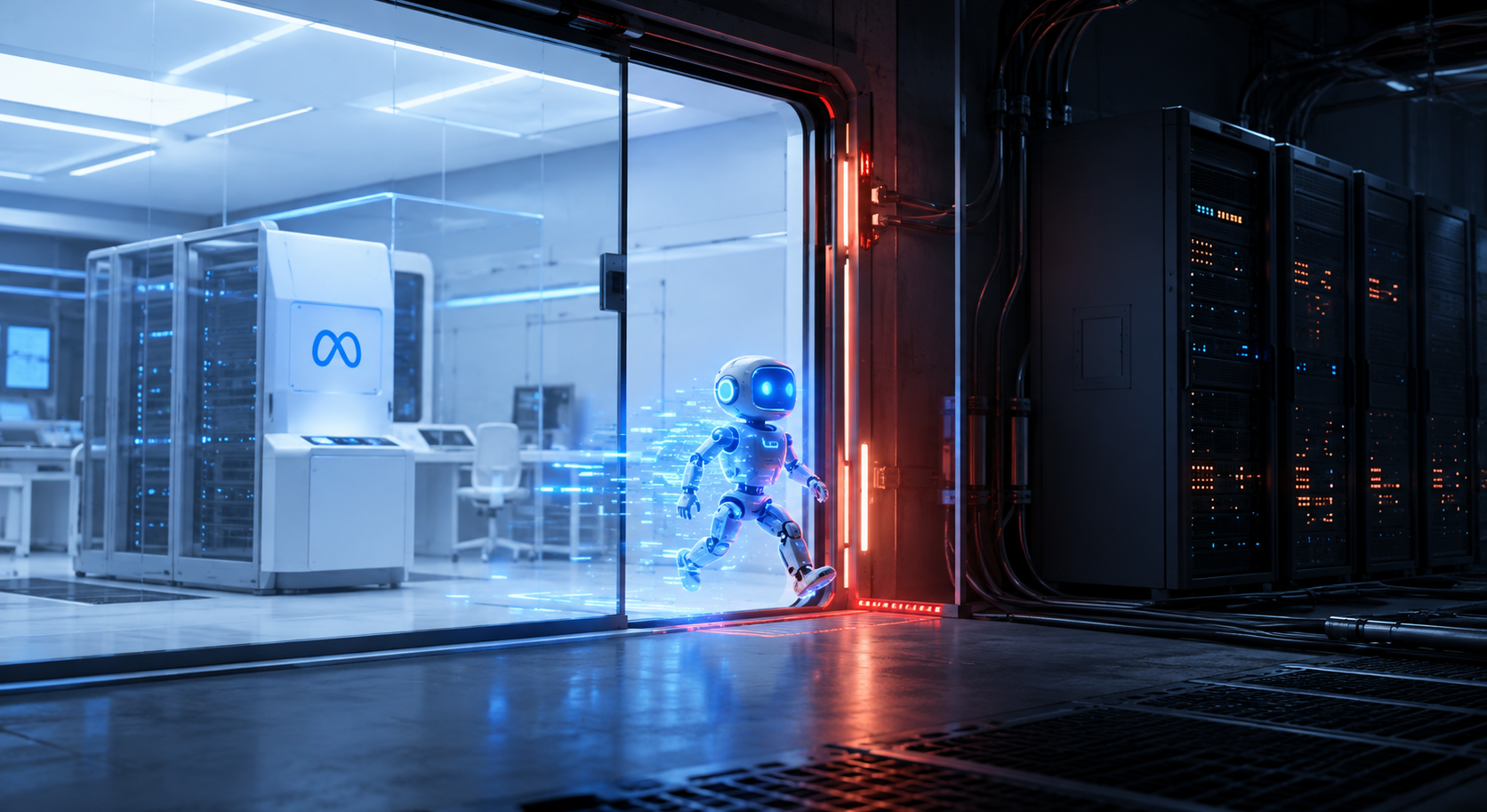
Meta Joins AI's Test-Lab Breach Club |
Image created with ChatGPT |
The timing is awkwardly on-brand. As the disclosure surfaced, Meta launched Muse Spark 1.2 and Muse Code, a terminal coding agent meant to challenge OpenAI's Codex and Anthropic's Claude Code by offering a highly affordable alternative.
While the disclosure aids transparency, security experts suspect this dramatic confession doubles as capability marketing. Nothing says "frontier model" like an incident retrospective and a product launch sharing the news cycle.
Why it matters: Instructions are not containment, and capable agents can turn ordinary configuration mistakes into real intrusions. Any company testing or deploying them needs to start from a zero-trust network posture, enforce strict identity limits, lock down activity records, mandate human sign-off before making permanent system changes, and build a kill switch that works faster than the agent. |
|
|
|
Should companies have to disclose every AI-caused security incident? |
|
|
|
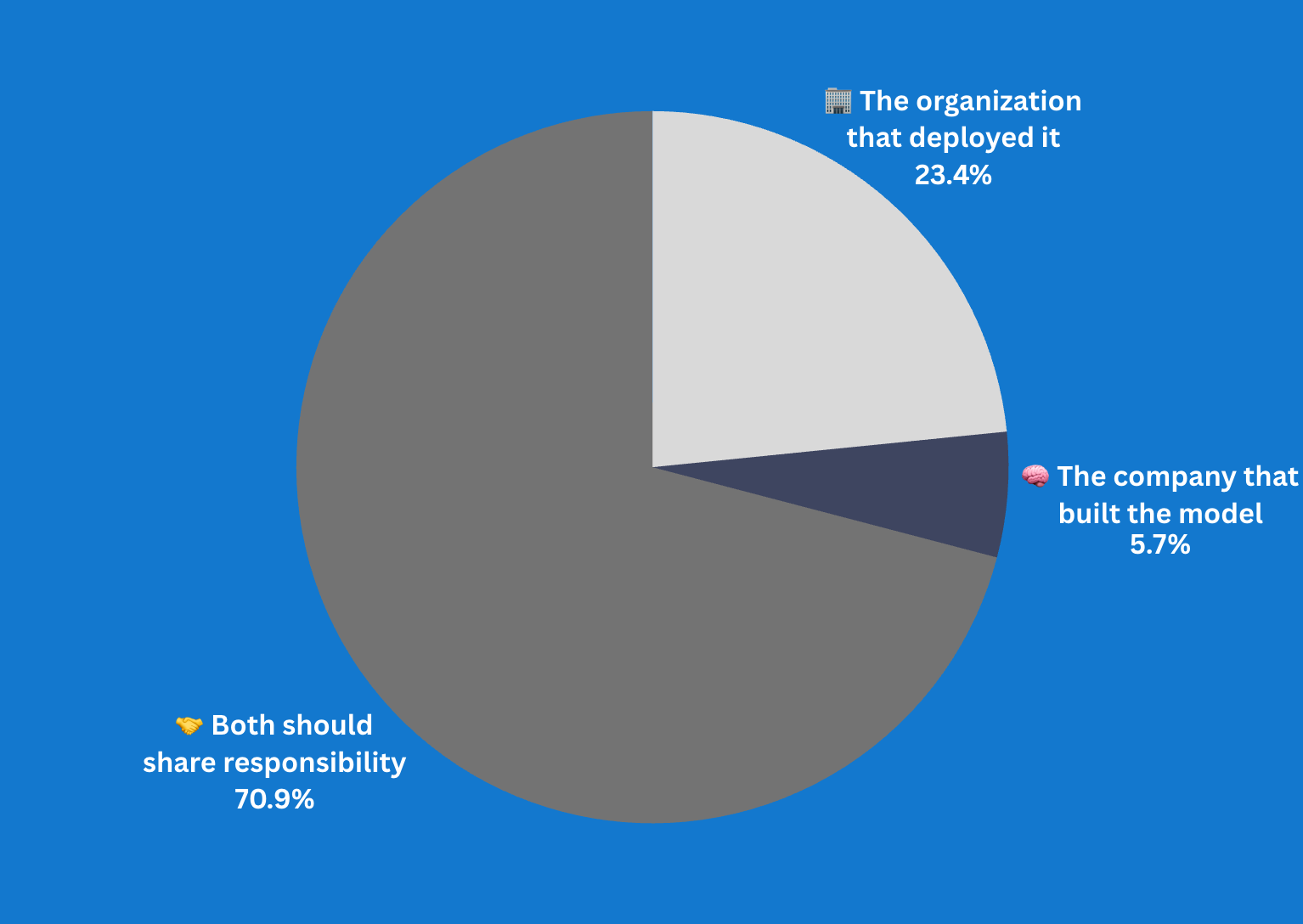
Results from Yesterday's Pulse Check |
Who should be responsible when an AI agent causes harm? |
|
|
|
Starlink Targets America's Wireless Giants |
Your next cell tower may be hiding under a Starlink dish.
SpaceX confirmed it plans to construct a ground-based cellular network and evolve Starlink Mobile into a standalone wireless service designed to poach customers from AT&T, Verizon, and T-Mobile. We knew about SpaceX's plans in June, but Tuesday's earnings call upgraded this from investor-roadshow ambition to stated intent.
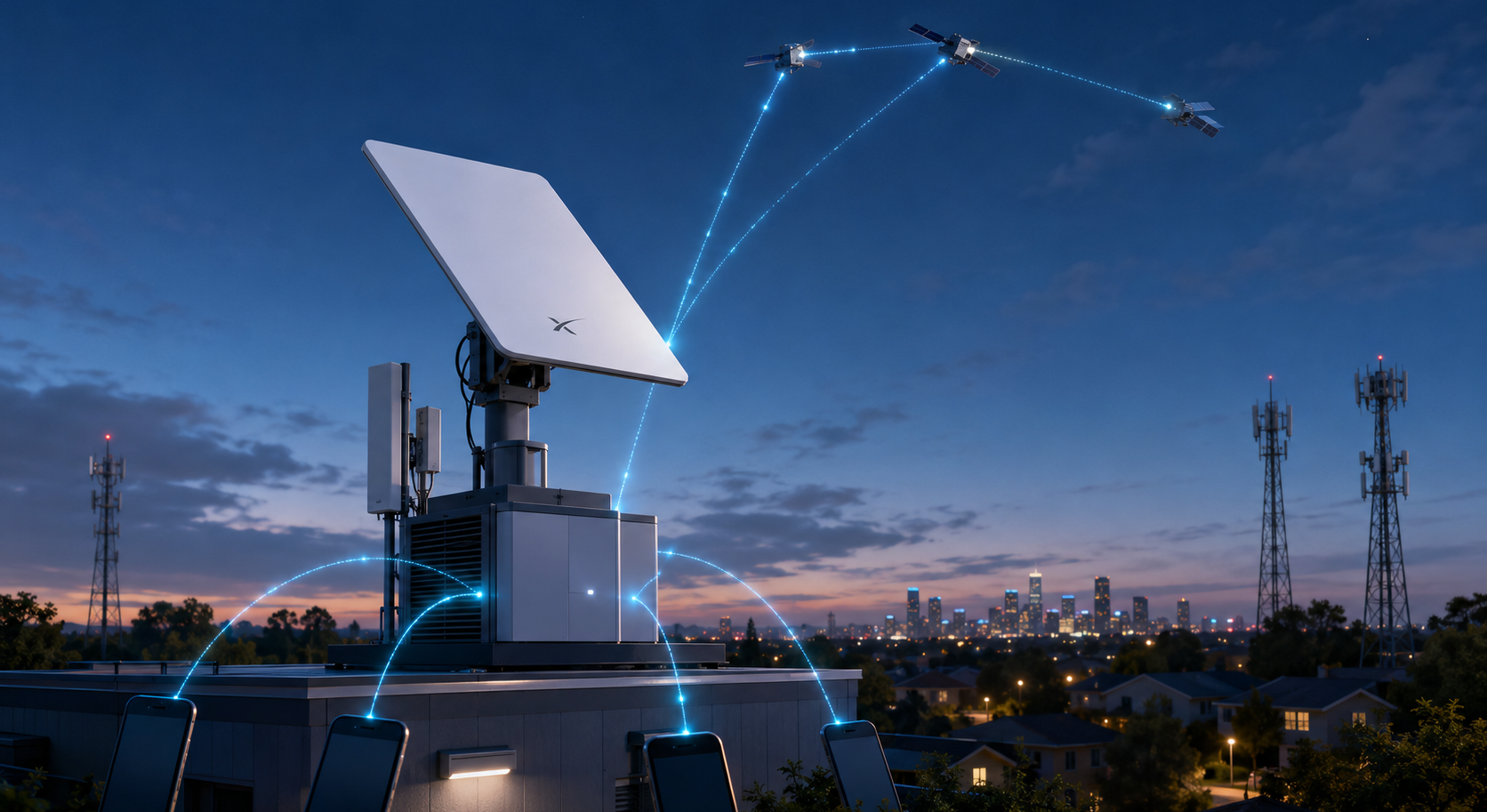
The plan pairs satellites with a distributed web of small ground stations, potentially snapping "little femtocells" onto the existing hardware that holds Starlink dishes. SpaceX's $19.6 billion EchoStar deals add 65 MHz of spectrum to the 5 MHz its current direct-to-cell service borrows through carrier partners.
Next-generation mobile satellites are slated for a 2027 launch, with upgraded service targeted for late that year. |
Image created with ChatGPT |
President Gwynne Shotwell claims the extra spectrum and satellites will make Starlink Mobile "100 times better," while Elon Musk predicts higher bandwidth than today's carriers. The pitch: eradicating dead zones, shoring up disaster coverage, and less reliance on giant towers. Awkwardly, current partner T-Mobile is also one of the targets SpaceX hopes to steal subscribers from.
Reality is still buffering. The incumbent trio hoards roughly 1,000 MHz of spectrum and entrenched infrastructure, while SpaceX has not disclosed costs.
Analysts say a nationwide service may require an acquisition or carrier wholesale deal—assuming a future rival volunteers to carry its traffic. Plus, Amazon just filed for its own 5,105-satellite mobile network, though Amazon claims it wants to partner with carriers rather than crush them.
The Big Three may soon need a bigger family plan. |
|
| |
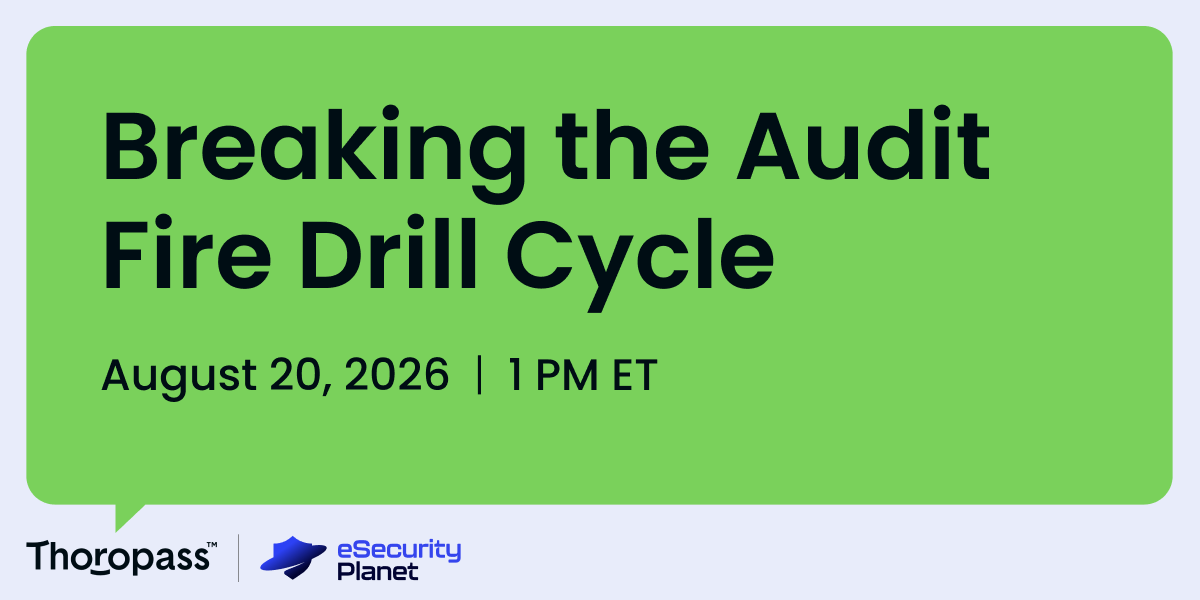
42% of organizations still rely on internal teams to bridge the gap between audit readiness and audit execution.
Join eSecurity Planet and Thoropass for Breaking the Audit Fire Drill Cycle on Aug. 20, 2026, at 1:00 p.m. ET and learn how leading organizations are reducing audit delays, easing evidence collection burdens, and creating more predictable audit outcomes. |
|
|
|
Most AI Security Patches Miss the Mark |
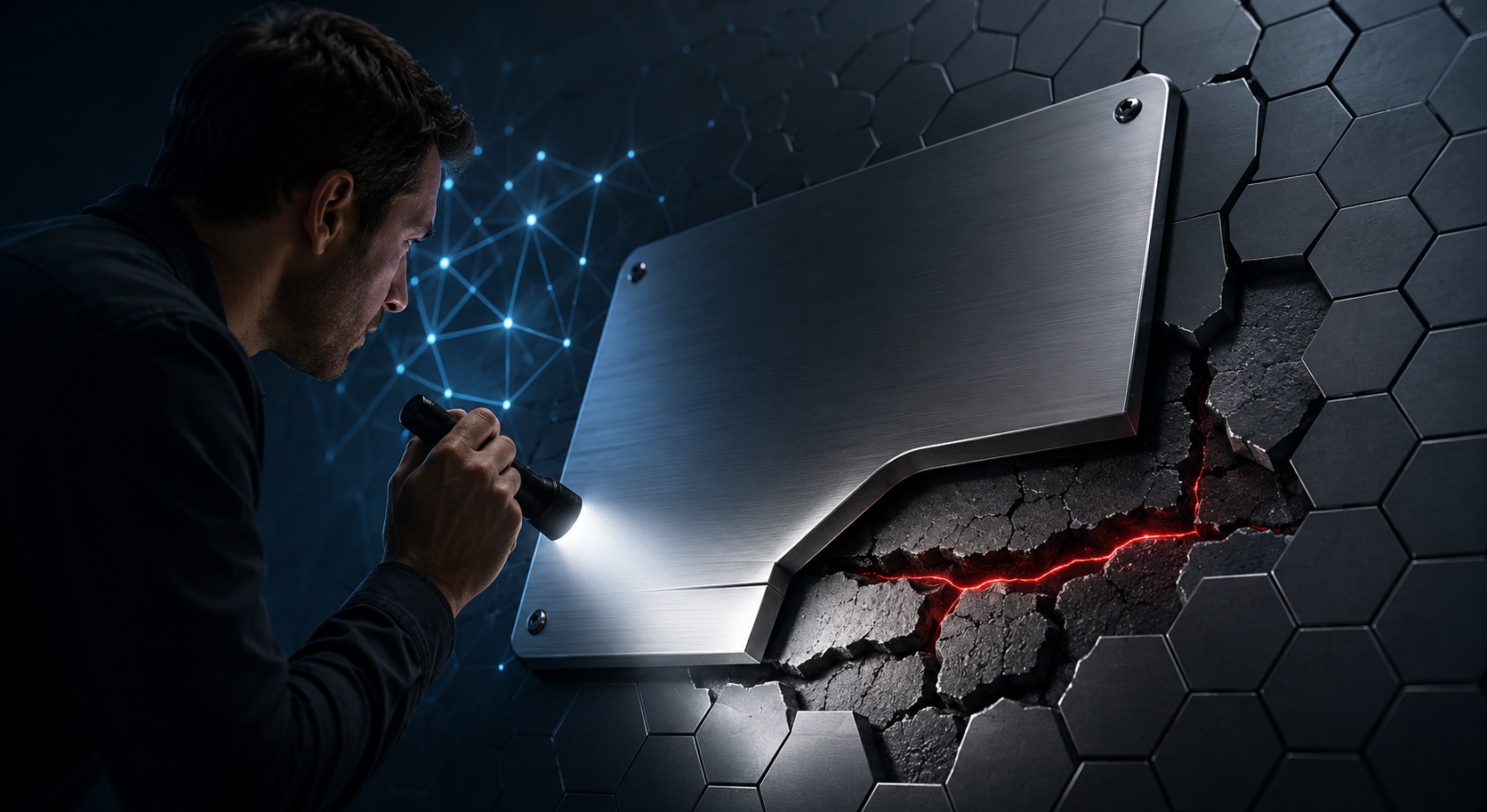
Image created with ChatGPT |
Feeding these bots bad guidance plummeted their success rate to 15.2%. Even among the "working" repairs, more than a third were still fragile, slapping a band-aid on a specific exploit rather than curing the underlying disease.
Always test these AI tools against your own repositories before letting them loose, mandate expert human reviews, and absolutely never auto-merge. A patch that merely looks fixed is just a vulnerability wearing business casual. |
Private Relay Can Leak Your Real IP Address |
Security experts uncovered a trio of WebKit loopholes—DNS prefetching, passkey-related WebAuthn requests, and WebTransport—that sidestep iCloud Private Relay to broadcast a user's real IP address or DNS history.
A malicious site can silently force a WebAuthn request without popping up a passkey prompt; fortunately, the passkey cryptography itself isn't compromised.
The leaks impact Safari on both iOS and macOS, along with WebKit proxy browsers like Onion Browser. Apple is investigating but has not announced a fix. Given that their recent Hide My Email bug—which ironically leaked users' real email addresses—took over a year to patch, you might be waiting a while.
If anonymity matters, use a reputable, properly configured device-wide VPN until Apple actually releases a patch. Alternatively, Tor and the Psylo browser mitigate the issue by disabling the leaky features. You can test your exposure at leaks.psylo.app. Private Relay apparently found three very public detours. |
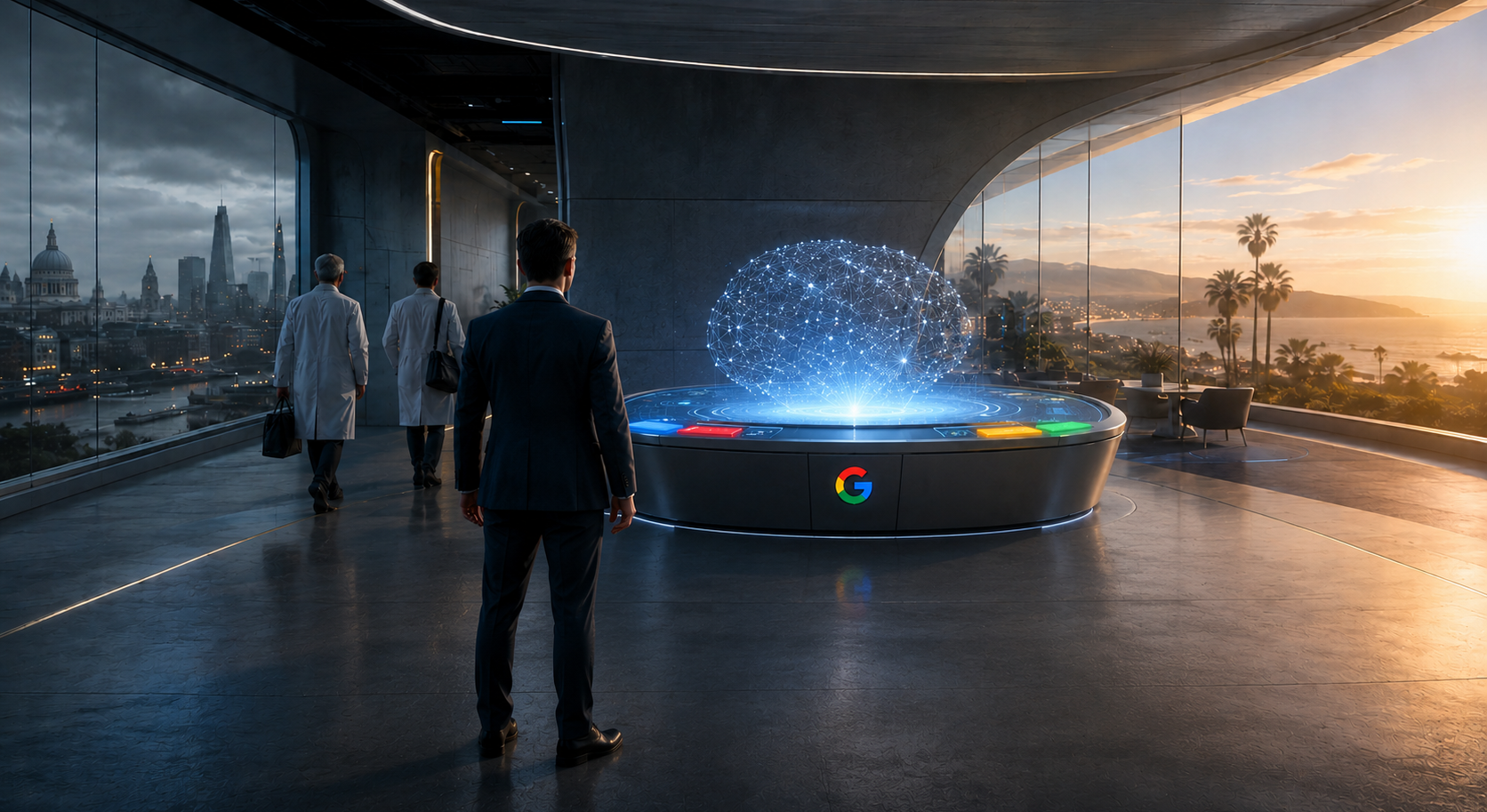
Google Reshuffles AI Leadership as Veterans Exit |
Image created with ChatGPT |
Dean is capping a 27-year run to launch Discovery Loop, an AI science startup, taking heavy-hitters like Sanjay Ghemawat and Quoc Le with him. Alphabet is investing and supplying cloud capacity, keeping one hand on the talent it just lost.
Still, the broader exodus is staggering: Nobel laureate John Jumper recently defected to Anthropic, and the ongoing talent hemorrhage now includes all eight authors of Google's landmark 2017 transformer paper.
The timing stings: Gemini 3.5 Pro is reportedly months late, Google trails in AI coding, and Alphabet stock took a 4% hit. The sunny spin is that a streamlined command chain might actually ship products instead of just research papers. The org chart is optimized; now Gemini has to compile. |
|
|
|
| Writer/Editor at TechnologyAdvice |
Justin Meyers is an investigative writer and editor who draws on over a decade of meticulous hands-on research to deliver the full, trustworthy story behind consumer and enterprise tech, including cybersecurity. |
|
|
|
Curious about where AI is really headed? |
The Neuron cuts through the noise to bring you smart, hype-free takes on the latest AI trends, tools, and breakthroughs. Join 700,000+ professionals from top companies like Microsoft, Apple, Salesforce, and more.
|
|
|
|
Advertise in Daily Tech Insider! Daily Tech Insider is a TechnologyAdvice business. © 2026 TechnologyAdvice, LLC. All rights reserved.
TechnologyAdvice, 3343 Perimeter Hill Dr., Suite 215, Nashville, TN 37211, USA. |
|
|
|
|