The attack surface keeps expanding. |
Today's stories span exposed threat actor infrastructure, software failures, and a wearable tech ban.
Read past newsletters here. |
|
|
|
Here’s what you need to know: |
|
|
|
Threat Actors Backdoor Thousands of WordPress Sites |
A simple operational mistake by a cybercrime group gave researchers an unusual opportunity to examine how large-scale website compromises are planned and executed.
Researchers found that the WP-SHELLSTORM group left an internal server exposed, revealing the tools and infrastructure used to automate attacks against outdated WordPress and Joomla systems. |
Although more than 1.4 million websites appeared on target lists, researchers confirmed far fewer compromises and found the group initially focused on stealing enterprise cloud credentials. Patch internet-facing CMS platforms, remove unused plugins, and routinely scan for unexpected webshells and suspicious processes. |
Telstra Outage Disrupts Critical Services |
A software issue at Australia's largest telecom provider caused a 12-hour nationwide outage. Rail communications, freight operations, electronic payments, and some emergency calls were disrupted, highlighting critical infrastructure’s dependence on resilient telecom networks. Although Telstra found no evidence of a cyberattack, the outage prompted a government investigation and showed the importance of building resiliency.
Review your business continuity plans to identify telecom single points of failure and validate that backup communications and payment systems can operate during extended carrier outages. |
New York Courts Ban Smart Glasses |
New York is prohibiting camera-equipped smart glasses in all 1,240 state courts beginning July 20, requiring visitors to surrender devices before entering courthouse facilities.
The statewide policy applies to Meta Ray-Bans and other wearable devices with cameras or recording capabilities, reflecting growing concerns about unauthorized recording in court facilities. This move also signals that organizations may need to update wearable device policies for employees working in sensitive environments.
Add smart glasses and other AI-enabled wearables to your organization's device policies so employees understand where these technologies are prohibited before arriving at sensitive facilities. |
|
|
|
Should smart glasses be allowed in sensitive facilities? |
|
|
|
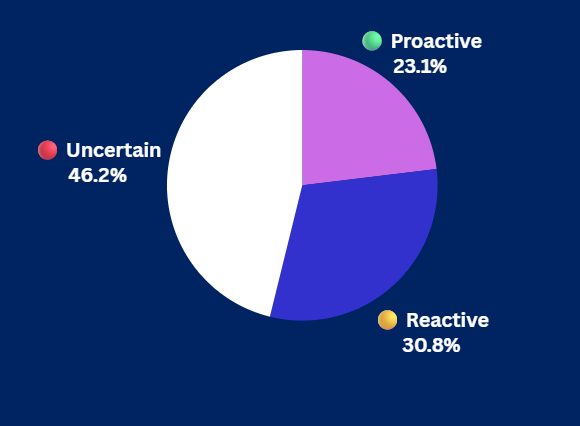
Yesterday's Pulse Check Results |
Where does your SQL injection defense stand today? |
|
|
|
Security Tools You Can Use |
-
Stay ahead of threats — explore the best cybersecurity tools and lock down your business today.
-
Simplify compliance — get ready-to-use security policies to help protect your business without the cost or complexity of an enterprise, all for under $100.
-
Protect your business from threats — get 30% off Bitdefender’s powerful cloud and on-premise protection today.
|
|
|
|
Progress Flags ShareFile Security Threat |
Progress Software is advising customers to shut down ShareFile Storage Zone Controller servers due to a credible security threat.
Although Progress has not disclosed the specific threat or confirmed any compromises, organizations should prioritize containment, preserve forensic evidence, and monitor for credential abuse. |
Progress says there is currently no indication that customer data or ShareFile accounts have been accessed without authorization, but its investigation remains ongoing.
If you operate ShareFile Storage Zone Controllers, keep affected servers offline and verify backup integrity before beginning any recovery or restoration efforts. |
Google Ships Chrome 150 Security Update |
Google has released Chrome 150 for Android, introducing a long-requested in-browser back button alongside dozens of security updates.
While Chrome 150 introduces a redesigned Android menu with a new in-browser back button, it also delivers 27 security fixes, including patches for two critical vulnerabilities and multiple high-severity flaws. Security teams should ensure browser updates are included in their endpoint patch management process.
Verify that managed Android devices are receiving Chrome updates automatically and monitor for suspicious activity on mobile devices. |
|
|
|
Smart glasses, smartwatches, and health devices are becoming more common in both personal and professional settings. As wearables gain access to cameras, microphones, location data, and apps, they also increase the risk of data exposure if left unsecured. |
How to reduce wearable security risks: |
-
Keep wearable firmware updated, use phishing-resistant MFA for connected accounts, and regularly remove old or unused devices from your account.
- Review app permissions and privacy policies, and disable cameras, microphones, Bluetooth, Wi-Fi, and location services when they are not needed.
- Do not bring wearable devices into restricted environments such as courtrooms, healthcare facilities, or other areas where sensitive information is handled.
|
Reviewing wearable device settings and following organizational security policies can help reduce unnecessary security and privacy risks. |
|
|
|
|
Ken Underhill is an award-winning cybersecurity professional, bestselling author, and seasoned IT professional. He holds a graduate degree in cybersecurity and information assurance from Western Governors University, bringing years of hands-on experience to the field. |
|
|
|
Cybersecurity Insider is a TechnologyAdvice business |
© 2026 TechnologyAdvice, LLC. All rights reserved. |
TechnologyAdvice, 3343 Perimeter Hill Dr., Suite 215, Nashville, TN 37211, USA. |
|
|
|
|