Defenders have plenty to watch today |
Today's stories feature GitHub recon campaigns, actively exploited web vulnerabilities, destructive breaches, resilient cybercrime ecosystems... and embedded devices that refuse to age out of risk. Read past newsletters here. |
|
|
|
Here’s what you need to know: |
|
|
|
Ghost GitHub Accounts Target Corporate Repos |
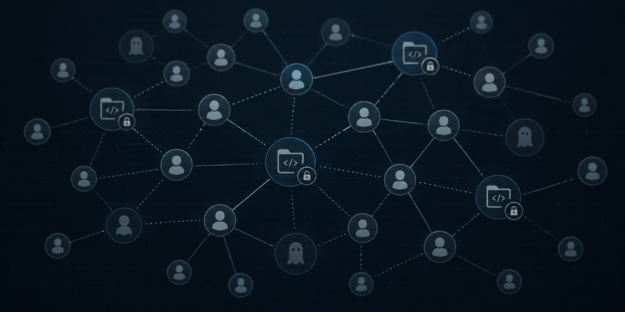
Researchers uncovered coordinated campaigns using more than 50 dormant GitHub accounts to map organizations, developers, and repositories before attempting source code theft. Attackers used dormant GitHub accounts and the platform's API to map organizations and target private repositories with stolen OAuth and personal access tokens.
|
The campaigns remain active in the wild at the time of publication.
Enable GitHub audit log streaming, monitor for unusual API activity and Git clone events, and investigate unexpected OAuth or personal access token usage tied to private repositories. |
Attackers Exploit Django SQL Injection Flaw |
Researchers confirmed active exploitation of a SQL injection vulnerability affecting Django applications using GeoDjango with the PostGIS backend. The flaw enables attackers to inject malicious SQL through raster field lookups, potentially exposing sensitive data or modifying database records. Django already released a patch for this issue back in February. Patch to the latest version, then review logs for unusual raster parameter requests, unexpected database errors, and suspicious SQL query activity to identify potential exploitation attempts. |
Mount Royal University Confirms Data Theft |
A Canadian university confirmed attackers stole sensitive files and deleted data following a cyberattack. The breach affected file shares used by students and employees, while a separate departmental drive was wiped, complicating recovery efforts.
Claimed by the CMD Organization ransomware group, the attack highlights the growing risk to higher education institutions that store large volumes of sensitive personal, academic, and administrative data.
Verify that critical file shares are protected with offline or immutable backups, and regularly test recovery procedures to ensure data can be restored even if attackers delete production systems. |
|
|
|
Where does your SQL injection defense stand today? |
|
|
|
Yesterday's Pulse Check Results |
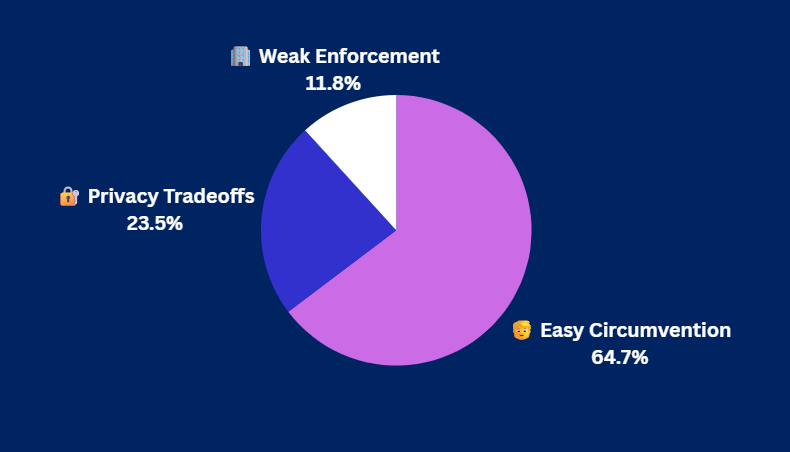
What's the biggest obstacle to making age verification actually work? |
|
|
|
Security Tools You Can Use |
|
|
|
Cybercrime Markets Rise After Tudou |
The shutdown of the $12 billion Tudou Guarantee marketplace quickly gave rise to successor platforms that absorbed its vendors, infrastructure, and customers. Flare found successors like Tiancheng, Ouyi, and Timi now operate independently of each other, while supporting phishing, account takeovers, money laundering, and other cybercrime. |
The shift demonstrates that marketplace takedowns often disperse, rather than disrupt, cybercrime.
Expand threat intelligence monitoring beyond major underground marketplaces by tracking emerging Telegram channels, cryptocurrency wallet activity, and newly established fraud platforms that may signal evolving attacker infrastructure. |
Aging Embedded Devices Create Security Risks |
Long-lived OT, IoT, and embedded devices face growing risk as aging software meets AI-assisted attacks. Many embedded devices cannot be patched frequently, limiting visibility into the firmware, third-party libraries, and software components that introduce risk.
This is especially challenging for organizations that rely on industrial control systems and other critical infrastructure where software often remains in service for decades. Build a binary-validated inventory of deployed firmware and continuously correlate it against newly disclosed vulnerabilities so security teams can prioritize exploitable risks and apply compensating controls when patching is not feasible. |
|
|
|
Is Your SDLC Secure Enough? |
As AI accelerates software development while also introducing new security risks, organizations need to protect development pipelines, open-source dependencies, AI-generated code, and exposed secrets. |
How to reduce software development risk: |
-
Build security into development by following secure coding practices, conducting peer code reviews, and protecting secrets with dedicated secrets management instead of storing credentials in source code.
-
Use DevSecOps tools to automate SAST, DAST, and software composition analysis (SCA) throughout the CI/CD pipeline so vulnerabilities and risky dependencies are identified early.
-
Protect software integrity by signing and verifying software artifacts to help ensure code and builds have not been tampered with before deployment.
|
Embedding these practices into the software development lifecycle helps reduce risk, improve software integrity, and support more resilient application delivery. |
|
|
|
|
Ken Underhill is an award-winning cybersecurity professional, bestselling author, and seasoned IT professional. He holds a graduate degree in cybersecurity and information assurance from Western Governors University, bringing years of hands-on experience to the field. |
|
|
|
Cybersecurity Insider is a TechnologyAdvice business |
© 2026 TechnologyAdvice, LLC. All rights reserved. |
TechnologyAdvice, 3343 Perimeter Hill Dr., Suite 215, Nashville, TN 37211, USA. |
|
|
|
|