One overlooked gap can change everything. |
From privileged access and cloud identity to Linux virtualization and convincing job scams, today's headlines reveal where attackers are finding their next opportunity.
Read past newsletters here. | |
|
|
Here’s what you need to know: |
|
|
|
BeyondTrust Fixes Authentication Bypass Flaws |
BeyondTrust patched four vulnerabilities in its Remote Support (RS) and Privileged Remote Access (PRA) platforms, including two authentication bypass flaws. The vulnerabilities affect self-hosted RS and PRA deployments running version 25.3.2 and earlier, while BeyondTrust has already patched cloud-hosted environments. |
Because these platforms provide privileged access to critical enterprise systems, successful exploitation could enable unauthorized access, lateral movement, or disruption of remote operations. If you operate a self-hosted BeyondTrust environment, upgrade immediately, review authentication configurations, enforce phishing-resistant MFA, and closely monitor privileged account activity for signs of unauthorized access. |
Januscape Vulnerability Breaks Linux VM Isolation |
A Linux kernel flaw, dubbed Januscape, could allow attackers to escape a virtual machine and compromise the underlying host.
The roughly 16-year-old vulnerability affects Intel and AMD-based KVM systems and, with root access inside a guest VM, could enable host compromise, disrupt neighboring VMs, or trigger DoS. A patch has already been released for the issue.
After patching, verify /dev/kvm permissions, enforce least privilege for guest VMs, and monitor hypervisor logs for signs of privilege escalation or unexpected kernel activity. |
Azure CLI Attack Exposes MFA Gaps |
A password spray campaign targeting Azure CLI generated 81 million login attempts and compromised at least 78 Microsoft accounts by exploiting Conditional Access gaps.
Attackers abused the Azure CLI Resource Owner Password Credentials (ROPC) sign-in flow, exposing gaps in Conditional Access policies that were too narrowly scoped or lacked full MFA enforcement. The campaign shows how incomplete Microsoft 365 and Entra ID identity policies can leave organizations exposed even when MFA is enabled.
Review your Conditional Access policies to ensure they cover all cloud apps, verify Azure CLI sign-ins are protected, disable unnecessary ROPC usage, and investigate Entra ID logs for noninteractive authentication activity. |
|
|
|
How confident are your Linux security skills? |
|
|
|
Yesterday's Pulse Check Results |
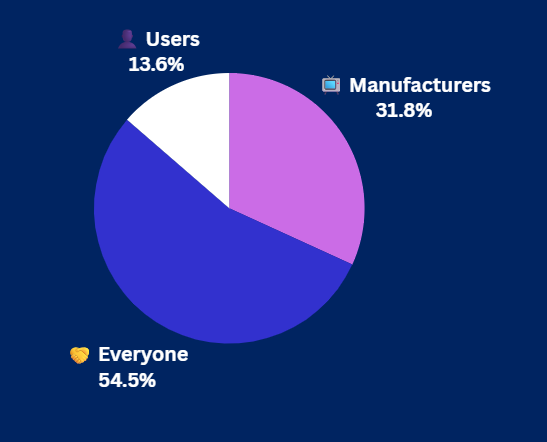
Who should be responsible for securing Android-based smart devices? |
|
|
|
Security Tools You Can Use |
|
|
|
Job Scam Targets Google Logins |
A phishing campaign impersonating more than 30 brands is targeting Google account credentials. The campaign abuses legitimate services, including the PeopleForce HR platform and Salesforce Marketing Cloud, to redirect victims to a fake Google sign-in page using a browser-in-the-browser technique. |
It highlights how attackers continue blending trusted platforms with convincing recruiter impersonation to run job scams. Train employees to verify recruiting invitations through official company career sites, inspect sign-in pop-ups for browser inconsistencies, and use phishing-resistant MFA to reduce the impact of credential compromise. |
Vietnam Busts HiAnime Piracy Network |
Vietnamese authorities arrested seven suspects accused of operating the HiAnime piracy service following a multi-year international investigation.
Investigators allege the group operated more than 100 piracy websites hosting over 26,000 unauthorized anime titles and generated approximately $12.85 million in advertising revenue. The case highlights growing international law enforcement cooperation against large-scale piracy operations and signals increased enforcement against operators.
Organizations in the media and entertainment industry should continuously monitor for brand abuse and pirated content while coordinating with industry groups and law enforcement to support rapid takedown efforts. |
|
|
|
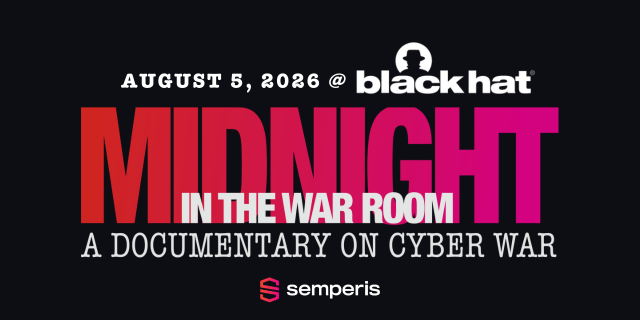
If you could ask a frontline cyber warrior one question about the true impact of a cyberattack, what would it be? On August 5 at Black Hat USA 2026, you’ll get the answers you’re seeking.
Join Semperis and the global cybersecurity community for the premiere of Midnight in the War Room, a raw documentary capturing the pressure, decisions, and personal toll behind modern cyber defense. Cyber resilience has become a leadership imperative—and the stakes have never felt more human. See you in Las Vegas. |
|
|
|
Protect Yourself From Job Scams |
Job scams are becoming more convincing, using AI and trusted brands to steal credentials, sensitive data, and money, making it essential to verify every opportunity before engaging. |
How to reduce risk from job scams: |
- Verify recruiters and job opportunities by confirming recruiter identities on official company websites or LinkedIn and applying only through legitimate career pages.
-
Inspect links and login prompts carefully by checking for legitimate company domains, avoiding lookalike websites, and being wary of unexpected payment requests or urgent hiring demands.
-
Enable phishing-resistant MFA using passkeys or security keys to help protect your accounts even if your credentials are stolen.
|
A few extra minutes spent verifying recruiters, websites, and login requests can make the difference between landing a legitimate opportunity and falling victim to a scam.
|
|
|
|
|
Ken Underhill is an award-winning cybersecurity professional, bestselling author, and seasoned IT professional. He holds a graduate degree in cybersecurity and information assurance from Western Governors University, bringing years of hands-on experience to the field. |
|
|
|
Cybersecurity Insider is a TechnologyAdvice business |
© 2026 TechnologyAdvice, LLC. All rights reserved. |
TechnologyAdvice, 3343 Perimeter Hill Dr., Suite 215, Nashville, TN 37211, USA. |
|
|
|
|