Mind the margin, Tech Insiders. AI keeps getting sharper, even as memory costs spike and extensions misbehave, turning "free" upgrades into line-item expenses.
Let's tally what innovation just added to the tab. |
|
|
|
Here's what you need to know today: |
|
|
|
GPT‑5.5 Instant Gets Brainier Updates |
ChatGPT just level-jumped; think sitcom sidekick to savvy cohost.
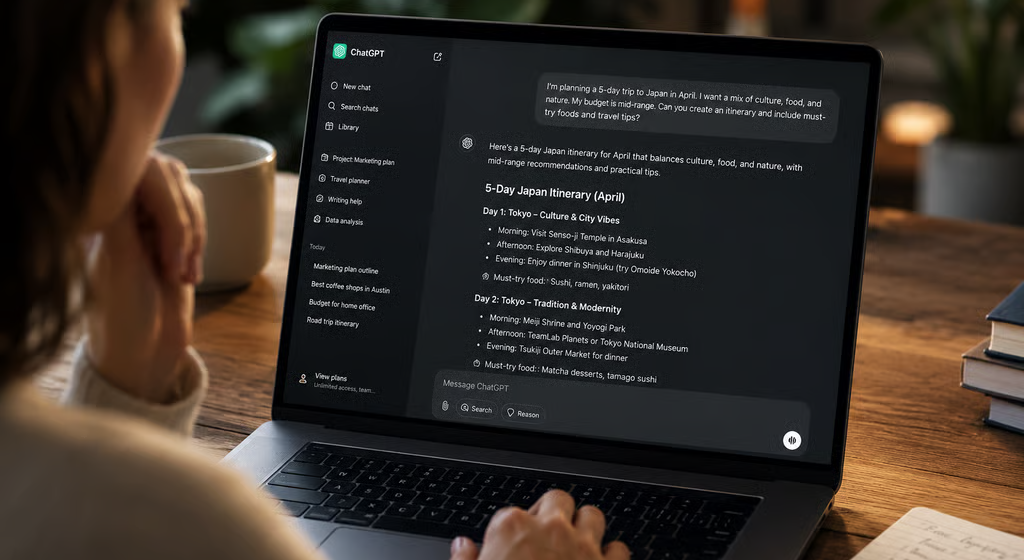
OpenAI rolled out a major tune-up for GPT-5.5 Instant, the default model behind ChatGPT. The refresh makes the bot far better at reading what you actually want, honoring every constraint you toss at it, and stitching text, business info, and images into coherent answers rather than stubbornly repeating its old mistakes.
Commerce gets a special boost: the model now clarifies requirements, compares options, and justifies picks—handy for everything from laptop hunting to local lunch spots.
And while the upgrade is purely software, it arrives alongside news of OpenAI's in-house Jalapeño inference chip, hinting at even speedier, cheaper responses ahead. |
Image created with ChatGPT |
Not to be outdone on the very same day, Google armed Gemini 3.5 Flash with native "computer use." Yes, its AI can now literally click and type through your desktop's interface for you (what could possibly go wrong?).
Why it matters: Expect more on-point replies, fewer "sorry if I misunderstood" backflips, and smarter recommendations, whether you're coding, shopping, or planning a road trip. For businesses, that translates into slicker customer chatbots and sharper in-house copilots that actually remember your instructions. For everyone else? Fewer facepalms per prompt. |
|
|
|
Will GPT‑5.5 Instant's upgrade change how you use ChatGPT? |
|
|
|
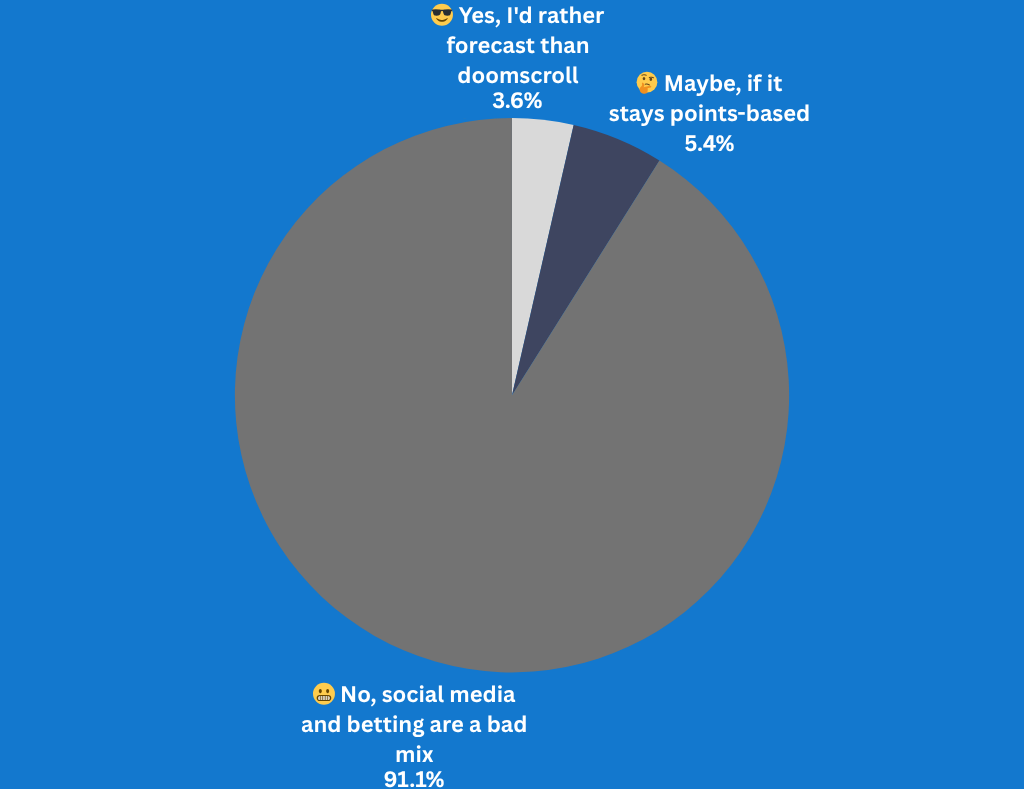
Results from Yesterday's Pulse Check |
Would you use a Meta prediction market app? |
|
|
|
Free Windows 10 Security Updates Just Changed Your Upgrade Deadline |
Turns out Windows 10 isn't ready for retirement just yet.
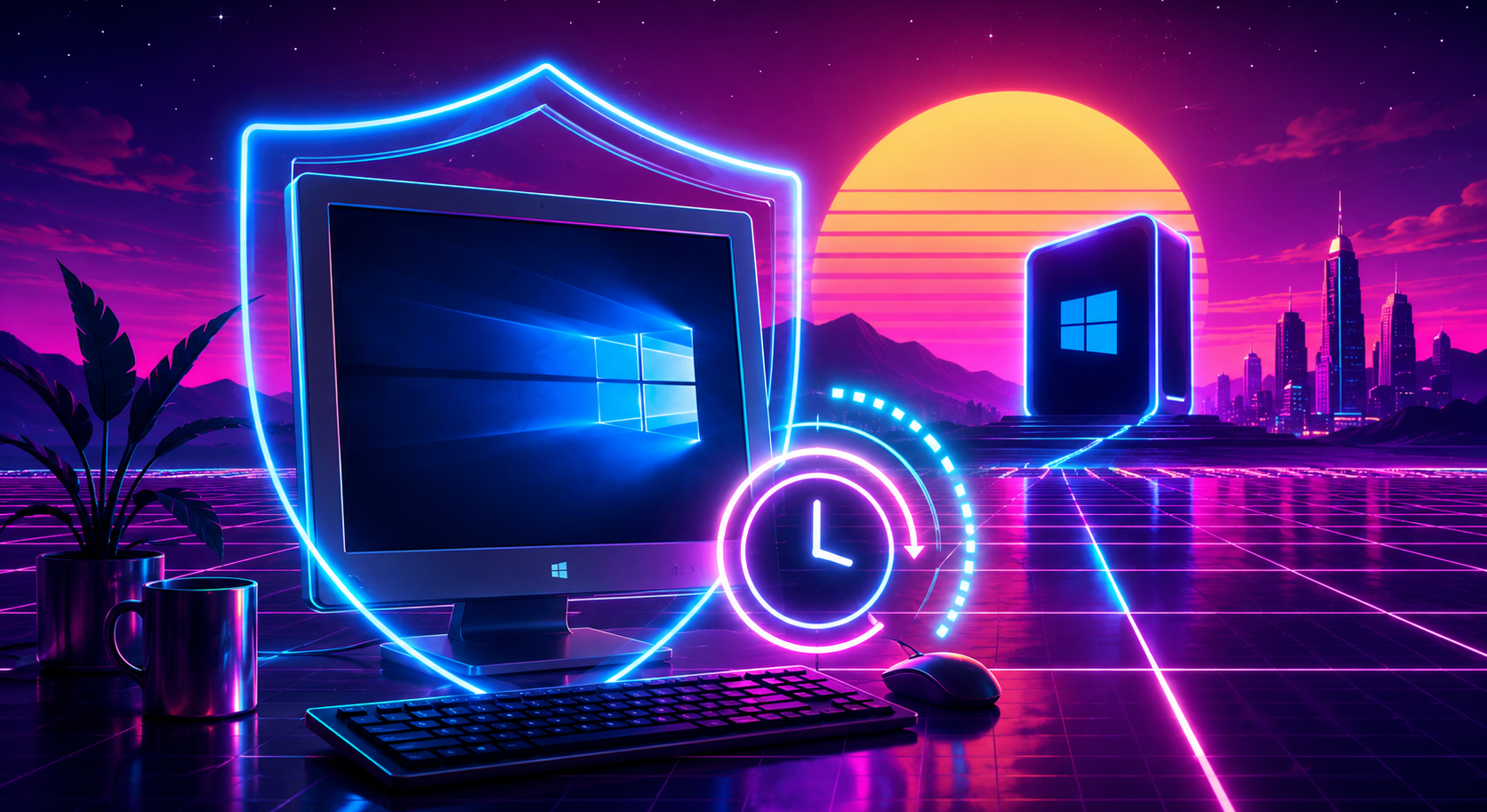
Microsoft has quietly tacked an extra year onto its consumer Extended Security Updates program for Windows 10. Instead of cutting off security patches in October 2026, enrolled PCs will now stay protected until October 12, 2027. (Sorry, enterprise users, this one is just for personal devices.)
The extension means holdouts get another 12 months of critical fixes without shelling out for new hardware. You can still pay $30 or trade 1,000 Microsoft Rewards points, but syncing your settings remains the no-cost route (or just logging in with a Microsoft account if you're in the European Economic Area), and any device already enrolled is covered automatically. |
Image created with ChatGPT |
Why the change? Microsoft actually admitted the "extension provides customers with more time to transition to a new Windows 11 PC." Translation: sky-high RAM prices and stricter Windows 11 requirements have left millions clinging to older machines. Another year of patches lowers the risk of mass unpatched PCs, while Redmond pushes Copilot+ PCs and waits for your upgrade budget to recover.
Upgrade procrastinators, your snooze button just got one more tap. |
|
| |
Plenty of companies can launch an AI pilot. Far fewer know how to make it stick. Explore this resource hub, sponsored by Dell AI Factory with NVIDIA, for strategies, decisions, and real-world lessons on turning AI into something scalable, useful, and worth the investment. |
|
|
|
Chrome Ad Blocker Puts 10M+ Users at Risk |
Security researchers have flagged Adblock for YouTube, a Chrome extension with over 10 million installs, for hiding dormant code capable of injecting arbitrary JavaScript and hijacking browser sessions. |
Image created with ChatGPT |
Though no active exploits have been spotted yet, this risky pathway can be activated remotely through a server‑side toggle, bypassing standard update and review processes. Worse, a sloppy "youtube.com" URL test means the payload could fire on anything from Facebook to your online banking dashboard.
Uninstall the extension (and its removed sister variants) immediately, audit employee browsers, and tighten extension policies. Ops teams should monitor logs for requests to the extension's API servers and block all domains tied to the extension's backend. Guess those unskippable ads were the least of our worries. |
Gaslight Mac Malware Spoofs AI Analysts With Lies |
Researchers have unmasked Gaslight, a Rust‑built macOS backdoor linked to North Korea that embeds 38 fake crash messages to trick AI‑powered triage tools into aborting analysis. Once installed, the implant grabs browser data and keychain credentials, chatting with its operator via an encrypted Telegram bot. Because the bogus prompts live inside the binary, attackers can run their infostealer even if sandboxing works. To protect your pipelines, SentinelOne urges security teams to treat anything a sample "says" as hostile input and isolate sample content from LLM instructions.
Your AI helper can't spot lies if the malware wrote the script, but updating Apple's XProtect now blocks it. |
Apple's AI Memory Crunch Hits Wallets |
Apple just slapped up to 67% price hikes on Macs, iPads, HomePods, Apple TV, and even the Vision Pro, blaming a "hundred-year flood" in memory prices that CEO Tim Cook says is unlike anything he's seen in 40 years. Demand from AI data centers has pushed DRAM and NAND costs up roughly 4× since late 2025. Memory suppliers are prioritizing high-margin server chips, leaving consumer gear to fight for scraps.
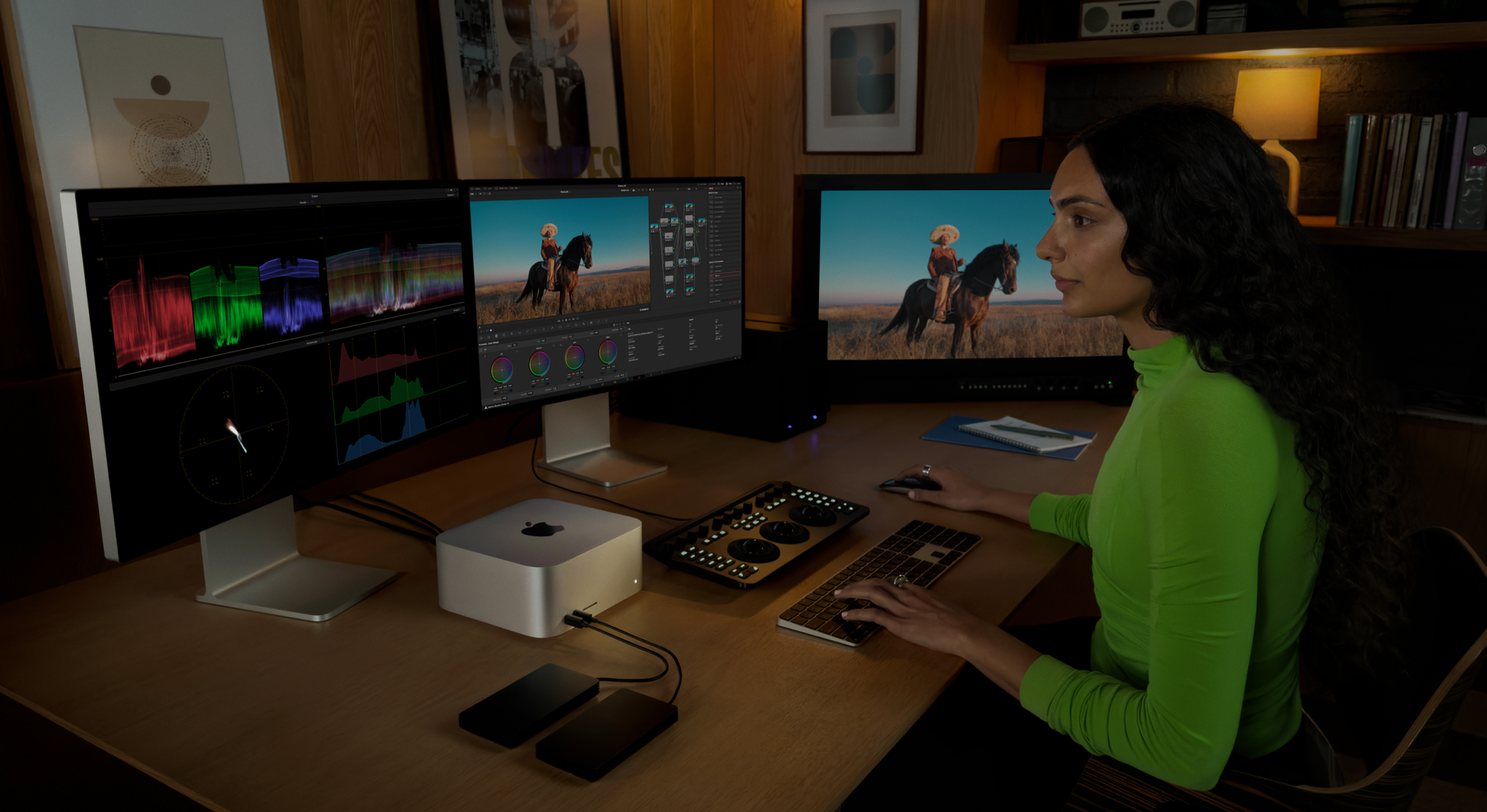
Apple's entry-level MacBook Neo now starts at $699 (+$100), while a Mac Studio M3 Ultra jumps a jaw-dropping $1,300 to $5,299. Cook warned more increases could follow, and investors punished the stock, knocking Apple shares down 6.1%.
|
For now, US iPhone and AirPod prices are safe, but that won't last. Compared to the iPhone 17 Pro, analysts project the upcoming iPhone 18 Pro could see a $200 price hike (starting at $1,299) to cover the 12 GB of memory required to run Apple's new AI features.
The sticker shock won't stop at Cupertino either. Microsoft is hiking Xbox prices by up to $150 and killing its 2 TB model, while PC makers prepare similar moves. Analysts say brands may trim discounts, axe low-margin SKUs, or lean harder on premium AI-ready models.
Bottom line? The AI gold rush is starting to tax everyone's gadget budget, not just the cloud giants bankrolling it. |
|
|
|
| Writer/Editor at TechnologyAdvice |
Justin Meyers is an investigative writer and editor who draws on over a decade of meticulous hands-on research to deliver the full, trustworthy story behind consumer and enterprise tech, including cybersecurity. |
|
|
|
Curious about where AI is really headed? |
The Neuron cuts through the noise to bring you smart, hype-free takes on the latest AI trends, tools, and breakthroughs. Join 700,000+ professionals from top companies like Microsoft, Apple, Salesforce, and more.
|
|
|
|
Advertise in Daily Tech Insider! Daily Tech Insider is a TechnologyAdvice business. © 2026 TechnologyAdvice, LLC. All rights reserved.
TechnologyAdvice, 3343 Perimeter Hill Dr., Suite 215, Nashville, TN 37211, USA. |
|
|
|
|