The attack surface keeps expanding. |
Today’s stories feature weaponized media files, software supply chain compromises, hidden malware, and a reminder that some critical infrastructure lessons still haven't been learned.
Read past newsletters here. |
|
|
|
Here’s what you need to know: |
|
|
|
FFmpeg Flaw Enables Remote Code Execution |
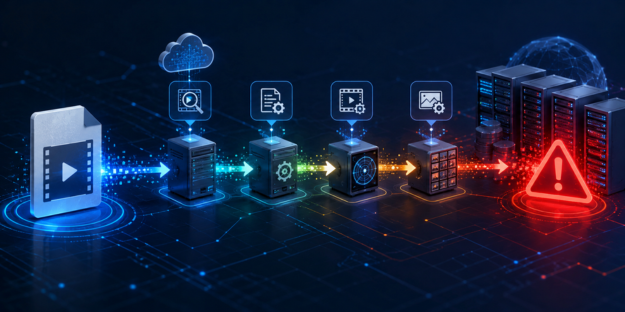
A FFmpeg vulnerability, dubbed PixelSmash, enables remote code execution via malicious video files. The flaw affects FFmpeg's MagicYUV decoder and can be triggered automatically during routine processes such as thumbnail generation and preview creation without user interaction. |
A patch has already been released for the vulnerability.
Inventory all FFmpeg-dependent applications in your environment, prioritize patching affected systems, and isolate media-processing services with least-privilege controls. |
Tata Breach Exposes Apple, Tesla Files |
An attack on Tata Electronics exposed more than 200,000 files, including confidential Apple and Tesla documents. The leaked data reportedly includes manufacturing specifications, engineering drawings, employee passport information, emails, and operational logs.
Tata is continuing to investigate the incident. Prioritize third-party risk assessments for vendors that handle proprietary designs or production data, and test incident response plans against scenarios with third-party compromise. |
Cordyceps Enables Repository Takeovers |
Researchers uncovered a vulnerability that lets attackers hijack software build pipelines and take over code repositories. Hundreds of exploitable attack chains were found across roughly 30,000 open-source and enterprise repositories, including projects tied to Microsoft, Google, Apache, and Cloudflare.
A single pull request or comment can lead to credential theft, cloud compromise, or malicious code injection, while AI tools may be spreading insecure CI/CD practices at scale. Add CI/CD workflow files to your secure code review process and specifically audit how low-privilege workflows pass data, artifacts, or credentials into higher-privilege automation pipelines. |
|
|
|
How far does your software supply chain visibility go? |
|
|
|
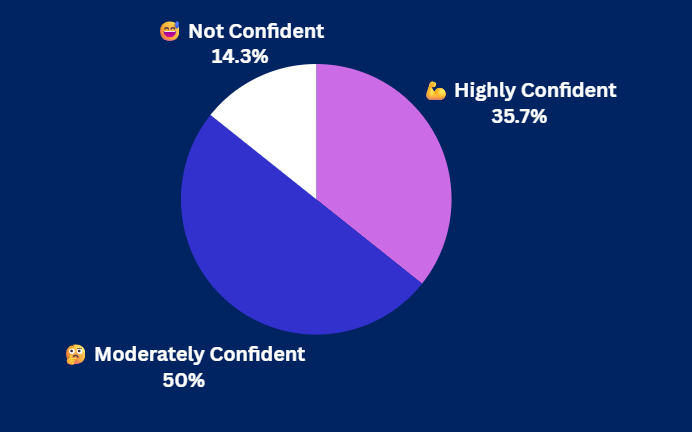
Yesterday's Pulse Check Results |
How confident are you in the security of your organization's hardware devices? |
|
|
|
Security Tools You Can Use |
|
|
|
Five Years Later, Same OT Risks |
Five years after the Colonial Pipeline attack, many organizations still face the same OT security challenges. The attack demonstrated how limited visibility between IT and OT environments can transform a cyber incident into a major operational disruption. |
Despite updated regulations and security frameworks, critical infrastructure remains a target for ransomware and nation-state actors.
Conduct tabletop exercises that assume your OT environment must remain operational during an IT ransomware incident and identify every visibility, segmentation, and decision-making gap before an active incident. |
FlutterShell Malware Targets macOS Users |
Researchers analyzed FlutterShell, a stealthy macOS backdoor that disguises itself as legitimate software and uses Google's Flutter framework to evade detection.
The malware remains dormant until activated by an attacker-controlled server, helping it evade sandboxes before establishing persistence and executing commands. Spread through malicious Google and YouTube ads, FlutterShell was delivered in signed applications that passed Apple's Gatekeeper protections.
Create EDR/XDR rules that alert on non-browser applications launching hidden WKWebView instances or making outbound HTTPS connections to newly observed domains. |
|
|
|
No matter your size, Vanta helps you automate compliance, manage risk, and prove trust continuously—all from a single, agentic platform. • Close deals faster by responding to security questionnaires in minutes, not days • Stay audit-ready year-round with continuous monitoring across 400+ integrations
• Automate compliance for SOC 2, ISO 27001, GDPR, HIPAA and more Over 16,000 companies around the globe trust Vanta. Watch the demo on your own time. Start anytime. |
|
|
|
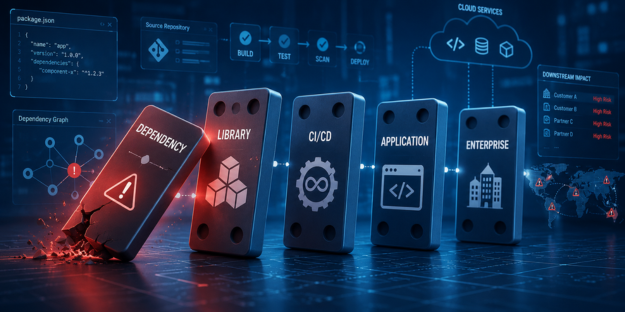
Can You Trust Your Dependencies? |
Software supply chain attacks have shown that compromising a single dependency or build process can create a ripple effect that impacts thousands of organizations downstream. |
How to reduce supply chain risk: |
- Maintain SBOMs and continuously monitor third-party risk.
-
Use DevSecOps tools for dependency scanning, auditing CI/CD workflows, and validating that build processes are protected from unauthorized changes.
- Digitally sign software releases and enforce least-privilege permissions to help limit the impact of successful compromise.
|
By improving visibility into dependencies, securing build environments, and monitoring third-party risk, organizations can help reduce the likelihood that a single weak link becomes a major incident. |
|
|
|
|
Ken Underhill is an award-winning cybersecurity professional, bestselling author, and seasoned IT professional. He holds a graduate degree in cybersecurity and information assurance from Western Governors University, bringing years of hands-on experience to the field. |
|
|
|
Cybersecurity Insider is a TechnologyAdvice business |
© 2026 TechnologyAdvice, LLC. All rights reserved. |
TechnologyAdvice, 3343 Perimeter Hill Dr., Suite 215, Nashville, TN 37211, USA. |
|
|
|
|