What looks harmless isn't always harmless. |
Today's stories feature hidden data sharing, browser extensions with ulterior motives, a pharmaceutical giant facing breach claims, a major malware disruption, and a reminder that AI security starts with visibility. Tell us what content you want to see on TechRepublic by taking this quick survey. Read past newsletters here. | |
|
|
Here’s what you need to know: |
|
|
|
Job Sites Caught Sharing User Data |
Millions of job seekers may be exposing more personal data than they realize when using online hiring platforms. An Incogni study found that eight of nine major job-search and networking platforms share or sell user data, often distributing information to advertisers, marketers, affiliates, and other third parties. |
This is why I always encourage people to create a fake email and Google Voice number to use for job applications and job board websites.
Review privacy policies on job board websites and consider creating separate email and phone numbers to use for your job search. |
105K Chrome Installs Linked to Adware Scheme |
More than 105,000 Chrome users installed extensions that secretly collected data and generated fake Google search traffic, according to Socket researchers. Researchers linked 152 wallpaper and new-tab Chrome extensions to a coordinated operation that collected user data despite privacy claims to the contrary.
The campaign highlights how seemingly benign browser extensions can create privacy and fraud risks, while also raising questions about extension review processes. Add browser extensions to your regular security audits and remove any add-ons that provide cosmetic features but request broad permissions or collect browsing-related data. |
Threat Actors Claim 1.3TB Novo Nordisk Data Theft |
A hacker group claims it stole 1.3TB of data from Novo Nordisk following months of unauthorized access. The breach raises broader concerns around intellectual property theft, competitive risk, and detecting credential abuse in complex research environments.
Novo Nordisk confirmed unauthorized access to limited internal systems, but did not validate the specific threat actor data claims. Audit developer credentials, API keys, and cloud repository access, and immediately revoke any credentials that are no longer tied to active projects or personnel. |
|
|
|
Should job-search platforms be required to clearly explain how they use your data, similar to GDPR-style notices?
|
|
|
|
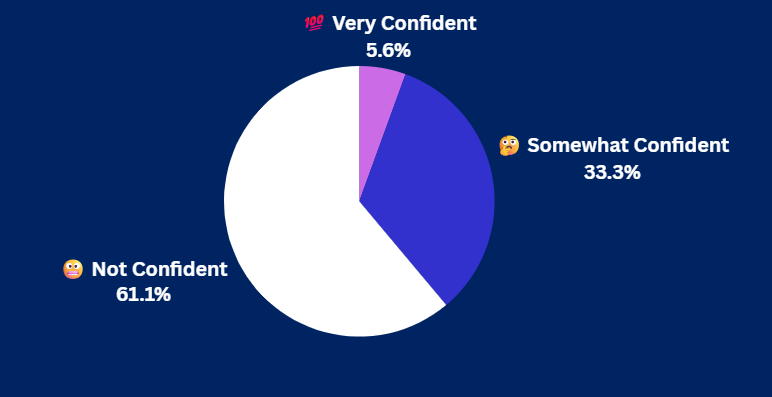
Yesterday's Pulse Check Results |
How confident are you that law enforcement can take down extortion gangs like ShinyHunters? |
|
|
|
Security Tools You Can Use |
-
Take a 2-minute survey on Cisco Secure Access and share your perspective on today’s security challenges.
-
Discover how platform teams are accelerating secure infrastructure delivery while maintaining governance and control at scale.
-
Find out how security teams gain complete visibility across cloud environments and detect issues before they become outages or incidents.
|
|
|
|
Operation Endgame Disrupts SocGholish Network |
An international operation disrupted infrastructure tied to TA569, the group behind the SocGholish malware campaign. Authorities seized more than 100 servers and domains and remediated nearly 15,000 compromised websites used to distribute SocGholish malware through fake browser update prompts. |
While the disruption targets a key ransomware access vector, researchers warn that similar web inject campaigns remain active and other threat actors may adopt the same tactics.
Add fake browser update scenarios to security awareness exercises so employees learn to verify updates through official browser menus rather than website prompts. |
Rethinking AI Security Strategy |
CNA’s secure AI adoption journey shows how organizations can support innovation without losing control of sensitive data. At Zscaler’s Zenith Live 2026, I spoke with CNA leaders about how a zero trust modernization effort improved security, improved UX, and generated more than $1 million in savings. Their experience also showed that visibility into AI usage can help organizations reduce shadow AI risks while building more effective governance and security controls. Before approving or blocking AI tools, review a sample of real user prompts to identify risky workflows, training gaps, and safe internal use cases. |
|
|
|
How Prepared Are You for Ransomware Attacks? |
Ransomware continues to be a risk for organizations, with attackers targeting cloud environments, backups, and other critical systems. |
How to reduce your ransomware risk: |
- Implement phishing-resistant MFA, least-privilege access, and zero trust solutions to reduce the risk of credential theft and limit blast radius of attacks.
-
Use EDR/XDR solutions, network segmentation, and continuous monitoring to identify suspicious activity early and protect against lateral movement.
-
Maintain immutable, offline backups and apply timely patches or use virtual patching to reduce exploitability of vulnerabilities and ensure resilience.
|
A layered approach that combines prevention, detection, containment, and recovery remains an effective strategy for reducing ransomware risk and ensuring resilience.
|
|
|
|
|
Ken Underhill is an award-winning cybersecurity professional, bestselling author, and seasoned IT professional. He holds a graduate degree in cybersecurity and information assurance from Western Governors University, bringing years of hands-on experience to the field. |
|
|
|
Cybersecurity Insider is a TechnologyAdvice business |
© 2026 TechnologyAdvice, LLC. All rights reserved. |
TechnologyAdvice, 3343 Perimeter Hill Dr., Suite 215, Nashville, TN 37211, USA. |
|
|
|
|