The cybersecurity headlines aren’t slowing down. |
Today’s news brings a $2M demand, active enterprise exploits, public PoC code, AI-powered phishing lawsuits… and regulators turning up the heat on OpenAI. Tell us what content you want to see on TechRepublic by taking this quick survey.
Read past newsletters here. |
|
|
|
Here’s what you need to know: |
|
|
|
Threat Actors Demand $2M From Nintendo |
A threat actor claims to have stolen Nintendo data and is seeking a $2 million ransom to keep it private. Researchers found signs that some leaked data may be authentic, including employee surveys, internal reports, workforce analytics, and records tied to current staff. |
Nintendo has not confirmed the allegations, and it remains unclear whether the data came from a direct compromise or a third-party employee engagement platform.
Review third-party platforms for excessive data retention and monitor vendor environments for unusual export activity that could signal data exfiltration. |
Oracle Warns of PeopleSoft Zero-Day |
Oracle issued guidance for a PeopleSoft vulnerability that researchers say has been actively exploited. The flaw can enable unauthenticated remote code execution, potentially giving attackers access to sensitive ERP systems.
Researchers observed exploitation between late May and early June, with universities among the primary targets. Apply the latest patch and review logs for unusual authentication activity and indicators of web shells. |
Researcher Drops BitLocker Exploit Code |
A security researcher released proof-of-concept code for a claimed BitLocker bypass, renewing debate over Microsoft's vulnerability disclosure practices.
GreatXML reportedly targets systems that previously ran Microsoft Defender Offline scans and may provide access to BitLocker-protected volumes, though researchers disagree on its real-world practicality. Its release, alongside the RoguePlanet exploit, highlights how quickly public PoCs can drive testing before security teams can fully assess their exposure.
Audit the use of Microsoft Defender Offline, restrict access to recovery partitions, and test whether endpoint hardening controls prevent unauthorized modifications that could be leveraged during recovery-environment attacks. |
|
|
|
If a critical RCE dropped this afternoon, how exposed would your organization be? |
|
|
|
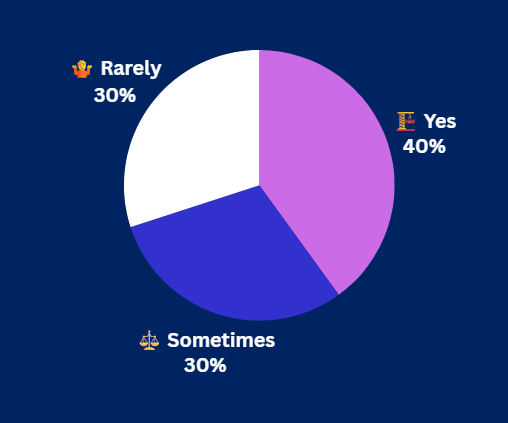
Yesterday's Pulse Check Results |
Do massive breach fines actually improve security? |
|
|
|
Security Tools You Can Use |
|
|
|
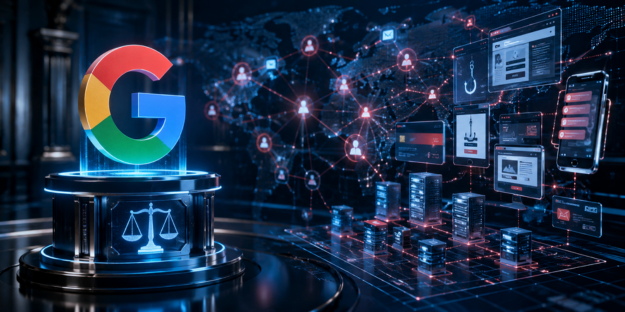
Google Sues Alleged Phishing Network |
Google sued an alleged China-based cybercrime group accused of using AI tools to scale phishing attacks. Court filings allege that Outsider Enterprise used AI to generate phishing content, operate thousands of fraudulent websites, and support a phishing ecosystem responsible for millions of scam messages. |
Google estimates the operation contributed to billions of dollars in losses and millions of stolen payment cards, highlighting how AI can help cybercriminals scale fraud and social engineering campaigns. Add AI-generated phishing simulations to security awareness programs and train employees to verify requests through trusted channels rather than relying solely on the appearance or quality of a message. |
OpenAI Draws Scrutiny From 42 States |
A 42-state coalition has launched an investigation into OpenAI's handling of ChatGPT user data and platform design.
The investigation examines ChatGPT’s data practices, protections for minors and seniors, and sycophancy, or chatbot behavior that reinforces user beliefs over accuracy or safety. This case points to growing scrutiny of AI governance, transparency, safety controls, and model behavior.
Review internal AI governance policies now and document how AI tools handle user data, personalization, and safety guardrails before regulators begin asking similar questions of enterprises deploying generative AI. | |
|
|
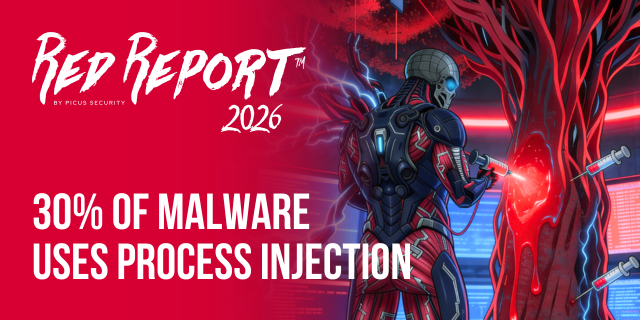
Attackers shifted strategy in 2026. 8 of the top 10 techniques now hide instead of destroy. Picus Labs analyzed 1.1 million malware samples to map how the Digital Parasite breaks in, stays quiet, and steals over time. See the full Red Report 2026. |
|
|
|
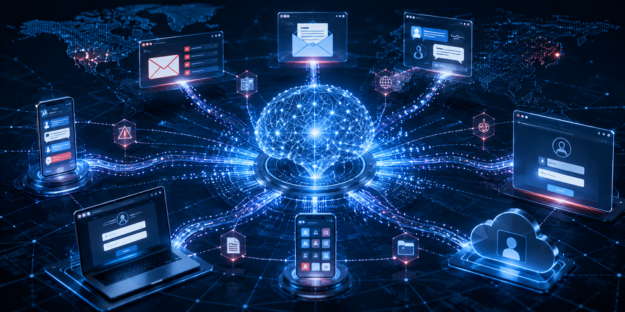
How Strong Are Your Phishing Defenses? |
Phishing attacks continue to evolve as threat actors use AI to create more convincing emails, text messages, and fake websites. |
How to reduce your phishing risk: |
- Deploy email security controls that filter malicious messages, block known phishing indicators, and reduce the number of threats that reach users.
- Train users to verify unexpected requests, inspect links before clicking, and report suspicious messages to security teams.
-
Adopt a Zero Trust approach that assumes phishing attempts will occasionally succeed by enforcing MFA, least-privilege access, and continuous verification to limit the impact of compromised accounts.
|
The goal is not to eliminate phishing entirely but to build resilient controls that reduce the likelihood of compromise and contain the blast radius.
|
|
|
|
|
Ken Underhill is an award-winning cybersecurity professional, bestselling author, and seasoned IT professional. He holds a graduate degree in cybersecurity and information assurance from Western Governors University, bringing years of hands-on experience to the field. |
|
|
|
Cybersecurity Insider is a TechnologyAdvice business |
© 2026 TechnologyAdvice, LLC. All rights reserved. |
TechnologyAdvice, 3343 Perimeter Hill Dr., Suite 215, Nashville, TN 37211, USA. |
|
|
|
|