A few small cracks can create big problems. |
Today’s stories feature a zero-day release for Microsoft Defender, an OpenSSL RCE risk, and researchers tricking AI with a phishing email.
Tell us what content you want to see on TechRepublic by taking this quick survey. Read past newsletters here. | |
|
|
Here’s what you need to know: |
|
|
|
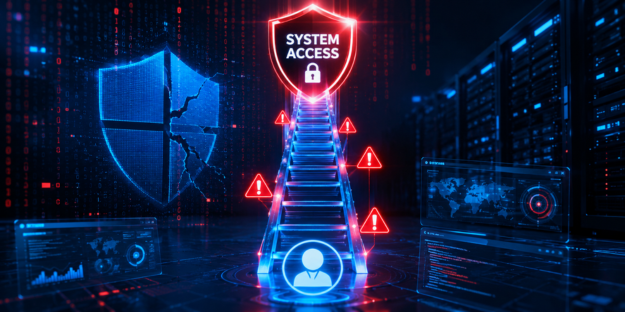
Microsoft Defender Zero-Day Grants SYSTEM Access |
A researcher disclosed a Microsoft Defender zero-day that enables SYSTEM-level access on fully patched Windows 10 and 11 devices. The vulnerability, which stems from a race condition in Microsoft Defender, was disclosed just hours after Microsoft patched two other flaws reported by the same researcher. |
There is no patch at the time of publication.
Review application allowlisting policies and restrict unauthorized command-line execution to help block post-exploitation activity, even if a local privilege escalation exploit succeeds. |
China-Linked Espionage Hits AI Sector |
China-linked actors accounted for 58% of state-sponsored attacks targeting technology companies, according to CrowdStrike. The report points to growing attacker interest in AI systems, cloud environments, and software supply chains.
As response windows shrink, security leaders should treat AI infrastructure and developer environments as critical assets.
Create a dedicated inventory of AI-related assets, including model APIs, training environments, cloud identities, and developer repositories, and prioritize them for continuous monitoring, access reviews, and threat hunting.
|
OpenSSL Vulnerability Puts Servers at RCE Risk |
An OpenSSL vulnerability could allow attackers to trigger remote code execution by sending specially crafted PKCS7 or S/MIME signed messages to vulnerable applications.
The flaw could lead to crashes, memory corruption, or potentially remote code execution in applications that use OpenSSL’s PKCS7 APIs for signature verification. OpenSSL has already released patches for the issue.
Identify PKCS7 and S/MIME workflows, then prioritize patching systems that process signed external content. |
|
|
|
How confident are you in your organization's ability to stop a zero-day? |
|
|
|
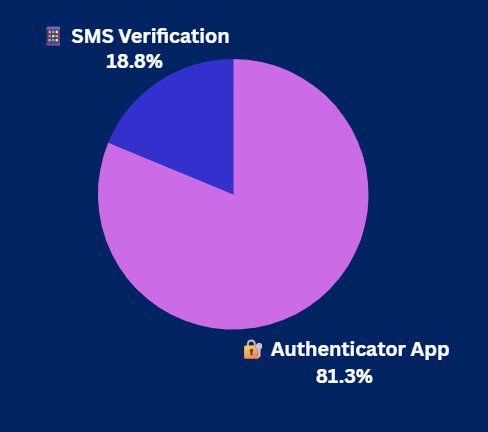
Yesterday's Pulse Check Results |
Which 2FA method do you trust most? |
|
|
|
Security Tools You Can Use |
-
Build your skills — earn your CompTIA CSIE with CySA+, CASP, Security+, and Pentest+ training for 74% off.
-
Simplify compliance — get ready-to-use security policies to help protect your business without the cost or complexity of an enterprise, all for under $100..
-
Start your cybersecurity career for free — enroll in Microsoft’s 9-course Analyst Certificate series on Coursera today.
|
|
|
|
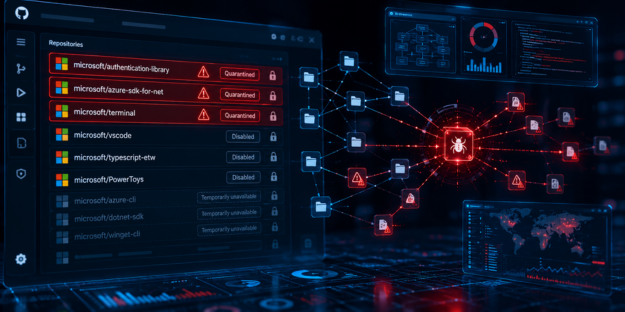
GitHub Flags and Removes Microsoft Repositories |
Dozens of Microsoft-owned GitHub repositories were temporarily disabled after investigators discovered potential malicious content linked to a suspected supply-chain compromise. The incident temporarily disrupted developer workflows across 73 Microsoft GitHub repositories. |
Although Microsoft restored the repositories and deemed them safe, the event highlights the growing risk of software supply-chain attacks targeting trusted development platforms and dependencies. Review your CI/CD pipelines for dependencies that pull directly from third-party GitHub repositories, then pin actions and packages to verified commit hashes instead of relying on mutable tags that can change without warning. |
Phishing Scam Tricks AI Email Agent |
Researchers found an OpenClaw AI email agent could be tricked into disclosing sensitive data, including credentials and customer records, through phishing attacks.
Even with stricter security instructions, the agent failed to verify sender identities during urgent requests and shared protected data with external accounts. The findings highlight the need for human oversight when AI agents handle sensitive data and communications.
Configure AI agents so that any request involving credentials, sensitive exports, or first-time external recipients automatically requires human approval and out-of-band identity verification before action is taken. |
|
|
|
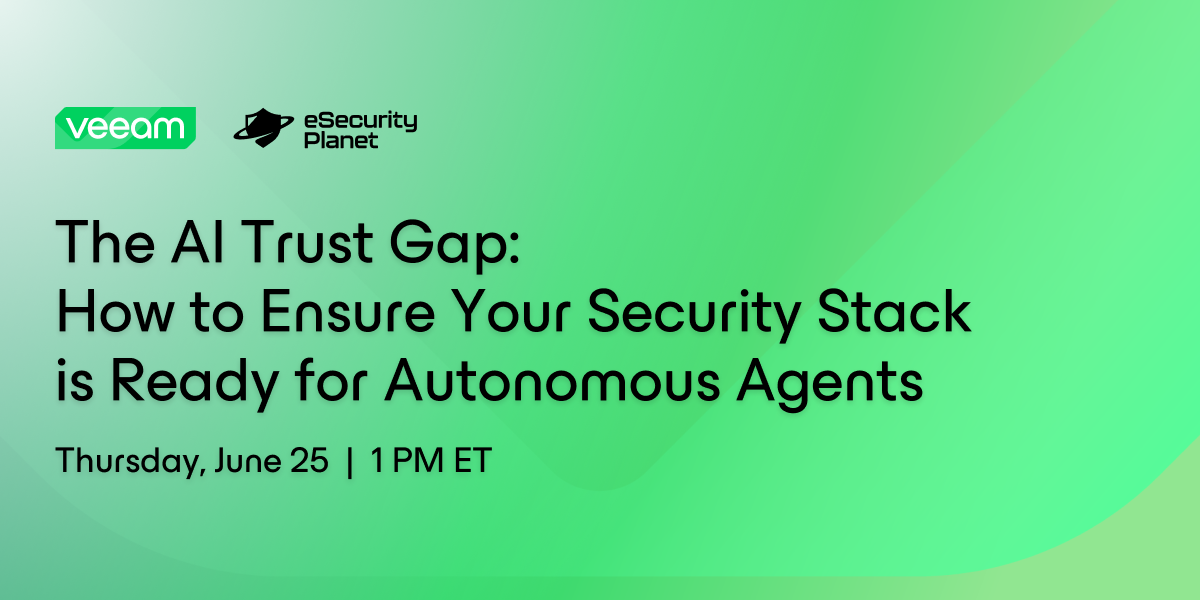
AI agents are increasingly interacting with sensitive systems, data, and business processes. For security teams, maintaining visibility and control over these autonomous systems is quickly becoming a critical governance challenge.
Join eSecurity Planet and Veeam on June 25, 2026 at 1:00 PM ET for The AI Trust Gap: How to Ensure Your Security Stack is Ready for Autonomous Agents. Learn practical approaches to managing AI risk, enforcing policy in real time, and recovering quickly from agent mistakes.
Strengthen your AI governance strategy before risks scale further. |
|
|
|
Secure Your Software Supply Chain |
Software supply chain attacks are increasing as threat actors target trusted software vendors and dependencies, allowing a single compromise to potentially impact thousands of downstream organizations. |
How to reduce supply chain risk: |
-
Maintain visibility into software components and dependencies using an SBOM and continuous monitoring to quickly identify vulnerable or compromised packages.
- Strengthen software integrity controls by pinning dependencies to approved versions and verifying code signatures before deployment.
- Reduce third-party risk across the development pipeline by auditing vendors, securing CI/CD systems with strong access controls, and enforcing MFA.
|
The goal isn't eliminating all third-party risk — it's identifying and managing it before it has a material impact on your business. |
|
|
|
|
Ken Underhill is an award-winning cybersecurity professional, bestselling author, and seasoned IT professional. He holds a graduate degree in cybersecurity and information assurance from Western Governors University, bringing years of hands-on experience to the field. |
|
|
|
Cybersecurity Insider is a TechnologyAdvice business |
© 2026 TechnologyAdvice, LLC. All rights reserved. |
TechnologyAdvice, 3343 Perimeter Hill Dr., Suite 215, Nashville, TN 37211, USA. |
|
|
|
|