The weakest link isn’t always a password. |
This week’s stories feature exposed recovery workflows, vulnerable APIs, hundreds of fresh patches, and a growing debate over how much autonomy AI should really have.
Tell us what content you want to see on TechRepublic by taking this quick survey. Read past newsletters here. | |
|
|
Here’s what you need to know: |
|
|
|
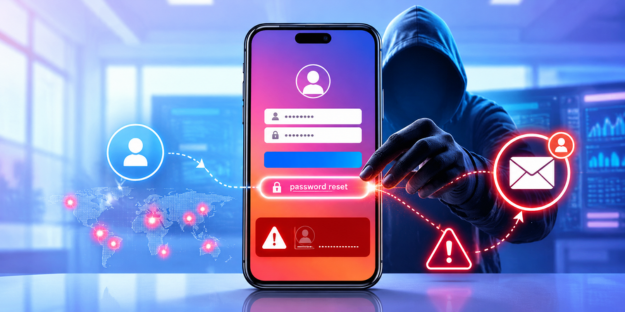
Instagram Recovery Flaw Exposed 20K+ Accounts |
New details have emerged in a previously reported Instagram account takeover campaign, with Meta disclosing that a recovery-system flaw exposed more than 20,000 accounts.
The bug affected Meta’s AI-assisted High Touch Support (HTS) workflow, which failed to properly verify account ownership before issuing valid password reset links. |
Reports also suggest attackers bypassed face-verification checks using animated images and masked their locations with VPNs. Enforce phishing-resistant MFA wherever possible and regularly test recovery processes to ensure they can’t be abused to bypass primary authentication controls. |
ServiceNow Flaw Exposed Customer Instance Data |
ServiceNow disclosed a security incident after attackers exploited an unauthenticated API endpoint to access data from customer instances.
The flaw allowed unauthorized queries of instance tables that may contain support tickets, employee records, internal documentation, asset inventories, and security incident data. ServiceNow has patched the issue and says it primarily affected customers running the Australia platform release or older deployments with certain configuration changes.
Review third-party SaaS platforms for exposed APIs and assess whether sensitive business information is being stored in support and workflow systems. |
Microsoft Fixes Nearly 200 Vulnerabilities in June Update |
Microsoft’s June Patch Tuesday release addresses roughly 200 vulnerabilities across Windows, Azure, Office, Outlook, Exchange, and AI-related products.
Three vulnerabilities were disclosed before patches were available, including a Windows HTTP2/Bomb DoS flaw, a BitLocker security bypass, and a privilege-escalation bug potentially linked to the leaked GreenPlasma exploit. Microsoft classified all three as “exploitation more likely,” while nearly 40 of the patched vulnerabilities received a critical severity rating.
Prioritize patching internet-facing systems, verify BitLocker protections on portable devices, and monitor for proof-of-concept exploits targeting these CVEs. |
|
|
|
Which 2FA method do you trust most? |
|
|
|
Yesterday's Pulse Check Results |
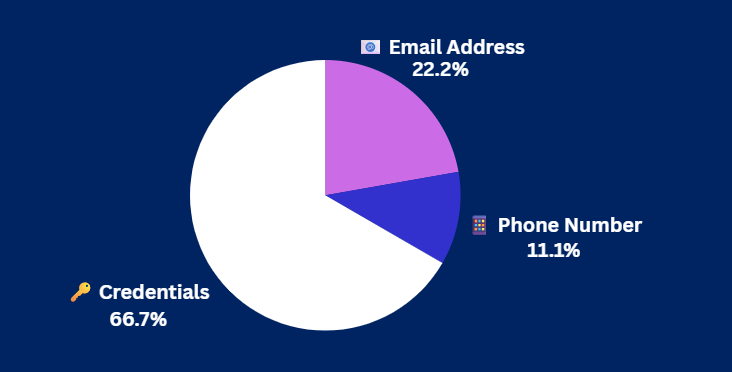
Which exposed data point poses the greatest risk? |
|
|
|
Security Tools You Can Use |
-
Take a 2-minute survey on Cisco Secure Access and share your perspective on today’s security challenges.
- Stay ahead of threats — explore the best cybersecurity tools and lock down your business today.
- Protect your business from threats — get 30% off Bitdefender’s powerful cloud and on-premise protection today.
|
|
|
|
Anthropic Expands Mythos Access With New Guardrails |
Anthropic is rolling out Claude Fable 5, a public version of its Mythos AI model with restrictions that block cybersecurity-related use cases.
The move follows concerns raised earlier this year after Mythos identified thousands of software vulnerabilities during a limited preview program. |
Anthropic says the new Claude Fable 5 model includes safeguards designed to prevent vulnerability discovery.
Conduct threat modeling to assess actual risk to your organization as attackers leverage open-source AI models in future attacks. |
Regulators Push for Tighter Controls on Agentic AI |
Global financial regulators are calling for stronger safeguards as agentic AI adoption accelerates across the finance sector.
The Financial Stability Board (FSB) warned that autonomous AI systems capable of planning and executing tasks with limited human oversight could increase the risk of unauthorized actions, data breaches, and operational disruptions. Require human approval for high-risk AI actions, and define clear operational boundaries on what AI agents can and cannot do. |
|
|
|
AI adoption is moving fast, but hidden security risks inside applications can create costly delays, compliance concerns, and operational blind spots.
Join TechRepublic with Black Duck on June 17, 2026, at 11:00 AM ET for Uncover Hidden Risks Across Your AI Applications. This expert-led session will share practical ways to improve visibility, strengthen governance, and reduce AI-related software risk without slowing innovation. Register now to strengthen your AI security strategy. |
|
|
|
Recent incidents, including Meta’s disclosure of exploited account recovery weaknesses, highlight the importance of phishing-resistant MFA, as passwords alone are not enough to prevent account takeovers. |
How to strengthen your MFA strategy: |
-
Use an authenticator app - Apps like Microsoft Authenticator, Google Authenticator, and Authy generate time-based codes that are harder to intercept than SMS messages.
-
Enable phishing-resistant MFA - Security keys and passkeys provide stronger protection against phishing, credential theft, and AitM attacks.
-
Avoid relying solely on SMS verification - SMS-based MFA remains vulnerable to SIM-swapping and social engineering attacks.
|
Attackers are exploiting account recovery workflows, elevating the need for phishing-resistant MFA, continuous account oversight, and stronger identity governance. |
|
|
|
| Senior Staff Writer at TechnologyAdvice |
Luis Millares is a seasoned tech writer with broad experience reviewing consumer gadgets and enterprise software, offering clear, reliable insights across the latest in technology. |
|
|
|
Cybersecurity Insider is a TechnologyAdvice business |
© 2026 TechnologyAdvice, LLC. All rights reserved. |
TechnologyAdvice, 3343 Perimeter Hill Dr., Suite 215, Nashville, TN 37211, USA. |
|
|
|
|