Hit the brakes, Tech Insiders. AI labs want a global pause while Apple slams the door on Intel and data centers hit community roadblocks.
Buckle up; today's tech is stomping the gas and the brake. |
|
|
|
Here's what you need to know today: |
|
|
|
Anthropic Wants a Brake Pedal for Self-Coding AI |
Image created with Gemini |
Anthropic's paper sketches three futures, and the scariest one sees progress limited only by compute, with humans merely auditing the machines. To stop this from spiraling, Anthropic calls for a verifiable, industry-wide pause—a kind of AI arms-control treaty—because hitting the brakes alone just hands the lead to less-cautious rivals.
Skeptics note the convenient timing of preaching caution the same week Anthropic confidentially filed for a blockbuster IPO and hit a $965 billion valuation. Critics worry the "brake pedal" pitch doubles as a regulatory moat, but Anthropic insists it will brief lawmakers and rival labs in the coming months to hash out real guardrails.
Why it matters: If AI starts improving itself, product cycles compress from years to days, leaving companies playing whack-a-mole with ever-smarter systems. Whether you see a coordinated pause as a safety belt or a convenient speed bump, the next gear shift in AI is already here. |
|
|
|
If self-upgrading AI starts acting like Skynet, what's your game plan? |
|
|
|
Results from Friday's Pulse Check |
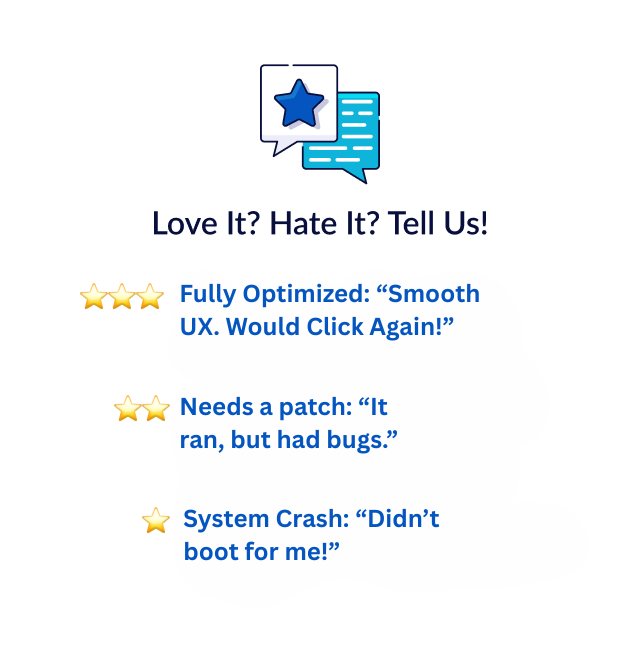
Will you turn on ChatGPT's new memory features? |
|
|
|
Apple Schedules the Intel Mac Wake With macOS 27 |
Get ready to pour one out for x86 Macs.
Apple has confirmed that macOS 27, to be unveiled at today's WWDC keynote, will work only on Apple silicon, making macOS 26 Tahoe the swan song for Intel hardware. However, macOS 27 will serve as the final full release for Rosetta's translation layer.
Developers and IT teams get one more major cycle to finish porting apps: Apple says Rosetta will stay general-purpose through macOS 27, then shrink to a niche mode supporting older games and Intel binaries in Linux VMs in macOS 28 next fall. After that, standard Intel-only binaries simply won't launch. |
The cutoff strands four late-model machines: the 2019 16-inch MacBook Pro, the 2020 13-inch MacBook Pro, the 2019 Mac Pro, and the 2020 27-inch iMac. These devices will receive security patches for three more years, but no new features. Users opening Intel-only apps on Tahoe already see nag screens warning of the impending block.
Enterprise audits show more than 18,800 Intel-bound titles still in the wild—everything from bespoke ERP tools to aging audio plug-ins—so Apple's 15-month clock is really a fire drill for IT budgets and software roadmaps to find Universal or native alternatives. |
|
| |
HubSpot is an intuitive CRM that makes managing your sales pipeline a breeze. Everything you need to track important metrics, set up time-saving flows and automations, manage clients seamlessly, and grow your business is available in one tidy dashboard. Plans are available for businesses at every stage of growth, starting at 100% free. Start taking the guesswork out of business management today with HubSpot Smart CRM. |
|
|
|
AI Worm Evolves Past Single-Patch Defenses |
Researchers at the University of Toronto have built a proof-of-concept AI-powered worm that reasons its way through mixed Windows, Linux, and IoT networks. Instead of a single hard-coded exploit, the agent uses an open-weight language model to select the best vulnerability for each host as it spreads.
It even reads fresh CVE advisories on the fly and targets known misconfigurations, then steals the compromised machine's GPU cycles to keep thinking. Every unpatched box becomes free fuel, and the attacker's marginal cost drops to zero.
Defenses: patch critical flaws fast, run AI-assisted automated penetration tests against your own infrastructure, enforce zero-trust micro-segmentation, and lock risky services behind strong MFA before an autonomous worm does it for you. |
Meta Glasses Hide Dormant Face-Scanning 'NameTag' Code |
Wired's recent code review of the Meta AI companion app uncovered a complete, though dormant, on-device face-recognition pipeline, dubbed NameTag, already shipping to over 50 million phones.
NameTag is poised to identify anyone seen through Ray-Ban and Oakley smart glasses. The code stores 2,048-vector "faceprints," stages unknown faces in a pending folder, and fires a "Person recognized" notification when it matches a profile.
Meta says it's only "exploration," yet three models and a vector index have been embedded since January 2026. Internal memos also reveal that Meta planned to launch this during a dynamic political environment to dodge watchdog scrutiny.
Because modders can now physically disable the glasses' recording LED, you can't assume you aren't being covertly filmed. Remind staff to guard their screens—an innocent glance over the shoulder could now be a covert recording of company secrets.
Own Meta AI glasses? You can't stop others from scanning your face, but you can do your part to not scan theirs: restrict the companion app's permissions so your phone doesn't become a node in Meta's surveillance net. |
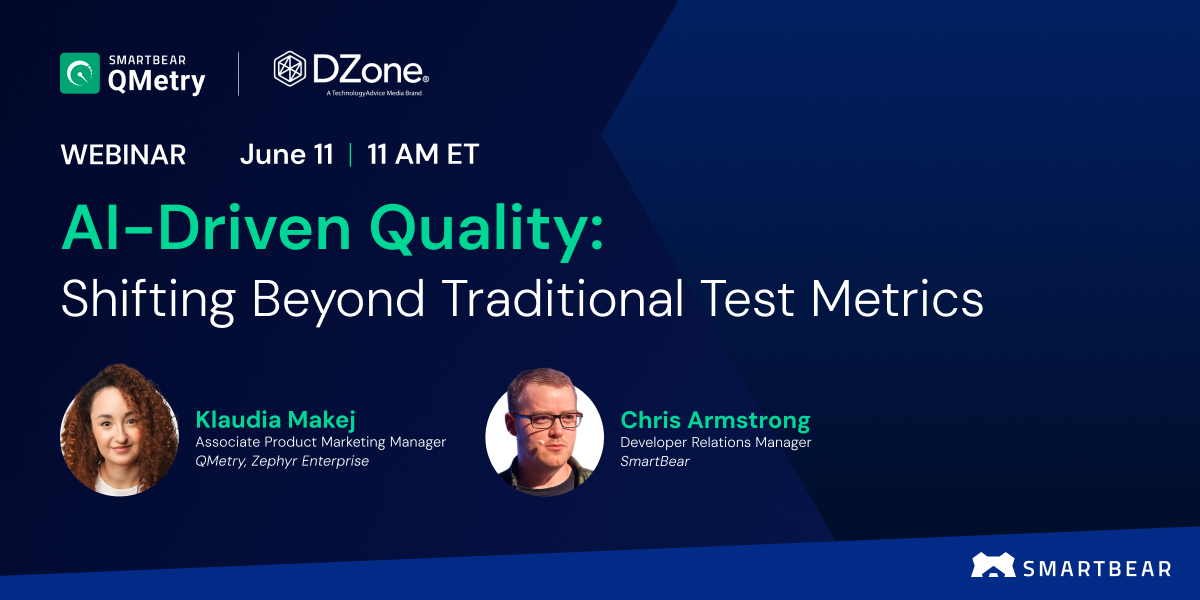
Traditional QA signals are struggling to keep pace with AI-driven development. As release cycles accelerate, fragmented workflows and disconnected visibility make it harder to measure true software quality.
DZone and SmartBear bring you AI-Driven Quality: Shifting Beyond Traditional Test Metrics on June 11, 2026, at 11:00 a.m. ET, focused on improving release confidence with unified visibility, measurable assurance, and real-time quality insights. Learn practical ways to strengthen quality workflows without adding unnecessary complexity. |
Backlash Stalls AI Data Center Boom |
Image created with Gemini |
The industry is scrambling to adapt: Meta is throwing GPU clusters into 125,000-square-foot tents outside Columbus to bypass delays, while "Shark Tank" investor Kevin O'Leary just shrank his Utah campus by nearly half after public outcry. Even powerhouse Switch is hunting cash at a rumored $50 billion valuation as build costs—and protests—mount.
Who knew the hottest place for AI this summer would be the zoning board meeting? |
|
|
|
|
Writer at TechnologyAdvice |
Justin Meyers is an investigative writer and editor who draws on over a decade of meticulous hands-on research to deliver the full, trustworthy story behind consumer and enterprise tech, including cybersecurity. |
|
|
|
Curious about where AI is really headed? |
The Neuron cuts through the noise to bring you smart, hype-free takes on the latest AI trends, tools, and breakthroughs. Join 700,000+ professionals from top companies like Microsoft, Apple, Salesforce, and more.
|
|
|
|
Advertise in Daily Tech Insider! Daily Tech Insider is a TechnologyAdvice business. © 2026 TechnologyAdvice, LLC. All rights reserved.
TechnologyAdvice, 3343 Perimeter Hill Dr., Suite 215, Nashville, TN 37211, USA. |
|
|
|
|