Amp up, Tech Insiders.
On-device AI cranks the voltage, an HTTP spark threatens data centers, and spoof-proof shields trip the breaker on scams. Throw the switch; there's high current ahead. |
|
|
|
Here's what you need to know today: |
|
|
|
Gemma 4 Brings Multimodal Intelligence to Laptops Without GPUs |
Finally, your MacBook can flex some AI muscles of its own.
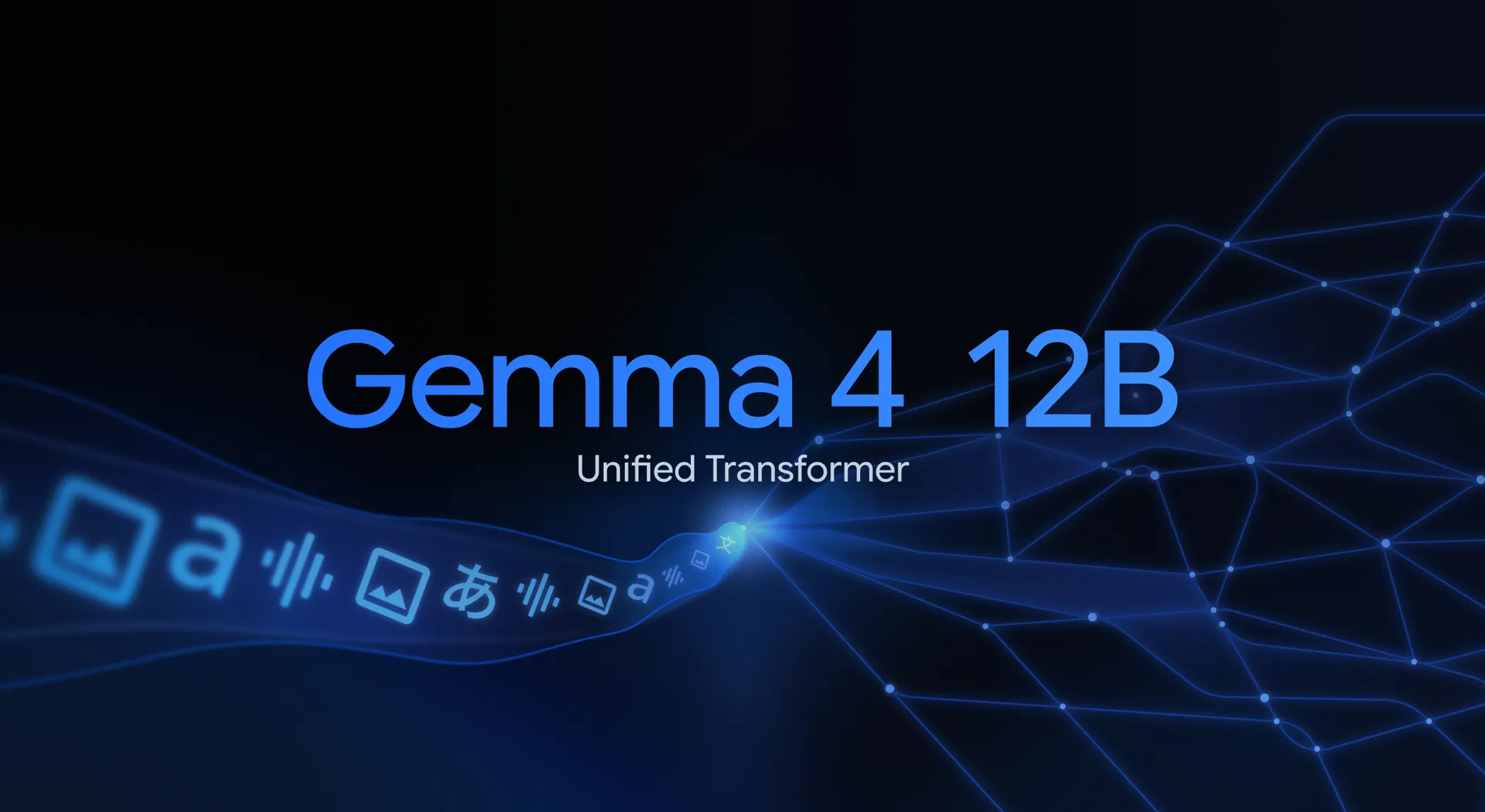
Google DeepMind just rolled out Gemma 4 12B, a 12-billion-parameter model that can parse text, images, audio, and video entirely on devices with only 16 GB of RAM. No massive server GPU. No costly cloud bill.
The secret sauce is a unified setup that shoots raw image and audio data straight to the main brain, bypassing traditional encoders and slashing memory needs by roughly half versus the 26B MoE variant while keeping benchmark scores in the same ballpark. It also features a massive 256K context limit and a built-in "thinking" reasoning mode. |
Developers can pull the Apache-2.0 weights from Hugging Face, spin up a local OpenAI-compatible endpoint via LiteRT-LM's new serve command, or try Mac-native Google AI Edge apps that turn voice dictation and Python prompts into polished prose, code, and charts offline.
Reviews from Ars, The Decoder, and VentureBeat highlight the upside for enterprises: on-prem data privacy, cheaper edge deployments, and agentic workflows that no longer depend on data centers. Google says Gemma models have cleared 150 million downloads, and it's seeding a public skills repo to jump-start tool-using agents.
Why it matters: If you juggle sensitive data or suffer spotty Wi-Fi, Gemma 4 12B could be the first truly capable AI you run on a plane, behind a firewall, or during a coffee-shop bandwidth meltdown—no $20,000 AI accelerator required. |
|
|
|
How much storage would you sacrifice for a powerful local AI model? |
|
|
|
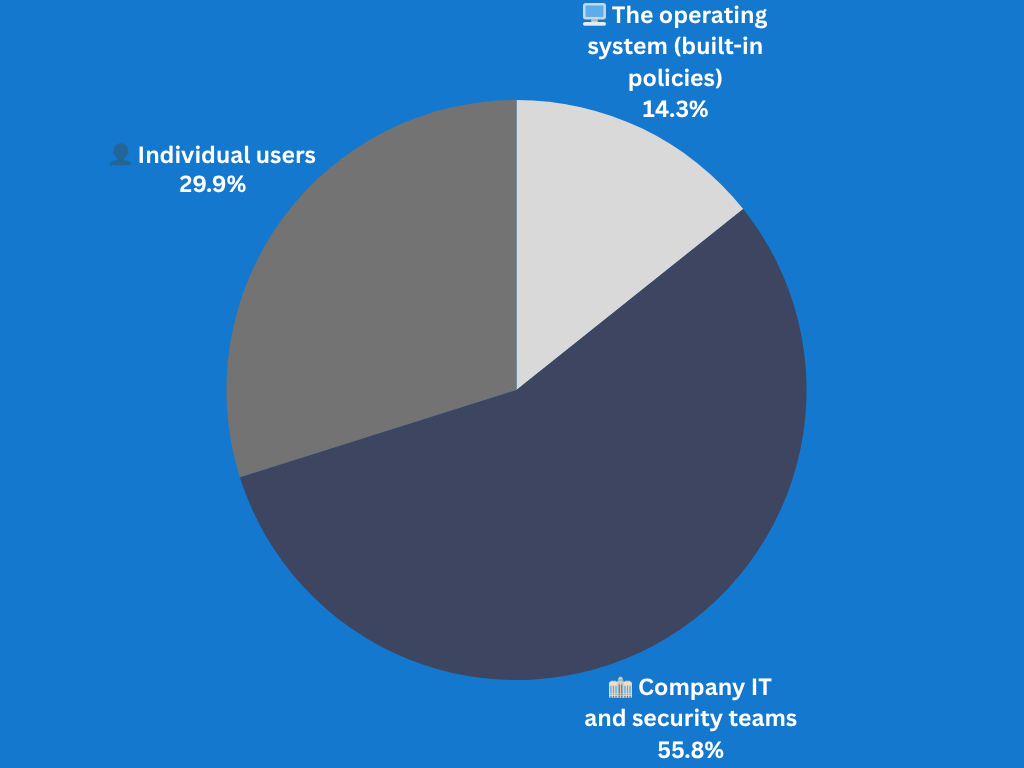
Results from Yesterday's Pulse Check |
Who should decide an AI agent's permissions on your PC? |
|
|
|
DuckDuckGo Downloads Soar 70% Amid Google AI Push |
Turns out the duck's quack can drown out Gemini's roar.
DuckDuckGo says US iPhone installs initially spiked nearly 70% in late May, and have recently surged 95% above averages seen before Google dropped its AI bombshell on May 19. The privacy engine even briefly climbed to the #2 most-downloaded browser on the iOS App Store behind Chrome following Google's big search overhaul.
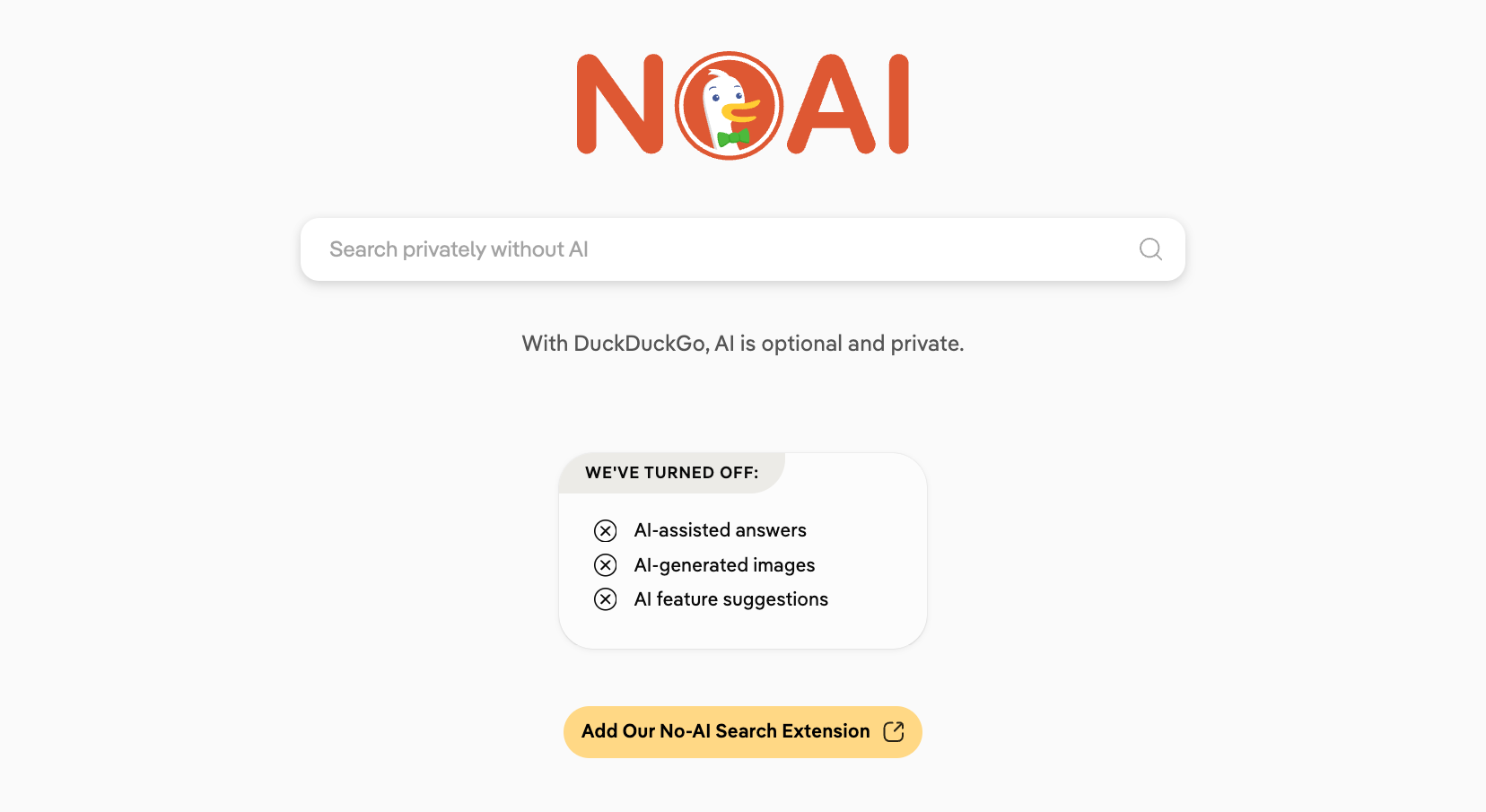
Across all platforms, the privacy-first engine logged its biggest single-day search traffic ever on Monday, while visits to its AI-free noai.duckduckgo.com page tripled versus mid-May.
To keep the momentum, DuckDuckGo rolled out Chrome and Firefox extensions that lock in the AI-free mode with one click. No chat prompts. No hallucinated pizza-glue recipes. |
Competitors are catching the tailwind too: Brave just hit a record 117 million monthly users and an all-time high for new browser volume, and Bing's share is inching toward 5% as AI-skeptical surfers sample new defaults.
Google, still commanding about 90% of global search, points to one billion monthly AI Mode users and a web filter for purists, but critics say choice buried in menus isn't choice at all. Apparently, nostalgia for ten blue links is still a growth hack. |
|
|
|
Aircall Just Acquired Piper AI, and It Changes What Your Sales Team Can Do |
Your reps are losing over two hours a day to CRM updates, missed follow-ups, and post-call admin. That time adds up. Piper captures every sales conversation across phone, video, email, and WhatsApp and automatically handles the work that follows: CRM updates, follow-up emails, deal scoring, and pipeline risk flags. No rep input required.
Together, Aircall and Piper cover the full arc of a deal. Aircall runs the conversation. Piper makes sure it moves the pipeline forward. Teams using Piper have recovered nearly $350K in ARR, seen a 24% lift in deal conversion, and reclaimed up to 48 hours per rep per month. Setup takes under an hour. ROI shows up within 30 days. $50/user/month. No setup fee. All features included. |
|
|
|
'HTTP/2 Bomb' Vulnerability Can Knock Out Major Web Servers |
AI agent Codex helped researchers unveil an HTTP/2 Bomb exploit that lets a single client crash NGINX, Apache, IIS, Envoy, and Cloudflare Pingora servers in seconds.
The attack chains abuse of HPACK (HTTP/2's header-shrinking algorithm) with a Slowloris-style flow-control stall (a classic trick that drip-feeds data to hold connections hostage), turning one wire byte into up to 5,700 bytes of pinned memory and draining 32 GB on Apache in 18 seconds. | Image created with ChatGPT |
Nginx v1.29.8, mod_http2 v2.0.41, and a recent Envoy update close the hole; IIS and Pingora remain unpatched.
Until fixes land for the stragglers, disable HTTP/2 or cap header counts on edge proxies to dodge the blast. Better patch now than watch your site go kaboom. |
Android Will Flag AI-Spoofed Calls Automatically |
Google is rolling out fake call detection to Android 12+ phones this month, starting with Pixels. The Phone by Google app sends a silent RCS handshake to prove the caller's device is real.
If that signal is missing, which is classic in number spoofing or deepfake voice scams, your screen flashes a warning and suggests hanging up before scammers can ask for cash.
The feature is on by default, but both parties need three apps installed: Phone by Google, Google Contacts, and Google Messages (all free on the Play Store).
Until everyone updates, confirm urgent requests with a callback or a family code word, and maybe quit oversharing voice clips online so scammers can't clone you to begin with. Real moms send cookies, not crypto wallet links. |
White House Seeks 'Voluntary' AI Vetting |
Image via The White House |
OpenAI immediately fired back with a 9-page blueprint urging Congress to make safety evaluations mandatory, hand oversight to the Commerce Department's CAISI, and enforce independent audits, whistleblower shields, and weight-security rules. Preempting a state patchwork and dodging national security oversight, CEO Sam Altman spent Wednesday swarming Capitol Hill to pitch the plan in person.
Industry groups and legacy giants like IBM cheered Trump's lighter touch; AI-safety hawks called it the first bite of a bigger regulatory apple.
With billions at stake and IPOs looming for both OpenAI and Anthropic, expect this tug-of-war over who stamps "safe to ship" on the next supermodel to get louder. One side wants a handshake, the other wants handcuffs. |
|
|
|
|
Writer at TechnologyAdvice |
Justin Meyers is an investigative writer and editor who draws on over a decade of meticulous hands-on research to deliver the full, trustworthy story behind consumer and enterprise tech, including cybersecurity. |
|
|
|
Curious about where AI is really headed? |
The Neuron cuts through the noise to bring you smart, hype-free takes on the latest AI trends, tools, and breakthroughs. Join 700,000+ professionals from top companies like Microsoft, Apple, Salesforce, and more.
|
|
|
|
Advertise in Daily Tech Insider! Daily Tech Insider is a TechnologyAdvice business. © 2026 TechnologyAdvice, LLC. All rights reserved.
TechnologyAdvice, 3343 Perimeter Hill Dr., Suite 215, Nashville, TN 37211, USA. |
|
|
|
|