The security landscape keeps finding new ways to surprise us. |
Today’s stories feature an actively exploited Android flaw, browser-based defenses, developer-focused attacks, supply chain concerns, and the growing ripple effects of AI to search. Read past newsletters here. |
|
|
|
Here’s what you need to know: |
|
|
|
Android Zero-Day Under Attack |
Google recently patched an Android vulnerability that is being actively exploited in targeted attacks. The flaw allows privilege escalation without user interaction, making it useful in broader attack chains. |
While this zero-day is being used in targeted attacks, you should assess exposure based on your own risk appetite and existing controls.
Use MDM or UEM platforms to identify vulnerable Android devices and block access to corporate resources until patch compliance is verified. |
Google Hardens Chrome Against Account Hijacking |
Chrome is making stolen session cookies harder for attackers to abuse by tying sessions to specific devices.
Google’s Device Bound Session Credentials (DBSC) feature uses hardware-backed security, such as TPM on Windows and Secure Enclave on macOS, to tie login sessions to specific devices. This feature makes stolen session cookies much harder to reuse, though threat actors will keep testing ways to bypass the added protections.
Update to the latest version of Chrome and test incident response plans with browser-based attack scenarios. |
Claude Code Flaws Expose Supply Chain Risk |
A researcher found vulnerabilities in Anthropic’s Claude Code workflow that could allow attackers to bypass permissions and inject untrusted content into CI/CD pipelines.
The flaws could expose CI/CD environments to prompt injection, credential theft, and broader supply chain attacks, especially where workflows had access to repository secrets and source code. Attackers could have also pushed malicious code into Anthropic’s own repository, underscoring the need for tighter controls around AI development tools and workflow permissions.
Review GitHub Actions workflows for third-party AI integrations and require manual approval before external contributors can trigger jobs that access secrets, OIDC tokens, or privileged repository resources. |
|
|
|
Browser Security Showdown: Who should own the risk? |
|
|
|
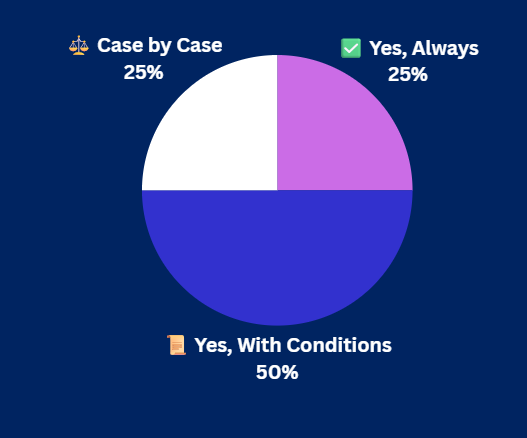
Yesterday's Pulse Check Results |
Should researchers receive legal immunity for responsible disclosure? |
|
|
|
Security Tools You Can Use |
|
|
|
DuckDuckGo Gains Users After Google's AI Push |
After Google expanded AI-powered search, DuckDuckGo reported increased app installs and traffic to its AI-free search option. The shift highlights a divide between users who prefer AI-generated answers and those who want direct access to source content. |
Interest in alternatives such as DuckDuckGo, Brave Search, Kagi, and Bing suggests demand remains for search platforms that offer greater transparency and user choice.
Update AI-use policies to clarify when employees must verify AI-generated search results before using them in security, compliance, or business decisions. |
Fake Claude Code Sites Steal Developer Credentials |
Developers are being lured to fake Claude Code sites that deliver credential-stealing malware through malicious install commands.
Researchers identified more than 88 fake domains that use SEO poisoning, redirects, and paid ads to place counterfeit Claude Code documentation ahead of legitimate resources in search results. The researchers also noted the infrastructure can’t be shut down because C2 is routed through a Binance Smart Chain smart contract.
Create an internal developer portal containing approved AI tool installation links and require teams to verify terminal commands against trusted sources before execution. |
|
|
|
Traditional QA signals are struggling to keep pace with AI-driven development. As release cycles accelerate, fragmented workflows and disconnected visibility make it harder to measure true software quality.
DZone and SmartBear bring you AI-Driven Quality: Shifting Beyond Traditional Test Metrics on June 11, 2026 at 11:00 AM ET, focused on improving release confidence with unified visibility, measurable assurance, and real-time quality insights. Learn practical ways to strengthen quality workflows without adding unnecessary complexity. |
|
|
|
Could Attackers Exploit Your Browser Today? |
Browser-based threats pose a real risk for SMBs because browsers often serve as the main entry point to business SaaS apps, cloud services, and sensitive company data. |
How to strengthen browser security: |
- Keep browsers updated, enable built-in security protections, and separate work and personal browsing activities to reduce exposure.
-
Regularly review browser extensions, remove anything unnecessary or untrusted, and use a password manager to help protect accounts.
-
Verify website URLs before entering sensitive information and implement zero trust solutions to help continuously validate users, devices, and sessions before granting access to critical resources.
|
Because browsers sit at the center of modern work, strengthening browser security can help reduce both user-driven and credential-based attack risk. |
|
|
|
|
Ken Underhill is an award-winning cybersecurity professional, bestselling author, and seasoned IT professional. He holds a graduate degree in cybersecurity and information assurance from Western Governors University, bringing years of hands-on experience to the field. |
|
|
|
Cybersecurity Insider is a TechnologyAdvice business |
© 2026 TechnologyAdvice, LLC. All rights reserved. |
TechnologyAdvice, 3343 Perimeter Hill Dr., Suite 215, Nashville, TN 37211, USA. |
|
|
|
|