The cybersecurity landscape keeps evolving. |
Today's stories feature Mythos potentially becoming mainstream, a massive botnet takedown, identity abuse, elderly fraud, and a debate over researcher protection.
Tell us what content you want to see on TechRepublic by taking this quick survey. Read past newsletters here. | |
|
|
Here’s what you need to know: |
|
|
|
Anthropic Eyes Public Release of Mythos Capabilities |
Anthropic is considering a public release of cybersecurity AI capabilities previously reserved for its Mythos Preview program. The potential release follows Anthropic's efforts to improve safeguards and reports that Mythos identified more than 6,000 high and critical-severity vulnerabilities. |
This could expand access to advanced vulnerability discovery capabilities that have so far been limited to specific organizations under Project Glasswing.
Assess how AI-assisted vulnerability discovery could affect your threat models and prioritize remediation processes capable of handling an increase in vulnerability identification speed and volume. |
Dutch Police Dismantle 17 Million Device Botnet |
Dutch authorities dismantled a botnet linked to 17 million compromised devices and more than 200 servers. The investigation highlights the growing threat of proxy-based botnets, which use compromised devices to conceal malicious activity and support attacks. Even after major takedowns, operators often rebuild infrastructure using new domains, malware variants, and hosting providers, making these networks difficult to eradicate.
Review outbound network traffic for unusual proxy activity and establish a baseline for device communications so C2 connections can be identified. |
Microsoft Walks Back Legal Threats Against Researcher |
Microsoft tried to reassure the security community that it will not pursue legal action against a researcher following backlash over its handling of a recent zero-day disclosure dispute.
The dispute involved researcher Nightmare Eclipse, who publicly released PoC code for six Windows vulnerabilities, several of which were later exploited. This is not the first incident of a large company threatening researchers over the years. Create a formal process for reviewing public PoC releases and identifying actual risks to your business before patches become available. |
|
|
|
Should researchers receive legal immunity for responsible disclosure? |
|
|
|
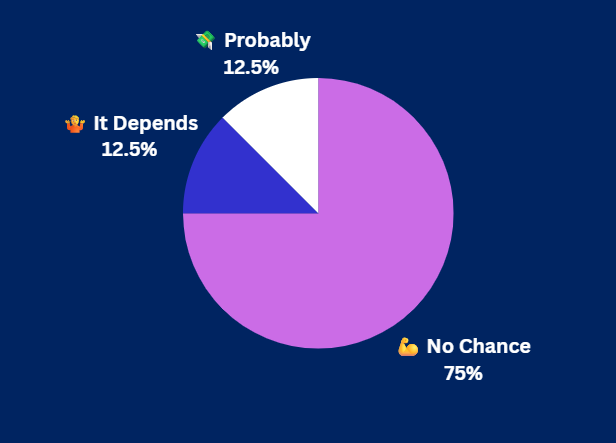
Yesterday's Pulse Check Results |
If ransomware hit tomorrow, would your organization pay? |
|
|
|
Security Tools You Can Use |
|
|
|
Man Sentenced for Selling Personal Data of Elderly |
A North Carolina man was sentenced to more than 10 years in prison for selling the personal data of more than 7 million seniors to scammers.
According to the U.S. Department of Justice, the suspect allegedly distributed at least 22,000 lead lists containing personal information, generating more than $5.2 million while contributing to over $9.5 million in victim losses. |
The case highlights how basic personal data can fuel social engineering campaigns. Conduct a quarterly review of customer and employee data holdings to identify unnecessary personal information that can be securely deleted and use DLP tools. |
Instagram AI Flaw Enables Account Takeovers |
A vulnerability in Instagram's AI-powered account recovery system could have allowed attackers to hijack accounts by obtaining password reset codes. The incident highlights how weaknesses in AI workflows and authentication controls can create new attack surfaces.
Meta has since patched the issue. Review all AI-powered workflows that can trigger account changes, password resets, or identity verification actions, and require human approval for any process that could directly impact account ownership. |
|
|
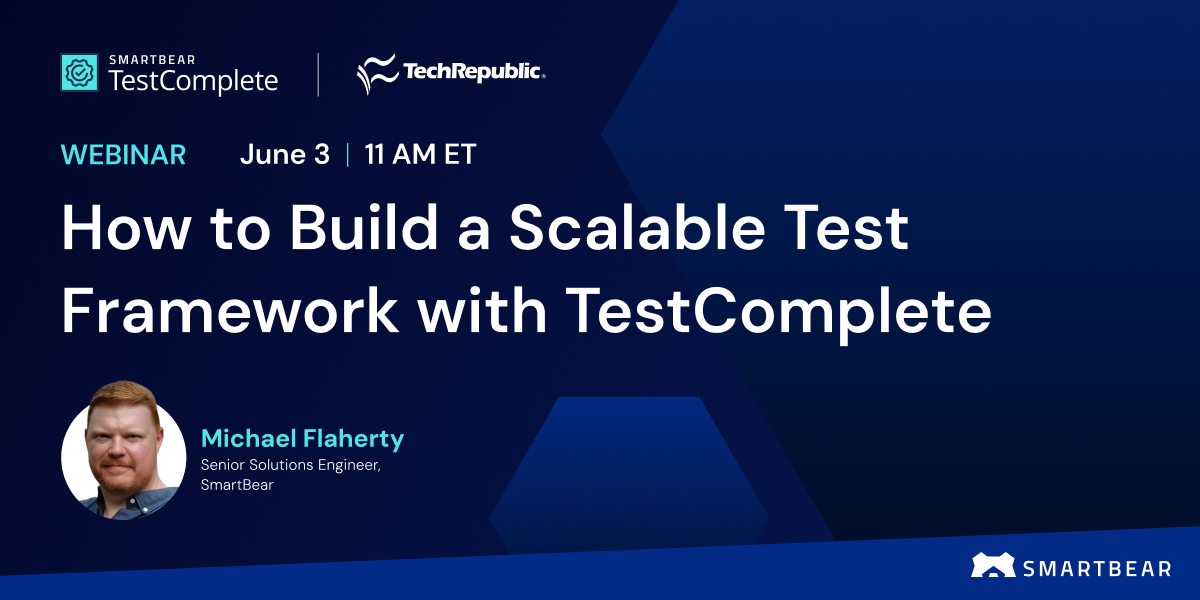
| Final call: unstable automation and hard-to-review test results can slow teams down long before coverage goals are reached. Join TechRepublic and SmartBear on June 3, 2026 at 11:00 AM ET for a focused 30-minute technical session on scalable test automation strategies with TestComplete. You’ll see how QA teams can improve execution consistency, reduce maintenance effort, and create more actionable CI feedback loops. Register now before the session begins. |
|
|
|
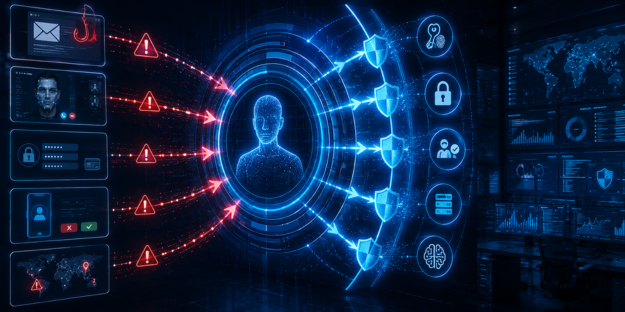
How Strong Is Your Identity Security? |
As AI enables more sophisticated phishing and impersonation campaigns, identity-based attacks continue to rise. |
How to strengthen identity security: |
- Adopt phishing-resistant authentication with passkeys and MFA to reduce the impact of phishing, credential theft, and account takeover attacks.
- Strengthen credential security through password managers, unique passwords, exposed credential monitoring, and regular access reviews.
-
Implement conditional access, least-privilege controls, and identity threat detection and response (ITDR) solutions to detect account takeover attempts, privilege abuse, and other identity-based attacks.
|
By hardening authentication, access controls, and credential hygiene, organizations can reduce exposure to identity compromise and limit blast radius. |
|
|
|
|
Ken Underhill is an award-winning cybersecurity professional, bestselling author, and seasoned IT professional. He holds a graduate degree in cybersecurity and information assurance from Western Governors University, bringing years of hands-on experience to the field. |
|
|
|
Cybersecurity Insider is a TechnologyAdvice business |
© 2026 TechnologyAdvice, LLC. All rights reserved. |
TechnologyAdvice, 3343 Perimeter Hill Dr., Suite 215, Nashville, TN 37211, USA. |
|
|
|
|