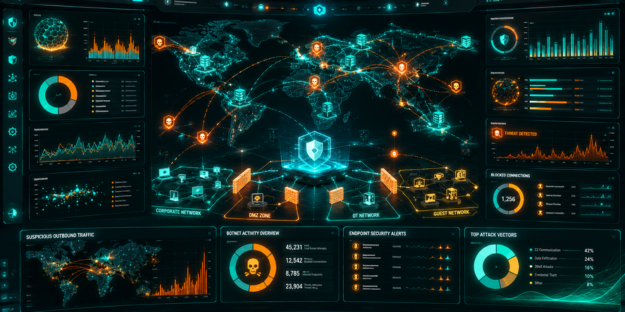
The attack surface isn’t getting any smaller. |
Today’s news brings a massive data breach, AI safety concerns, browser-based threats, and ransomware negotiations that resemble an aggressive sales team. Tell us what content you want to see on TechRepublic by taking this quick survey. Read past newsletters here. |
|
|
|
Here’s what you need to know: |
|
|
|
Carnival Breach Hits Nearly 6 Million |
Carnival disclosed a breach affecting nearly 6 million customers after attackers compromised an employee account. Although Carnival has not attributed the incident to a specific group, ShinyHunters has claimed responsibility for the attack. |
Carnival is continuing to investigate the incident and has begun sending breach notification letters to those impacted.
Review account recovery, help desk, and privileged access workflows, and require phishing-resistant MFA and identity verification checks for access requests. |
Cisco Flags AI Multi-Turn Attack Risks |
Cisco researchers found multi-turn attacks could bypass safeguards across all tested frontier AI models. Researchers found prompt reframing, role-playing, and incremental requests significantly improved attack success rates.
The findings also suggest that public AI safety benchmarks may not accurately reflect how models perform against real-world attackers. Require multi-turn adversarial testing in AI security assessments and vendor reporting of safety metrics. |
Ransomware Gangs Borrow Sales Playbooks |
A study of leaked ransomware negotiations found that many cybercriminal groups use aggressive sales tactics to maximize extortion payments. Researchers found ransomware groups increasingly operate like businesses, using negotiators, pricing models, and pressure tactics to drive payments. The report also showed that negotiation delays can provide valuable time for incident response teams to assess compromise scope, validate backups, and accelerate recovery efforts.
Add ransomware negotiation scenarios to tabletop exercises and establish clear policies on negotiation authority, external negotiator engagement, and decision-making before an incident occurs. |
|
|
|
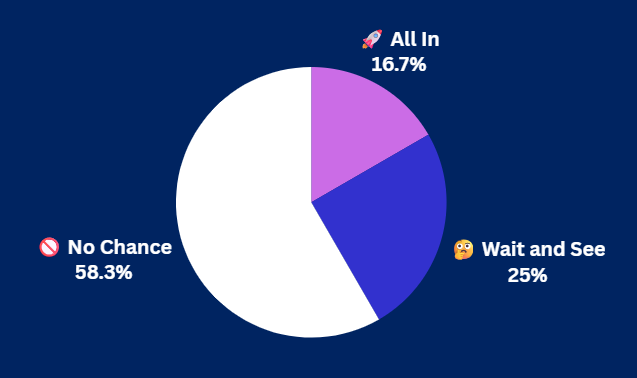
If ransomware hit tomorrow, would your organization pay? |
|
|
|
Yesterday's Pulse Check Results |
Robot City Reality Check: Would you actually live there? |
|
|
|
Security Tools You Can Use |
|
|
|
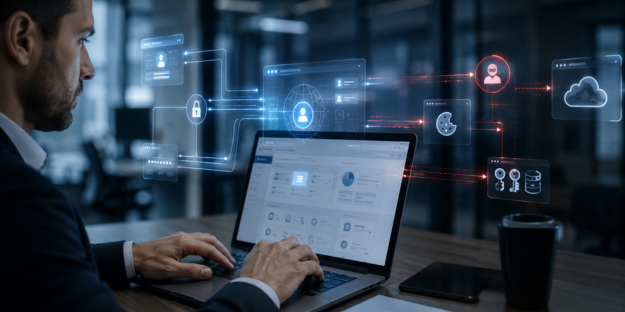
Browser Threats Rise Across Enterprise Networks |
A NordLayer report found browsers are now a major enterprise attack surface, with 82% of surveyed organizations reporting a related security incident last year.
As organizations increasingly rely on browser-based applications, attackers are exploiting stolen credentials and session cookies to gain access to corporate environments. |
The report also found that many organizations remain confident in their security posture despite gaps in browser security controls. Configure automated session revocation for high-risk events (e.g., impossible travel, device changes, or credential resets) to reduce exposure. |
iPhones May Soon Lock Out Thieves |
Apple is testing an anti-theft feature that locks iPhones when theft is detected. The feature would use motion, speed, paired-device proximity, and familiar-location signals to detect potential theft and lock the phone.
If released, it could help reduce post-theft account access and bring iPhones closer to Android-style theft protection. Require biometric authentication for sensitive apps and regularly review account recovery settings to reduce cloud account takeover risks. |
|
|
|
Test automation shouldn’t slow releases or trap QA teams in constant maintenance cycles.
In this 30-minute webinar from TechRepublic and SmartBear, happening on June 3, 2026 at 11:00 AM ET, attendees will explore practical approaches for reusable workflows, scalable execution, and clearer reporting with TestComplete. If your automation suite is becoming harder to manage as it grows, this session is worth your time. |
|
|
|
Is Your Mobile Device Protected? |
Smartphones have become a prime target for attackers seeking credentials, financial data, and access to corporate systems. |
How to strengthen mobile security: |
- Strengthen device access controls by using biometric authentication, a strong PIN, and MFA to protect accounts and sensitive data.
-
Reduce mobile attack exposure by keeping your operating system and apps updated, downloading apps only from trusted sources, and carefully reviewing app permissions.
-
Prepare for device loss and risky networks by enabling Find My Device features, using a trusted VPN when connecting to public Wi-Fi, and using MDM tools.
|
As mobile devices continue serving as gateways to sensitive accounts and data, implementing fundamental security controls can help organizations reduce overall risk. |
|
|
|
|
Ken Underhill is an award-winning cybersecurity professional, bestselling author, and seasoned IT professional. He holds a graduate degree in cybersecurity and information assurance from Western Governors University, bringing years of hands-on experience to the field. |
|
|
|
Cybersecurity Insider is a TechnologyAdvice business |
© 2026 TechnologyAdvice, LLC. All rights reserved. |
TechnologyAdvice, 3343 Perimeter Hill Dr., Suite 215, Nashville, TN 37211, USA. |
|
|
|
|