Attack surfaces keep expanding faster than defenses. |
This edition covers massive data theft claims, quiet AI security gaps, Microsoft patches, and why trusted workflows are becoming one of cybersecurity’s biggest challenges. Help shape our latest TechRepublic research by taking this quick survey.
Read past newsletters here. |
|
|
|
Here’s what you need to know: |
|
|
|
11M Files Stolen in Foxconn Breach |
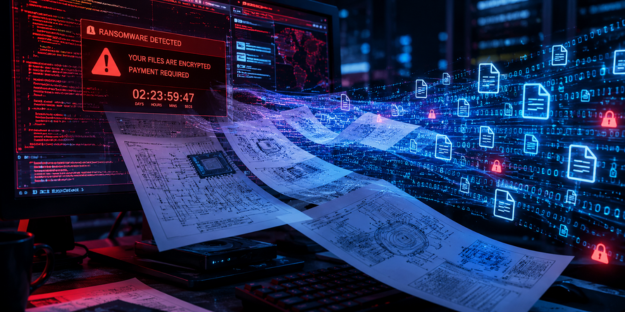
A Foxconn ransomware claim has raised supply chain concerns after the Nitrogen gang said it stole 11 million files tied to Apple, Nvidia, Google, Dell, and Intel projects.
The company confirmed a cyberattack affecting several North American factories, while the stolen data reportedly includes technical drawings and engineering documents. |
The investigation into the incident is ongoing at this time.
Review supplier contracts and third-party risk assessments to ensure manufacturing partners follow strict segmentation, backup, and incident disclosure requirements. |
Microsoft Fixes 120 Vulnerabilities |
Microsoft patched 120 security vulnerabilities in its latest Patch Tuesday update, including multiple remote code execution (RCE) flaws. The fixes affect core Microsoft platforms including Windows, SharePoint, and enterprise DNS infrastructure. Microsoft did not report any of the vulnerabilities being exploited in the wild at the time of publication. Test and deploy the patches and monitor for suspicious endpoint and network activity. |
Instructure Strikes Deal With Canvas Attackers |
Threat actors behind the recent Canvas attack say they reached a deal with Instructure after claiming to steal data tied to nearly 9,000 schools and 275 million individuals.
The exposed data reportedly included usernames, email addresses, student IDs, and platform messages, drawing scrutiny from schools, lawmakers, and federal agencies. Instructure said it negotiated with the threat actor to prevent further leaks and received confirmation that the stolen data was deleted, though full verification is impossible.
Schools should immediately reset credentials tied to affected platforms, monitor for phishing campaigns targeting students and faculty, and review third-party support portals for exposed ticketing or authentication weaknesses. |
|
|
|
If a ransomware gang demanded payment tomorrow… |
|
|
|
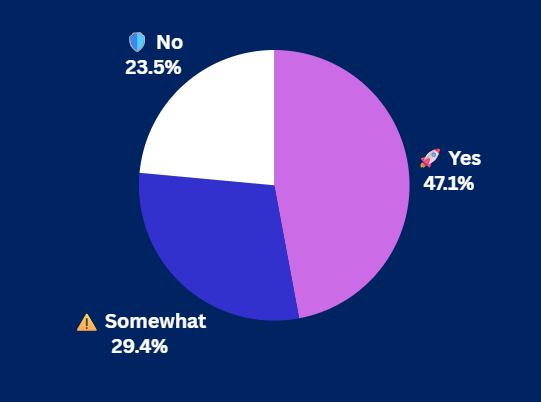
Yesterday's Pulse Check Results |
Is AI creating a new generation of skilled threat actors? |
|
|
|
Security Tools You Can Use |
|
|
|
Researchers Exploit NVIDIA AI Sandboxes |
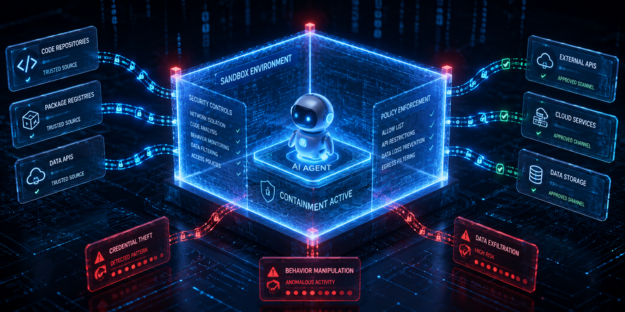
Researchers showed attackers could steal sensitive data from NVIDIA NemoClaw AI agents without bypassing sandbox protections. The attacks abused trusted tools like GitHub, npm packages, and approved API connections to steal credentials, modify agent behavior, and maintain persistence. |
Researchers also showed how malicious packages could manipulate AI configurations and extract plaintext API keys, highlighting growing AI supply chain and governance risks.
Treat AI agents like privileged systems by restricting outbound access, enforcing trusted packages, rotating credentials, and requiring approval for sensitive actions. |
AI Coding Tools Increase Supply Chain Risk |
AI-assisted development is increasing software supply chain risk as developers adopt autonomous coding agents and AI-powered tools. Aikido Security’s CEO warned that modern AI agents can autonomously install packages and access external dependencies, creating new attack paths into developer environments. The industry has also seen an increase in malicious open-source packages, which exposes visibility gaps in traditional security tools that were not designed to monitor AI tooling and package activity in real time. Implement install-time controls with approved AI tools, package policies, and real-time monitoring of extensions and repository access. | |
|
|
Fast API generation without validation leads to technical debt.
In this DZone session with SmartBear on May 21, 2026 at 11:00 AM ET, discover how to enforce testing, consistency, and governance across AI-generated APIs. Save your seat to move from speed to production-ready quality. |
|
|
|
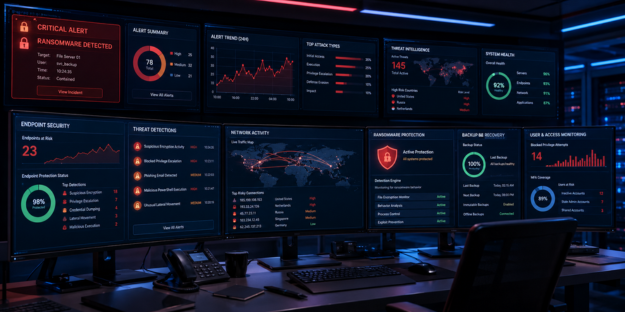
Are You Prepared for Ransomware Attacks? |
Ransomware attacks continue to disrupt organizations as threat actors target critical data, operational systems, and backup environments to increase extortion pressure. |
How to reduce ransomware risk: |
- Use phishing-resistant MFA, restrict admin privileges, and train employees.
-
Maintain isolated offline backups, layer security controls, and test incident response plans with ransomware scenarios.
-
Use EDR/XDR and ransomware protection tools to monitor for suspicious encryption activity, privilege escalation, and other early signs of compromise.
|
Layered defenses help organizations build resilience, reduce overall ransomware exposure, and minimize the operational and financial impact of recovery efforts. |
|
|
|
|
Ken Underhill is an award-winning cybersecurity professional, bestselling author, and seasoned IT professional. He holds a graduate degree in cybersecurity and information assurance from Western Governors University, bringing years of hands-on experience to the field. |
|
|
|
Cybersecurity Insider is a TechnologyAdvice business |
© 2026 TechnologyAdvice, LLC. All rights reserved. |
TechnologyAdvice, 3343 Perimeter Hill Dr., Suite 215, Nashville, TN 37211, USA. |
|
|
|
|