Trusted tools are becoming attack surfaces. |
Today’s stories cover hijacked phone syncing, fake Android apps, password security gaps, deepfake-driven risks, and a Cisco flaw capable of knocking critical platforms offline.
Share how you use AI in our quick survey. Read past newsletters here. | |
|
|
Here’s what you need to know: |
|
|
|
CloudZ RAT Hijacks Windows Phone Link |
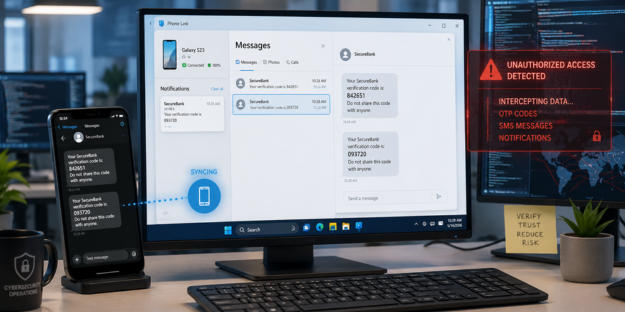
Cisco researchers identified malware abusing Microsoft Phone Link to intercept SMS-based OTPs directly from Windows endpoints without compromising mobile devices. Researchers said the CloudZ RAT uses a custom plugin called Pheno to monitor synced Phone Link data, including SMS messages and call logs. |
The campaign is still active in the wild at the time of publication.
Replace SMS-based MFA, restrict Phone Link access, and monitor endpoints for suspicious activity tied to cross-device syncing. |
Cisco Fixes Network Platform DoS Vulnerability |
Cisco released a patch for a denial-of-service vulnerability that could allow unauthenticated attackers to remotely crash Cisco Crosswork Network Controller (CNC) and Network Services Orchestrator (NSO) systems until administrators manually reboot them.
The flaw affects Cisco network orchestration platforms and could let attackers exhaust connection resources through low-complexity attacks. Cisco did not report any exploitation in the wild.
Patch vulnerable Cisco CNC and NSO systems, restrict management access, and monitor for abnormal connection activity that could signal resource exhaustion attacks. |
Deepfakes Expose Gaps in Cyber Insurance |
AI-powered deepfake attacks are exposing gaps in traditional security controls and cyber insurance coverage. Healthcare, education, and financial services organizations face elevated deepfake risks, while many cyber insurance policies still treat AI-driven fraud as a coverage gray area. Organizations need to rethink how they verify identities, secure communications, and evaluate cyber insurance readiness as AI-driven impersonation attacks continue evolving.
Review cyber insurance policies for AI-related coverage gaps, implement verification controls for financial approvals, and use deepfake detection tools. |
|
|
|
Deepfake Defense Check: Could your team spot an AI impersonation attack? |
|
|
|
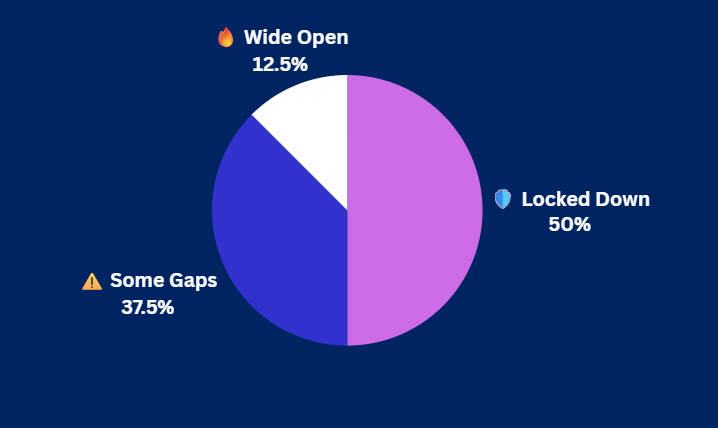
Yesterday's Pulse Check Results |
How hardened are your internet-facing systems? |
|
|
|
Security Tools You Can Use |
-
Explore how Cisco is redefining cybersecurity with solutions designed to protect your entire digital ecosystem. Discover solutions
-
Take a 2-minute survey on Cisco Secure Access and share your perspective on today’s security challenges. Take the Survey Now
-
Simplify compliance — get ready-to-use security policies to help protect your business without the cost or complexity of an enterprise, all for under $100.
|
|
|
|
World Password Day Highlights Password Security Gaps |
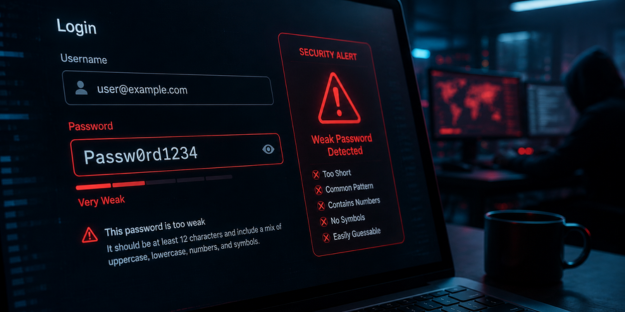
World Password Day just passed, and recent research from Proton found that one in four small businesses experienced a cyberattack or data breach despite growing cybersecurity investments and password manager adoption.
Proton surveyed 3,000 small business leaders and found employees still share credentials through insecure channels like email and spreadsheets. |
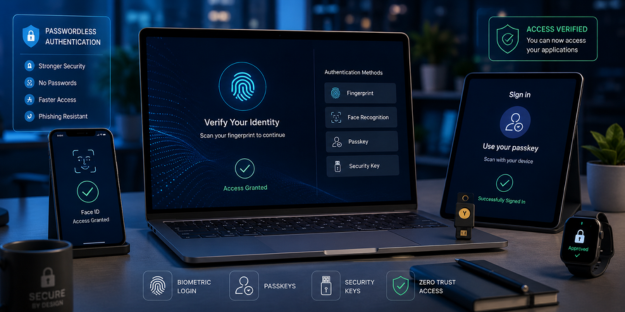
The findings also reflect a broader shift toward using passkeys, biometrics, and passwordless authentication as organizations look to reduce reliance on traditional passwords altogether. Replace SMS-based authentication with phishing-resistant MFA and deploy passwordless technologies like passkeys wherever possible. |
Fake Android Apps Steal Payments on Google Play |
Researchers uncovered fake Android apps on Google Play that tricked users into paying for fabricated call history data. The apps used fake call logs, deceptive payment methods, and fabricated notifications to target Android users in India and the Asia-Pacific region. Google has since removed the apps from the marketplace. Verify app legitimacy, avoid external payment requests, and regularly review mobile subscriptions and device activity for signs of fraud. |
|
|
| Fast API generation without validation leads to technical debt.
In this DZone session with SmartBear on May 21, 2026 at 11:00 AM ET, discover how to enforce testing, consistency, and governance across AI-generated APIs. Save your seat to move from speed to production-ready quality. |
|
|
|
Are Your Credentials Properly Protected? |
As attacks targeting credentials continue to rise, organizations and individuals need stronger authentication habits to reduce risk and prevent unauthorized access. |
How to strengthen your credential security: |
- Use password managers, long passphrases, and phishing-resistant MFA to strengthen authentication security and reduce password reuse risks.
- Deploy PAM tools, conditional access policies, and least privilege controls to protect sensitive accounts and limit unauthorized access.
-
Monitor for exposed credentials, suspicious login activity, and third-party app access while regularly reviewing and removing unused accounts.
|
Strong credential management helps reduce unauthorized access and improves overall security for both individuals and organizations. |
|
|
|
|
Ken Underhill is an award-winning cybersecurity professional, bestselling author, and seasoned IT professional. He holds a graduate degree in cybersecurity and information assurance from Western Governors University, bringing years of hands-on experience to the field. |
|
|
|
Cybersecurity Insider is a TechnologyAdvice business |
© 2026 TechnologyAdvice, LLC. All rights reserved. |
TechnologyAdvice, 3343 Perimeter Hill Dr., Suite 215, Nashville, TN 37211, USA. |
|
|
|
|