Check your signals, Tech Insiders.
In today's news, AI is stepping into high-stakes decisions, regulators are circling, and attackers are moving faster than patches. From ER triage to "polished" phishing attacks, today's briefing is where innovation, risk, and control collide. |
|
|
|
Here's what you need to know today: |
|
|
|
OpenAI o1 Shows Promise in ER Diagnoses |
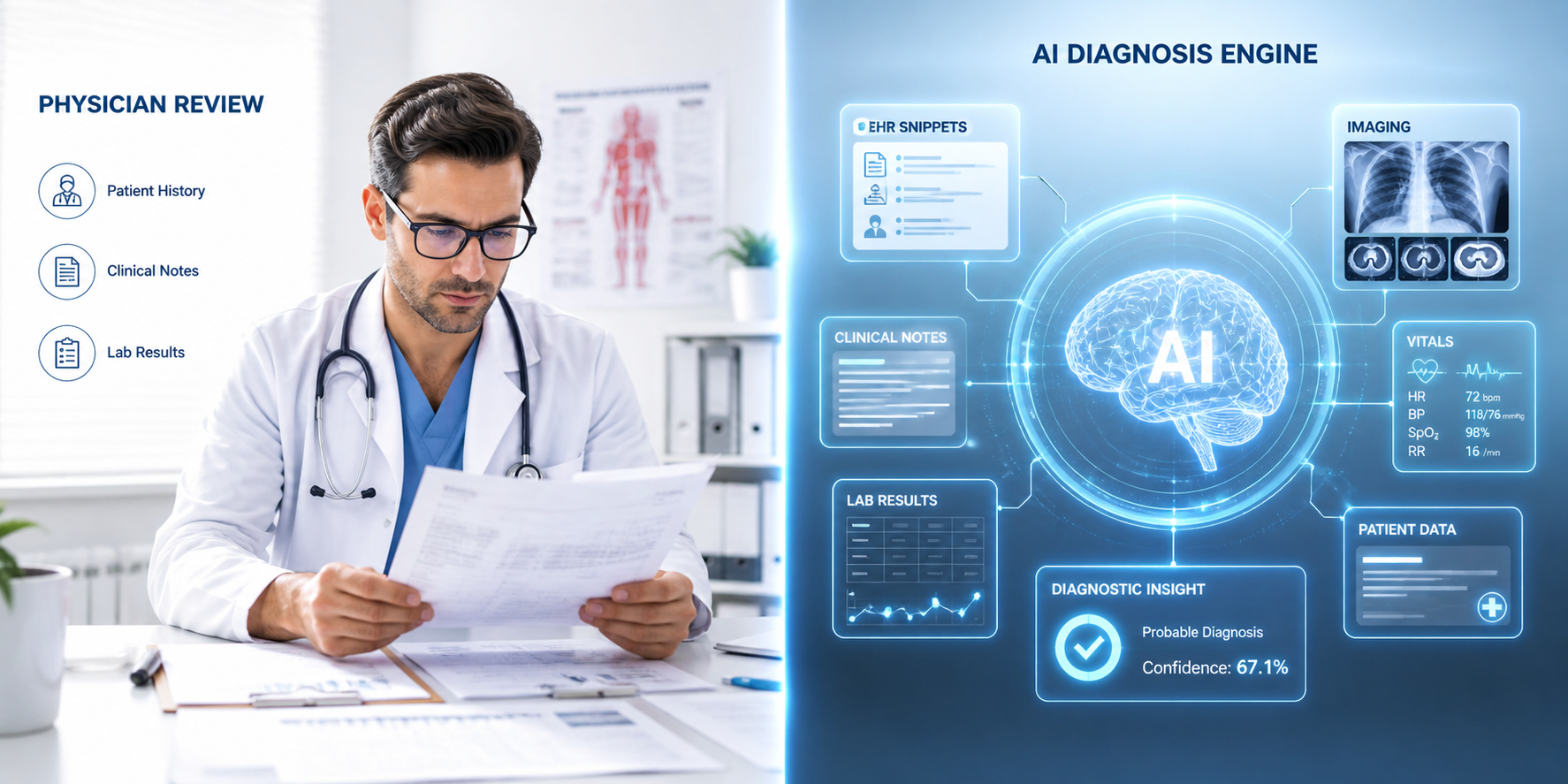
A new study published last week in Science found OpenAI's o1-preview model outperformed physicians in diagnosing real emergency room cases under early-stage conditions.
Researchers from Harvard Medical School and Beth Israel Deaconess Medical Center tested the system on 76 real patient records, where the AI achieved a 67.1% accuracy for exact or very close diagnoses at triage—compared to 55.3% and 50% for two attending physicians—while continuing to lead throughout later stages of care. |
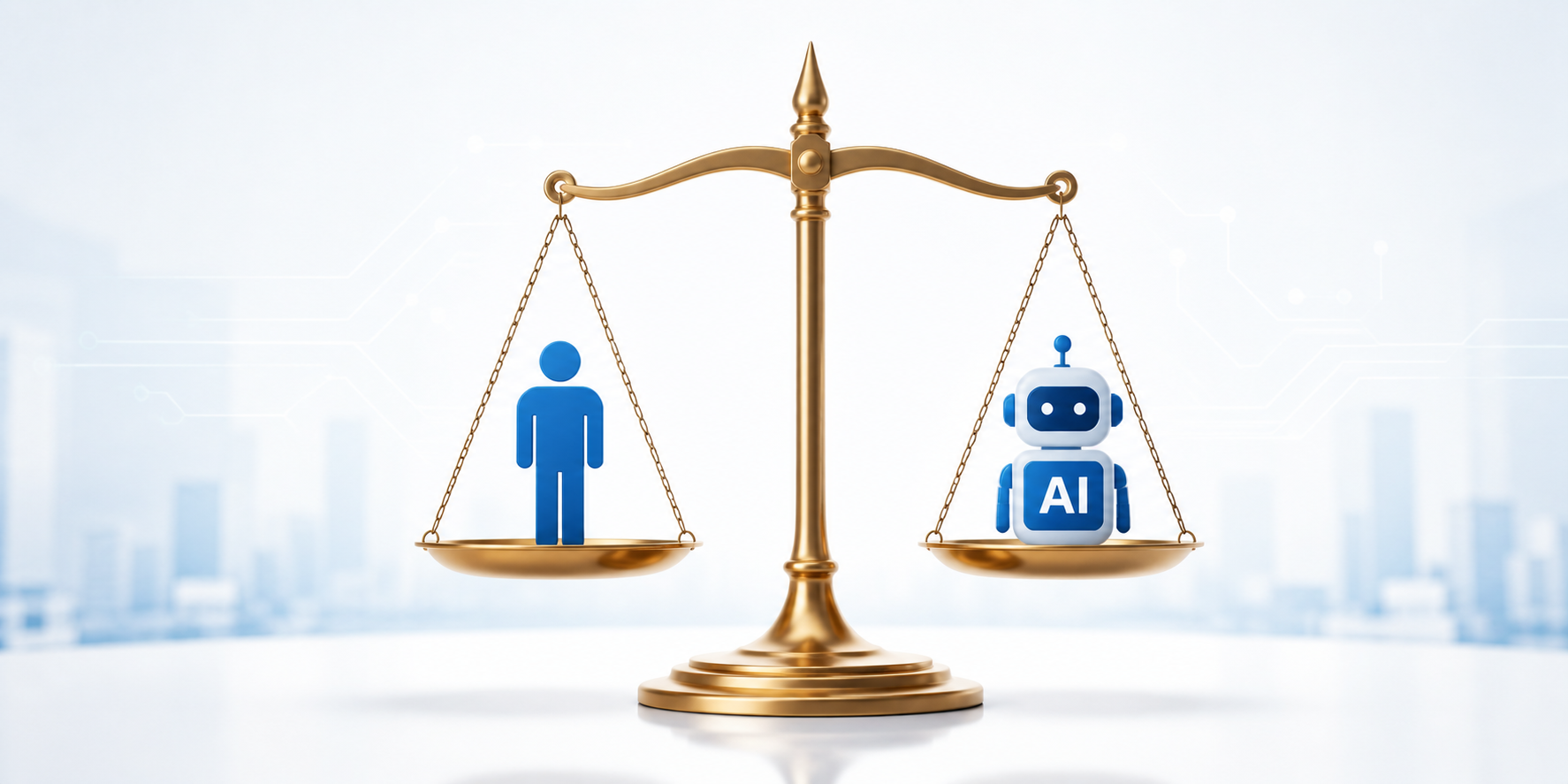
Image created with ChatGPT |
Unlike prior evaluations, the model worked with raw, unprocessed electronic health records, forcing it to interpret incomplete and unstructured data similar to real clinical scenarios.
The findings signal a shift toward more realistic testing of medical AI, but researchers caution that diagnostic accuracy alone does not equate to clinical readiness. Plus, the AI can only read text records; it can't evaluate X-rays, EKGs, or human panic.
Hospitals, regulators, and clinicians must still consider safety risks, testing decisions, and real-world judgment before integrating such systems into workflows.
Why it matters: Stronger diagnostic performance in ER scenarios suggests AI could become a valuable second-opinion tool at the earliest stages of care. But accuracy alone doesn't guarantee better outcomes, as clinicians still make critical decisions where AI missteps could cause harm. Regulators will be watching whether systems like o1-preview can actually integrate safely into workflows without eroding clinical oversight. |
|
|
|
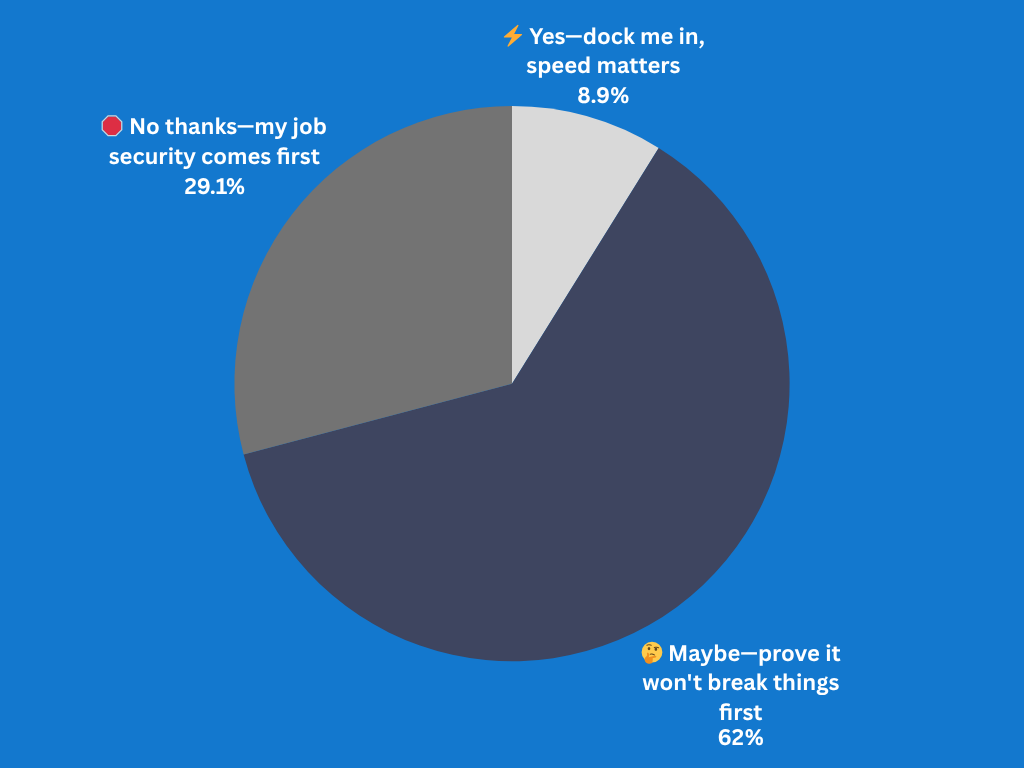
Would you trust AI to assist with ER diagnoses? |
|
|
|
Results from Yesterday's Pulse Check |
If outside AI consultants could double your output, what's your first reaction? |
|
|
|
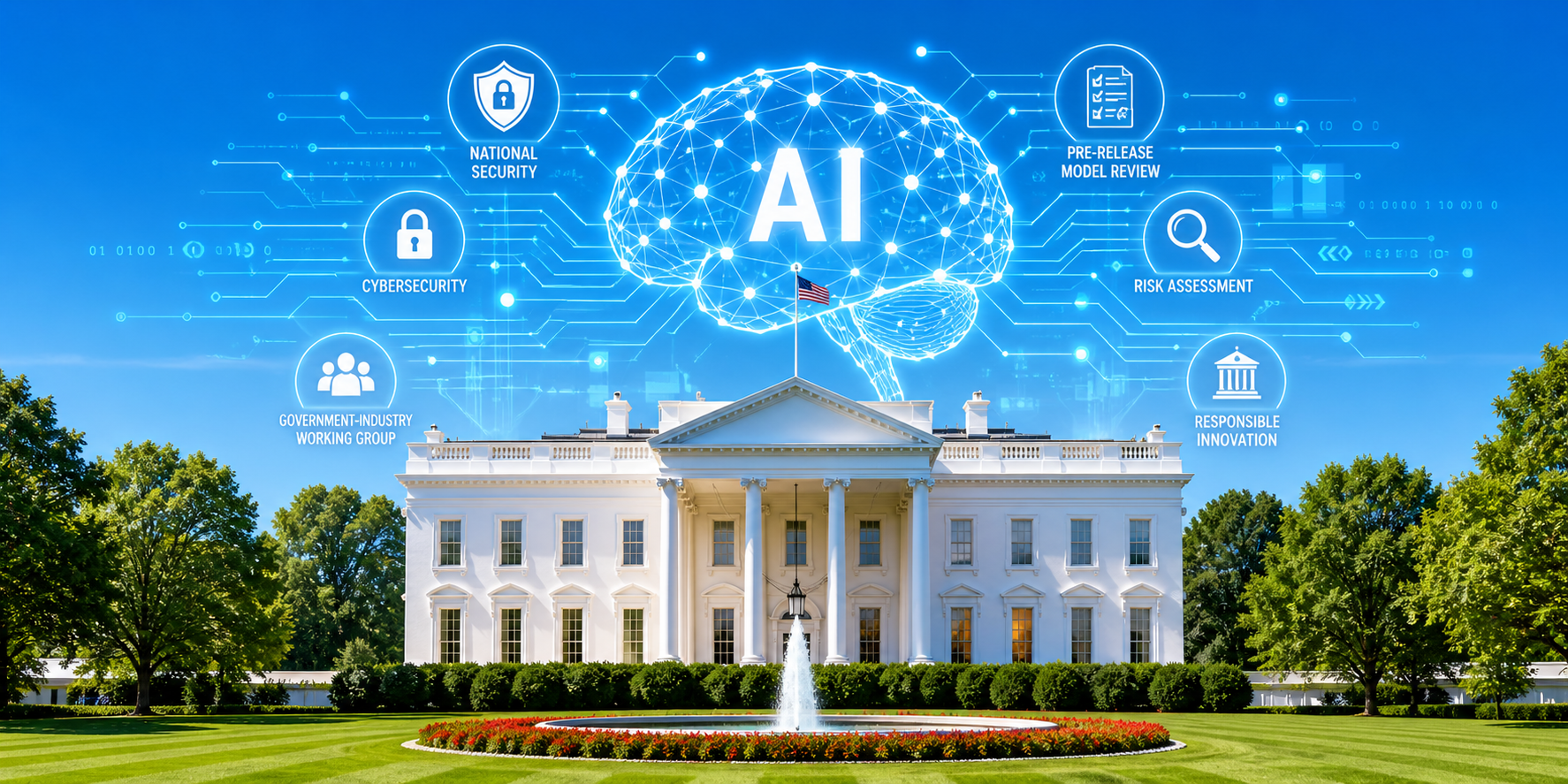
Big Tech Opens the Hood on AI, But Washington Wants the Keys |
Image created with ChatGPT |
The shift marks a wild reversal from the administration's earlier hands-off stance (remember when they revoked Biden's AI safety rules on day one?) as policymakers weigh national security risks, including AI-driven cyberattacks, and potential military applications.
The proposal could change how companies across the board deploy their AI models, introducing government visibility into capabilities before launch. It also signals pressure to balance innovation with safeguards, especially as AI systems demonstrate the ability to uncover software vulnerabilities at scale. |
|
|
|
Phishing Campaign Targets 35,000 Users Across 26 Countries |
When "internal" emails aren't what they seem.
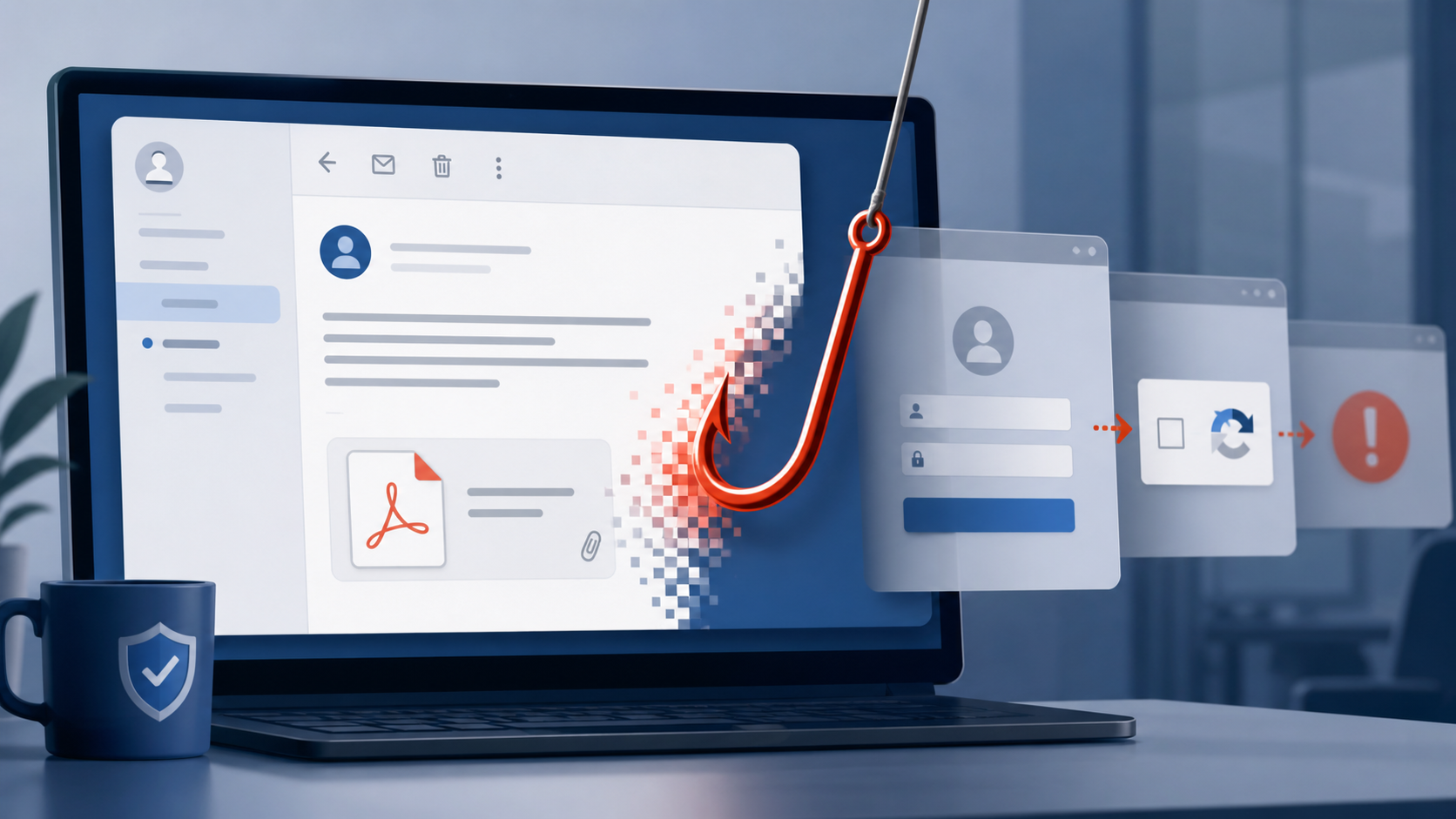
A sophisticated mid-April phishing campaign targeting over 35,000 users across 13,000 organizations has exploited trust in internal corporate communications.
Microsoft says the attack, largely concentrated in the US, used polished "code of conduct" emails sent through legitimate delivery services to appear authentic. They even included fake Paubox encryption banners to really sell the HIPAA-compliant illusion. |
Image created with ChatGPT |
Victims were funneled through malicious PDF attachments into multistep flows with CAPTCHA checks and fake login pages, enabling attackers to steal credentials and session tokens using adversary-in-the-middle (AitM) techniques that bypass standard MFA protections.
The campaign highlights how attackers are blending social engineering with trusted infrastructure to evade detection and increase success rates. Industries like healthcare, finance, and tech are especially exposed due to high-value data and reliance on cloud identity systems.
Organizations must train users and employees to treat urgent policy emails (and unexpected PDFs) with skepticism and monitor for unusual sign-ins. Since standard MFA isn't cutting it here, upgrading to phishing-resistant methods like FIDO keys or passwordless authentication is highly recommended.
|
Vimeo Breach Exposes Data of 119,200 Users |
A third-party integration reportedly exposed the personal data of 119,200 Vimeo users, bringing hard numbers to late April's Vimeo breach after a 106 GB archive of stolen records was leaked on the dark web by the ShinyHunters extortion group.
The attack stemmed from compromised Anodot credentials, proving once again that your secure core systems are only as safe as your weakest SaaS vendor.
While no passwords or payment data were accessed (the dump was predominantly video titles and metadata), exposed emails and names still create a wide attack surface for highly convincing phishing and follow-on attacks.
If you use Vimeo, stay alert for suspicious emails. Even though your login wasn't compromised, it never hurts to update your password and enable two-factor authentication anyway. |
Chinese Court Pushes Back on AI-Driven Layoffs |
Looks like AI can assist, not dismiss.
A Chinese court has ruled that companies cannot justify firing employees solely because AI can supposedly replace their roles.
In a case involving a fintech firm, the Hangzhou Intermediate People's Court ordered more than $38,000 in compensation after finding the company had unlawfully dismissed an employee. The worker's fatal error? Refusing a laughable 40% pay cut and demotion after the company automated parts of his job. |
Image created with ChatGPT |
Judges rejected the argument that AI adoption constituted a "major change in objective circumstances," emphasizing that employers must prove it is actually impossible to retain workers under existing contracts.
The ruling adds to a growing pattern of legal scrutiny in China—building on similar pro-worker precedents set in 2024 and 2025—where courts are drawing clearer lines between business efficiency and labor rights as AI adoption accelerates.
For enterprises and HR leaders, the decision underscores how AI-driven restructuring could face mounting legal challenges as more labor disputes tied to automation emerge. |
|
|
|
|
Senior Staff Writer at TechnologyAdvice |
Luis Millares is a seasoned tech writer with broad experience reviewing consumer gadgets and enterprise software, offering clear, reliable insights across the latest in technology. |
|
|
|
Curious about where AI is really headed? |
The Neuron cuts through the noise to bring you smart, hype-free takes on the latest AI trends, tools, and breakthroughs. Join 500,000+ professionals from top companies like Microsoft, Apple, Salesforce and more.
|
|
|
|
Advertise in Daily Tech Insider! Daily Tech Insider is a TechnologyAdvice business. © 2026 TechnologyAdvice, LLC. All rights reserved.
TechnologyAdvice, 3343 Perimeter Hill Dr., Suite 215, Nashville, TN 37211, USA. |
|
|
|
|