Start your engines, Tech Insiders.
GM is swapping Google Assistant for Gemini, robots are pushing humans off the assembly line, kernels are springing leaks, and the Pentagon just turbo-charged its AI arsenal. Strap in; today's ride has no rear-view mirror. |
|
|
|
Here's what you need to know today: |
|
|
|
GM Rolling Out Gemini to 4 Million Cars |
General Motors is rolling out Google's Gemini AI assistant to about 4 million 2022-and-newer Cadillac, Chevrolet, Buick, and GMC vehicles, swapping out the old Google Assistant via an over-the-air update—no dealership visit required.
Gemini can summarize incoming texts, draft emoji-filled replies, build playlists that match a mountain drive, and juggle follow-up navigation queries, all while tapping vehicle hardware and the owner's manual for vehicle-specific tips.
The rollout lands as GM phases out Apple CarPlay and Android Auto in future EVs; executives hope Gemini's chatty cockpit will mollify drivers who swear by those phone-mirroring apps. |
Owners will see an upgrade prompt over the next few months if they're logged into the Google Play Store, connected to OnStar, using US English, and explicitly opt in; a deeper OnStar-tuned AI assistant is promised later in 2026.
Why it matters: Voice assistants in cars usually top out at skipping tracks, starting directions, and making calls. Gemini could turn the dash into a real productivity hub and give GM cover for its controversial breakup with CarPlay. If the experiment works, expect rival automakers to copy-paste quickly. |
|
|
|
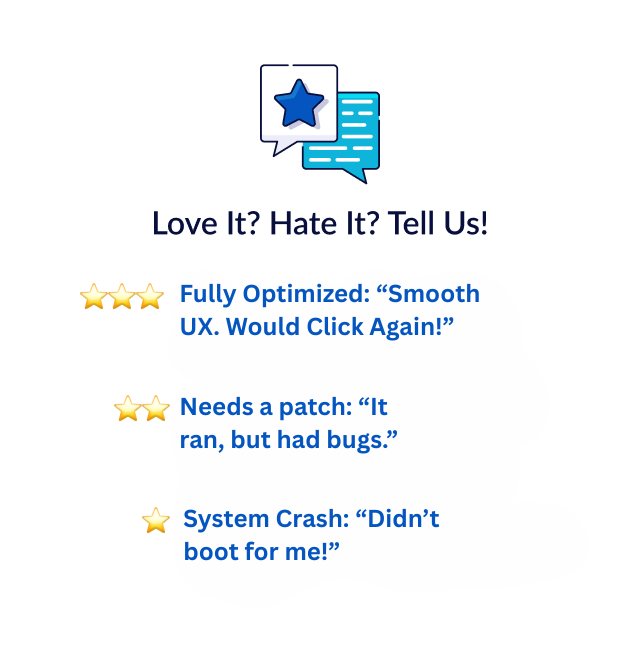
Would you let Gemini run the show in your GM dash? |
|
|
|
Results from Friday's Pulse Check |
Will AI-powered camera and photo tools convince you to upgrade this year? |
|
|
|
Meta Snaps Up ARI in Humanoid Gold Rush |
Image created with ChatGPT |
|
|
|
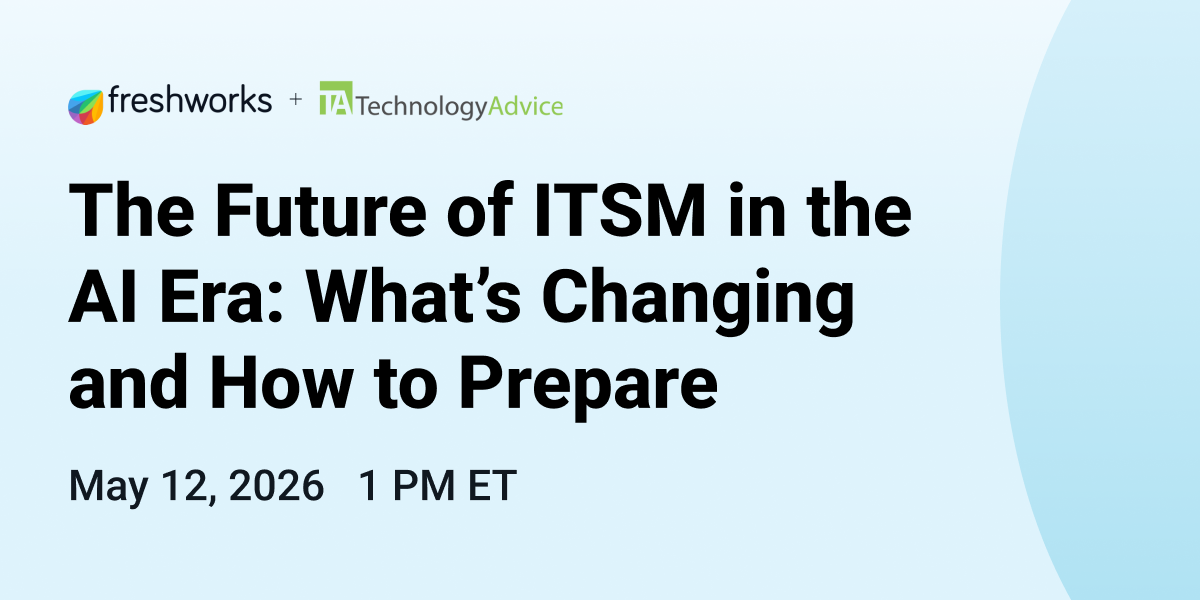
When manual processes start slowing resolution times, the question becomes where AI can actually improve performance. Reserve your spot for The Future of ITSM in the AI Era: What's Changing and How to Prepare, presented by Freshworks on May 12, 2026, at 1:00 p.m. ET, to learn how AI can improve workflows and decision-making.
See how to move from reactive to proactive service delivery. |
|
|
|
'Copy Fail' Bug Roots Nearly All Linux |
A tiny 732-byte Python script dubbed Copy Fail (CVE-2026-31431) can pop root on virtually every Linux distro released since 2017.
The logic flaw hides in the kernel's authencesn crypto template (a VPN handler that sloppily treats unowned memory as a scratchpad). Paired with the user-space crypto interface (AF_ALG sockets) and direct data-piping (splice()), it lets any local user overwrite four bytes in a set-uid binary's page cache and launch a full shell, even across containers and CI runners testing untrusted code.
Worse, because this corruption happens entirely in memory, standard file integrity monitors won't detect a thing. Upstream patches landed on April 1, and major distros are actively pushing updates. Patch your kernels immediately.
Until your vendor ships a fixed kernel (or if you can't reboot just yet), blacklist the vulnerable algif_aead module (the actual attack bridge) or block AF_ALG via seccomp to strictly deny those system calls. |
ChatGPT Adds Passkey-Only Mode With YubiKeys |
OpenAI has launched optional Advanced Account Security, letting any ChatGPT or Codex user ditch passwords entirely in favor of passkeys or FIDO hardware keys. The mode immediately disables email/SMS recovery, trims session length, and automatically excludes your chats from model training.
To ease the jump, a co-branded two-key YubiKey bundle costs $68 (you can access the deal via the security settings in ChatGPT), and participants in OpenAI's Trusted Access for Cyber program must enable the feature by June 1.
While anyone can opt in, this is built for high-risk targets. Casual users might want to sit this out. If you do store sensitive prompts or code, enroll only after you've registered at least two keys (one must work cross-device), saved all recovery codes offline, and tested sign-in. |
Pentagon Signs AI Mega-Deals Minus Anthropic
|
Late last week, the Pentagon inked classified-network agreements with Microsoft, Amazon Web Services, Nvidia, Oracle, Reflection AI, and more, green-lighting their frontier models for "lawful operational use" across secret and top-secret systems.
The deals, layered atop earlier pacts with Google, SpaceX, and OpenAI, feed GenAI.mil, the five-month-old portal already fielding tens of millions of prompts and deploying hundreds of thousands of agents from 1.3 million personnel.
By pushing models into Impact Level 6 and 7 clouds, commanders can crunch sensor feeds, draft plans, and spin up chat agents in minutes instead of months.
Conspicuously absent: Anthropic. The Claude maker balked at the military's demand for unfettered use, drawing a "supply-chain risk" label and a court fight. Pentagon brass responded by diversifying suppliers so no single lab can yank the plug—or impose ethics guardrails—again.
Ironically, while Defense Secretary Pete Hegseth recently called Anthropic's CEO an "ideological lunatic," the NSA is already testing the startup's dangerously potent new "Mythos" cybersecurity model, prompting the Trump administration to hint the blacklist could soon be reversed.
Not everyone's cheering. More than 600 Google staff circulated a letter urging a no-go, and researchers warn automation bias could seep into targeting decisions. Hegseth insists humans stay in the loop, but the new language gives commanders latitude to let AI whisper in their ear on everything short of the trigger pull.
|
|
|
|
|
Writer at TechnologyAdvice |
Justin Meyers is an investigative writer and editor who draws on over a decade of meticulous hands-on research to deliver the full, trustworthy story behind consumer and enterprise tech, including cybersecurity. |
|
|
|
Curious about where AI is really headed? |
The Neuron cuts through the noise to bring you smart, hype-free takes on the latest AI trends, tools, and breakthroughs. Join 500,000+ professionals from top companies like Microsoft, Apple, Salesforce and more.
|
|
|
|
Advertise in Daily Tech Insider! Daily Tech Insider is a TechnologyAdvice business. © 2026 TechnologyAdvice, LLC. All rights reserved.
TechnologyAdvice, 3343 Perimeter Hill Dr., Suite 215, Nashville, TN 37211, USA. |
|
|
|
|