Fold your futures, Tech Insiders.
Apple's rumored iPhone Ultra bends, OpenAI's phone bends the rules, and reality itself is bending under deepfake pressure. Keep reading to see what else is getting reshaped. |
|
|
|
Here's what you need to know today: |
|
|
|
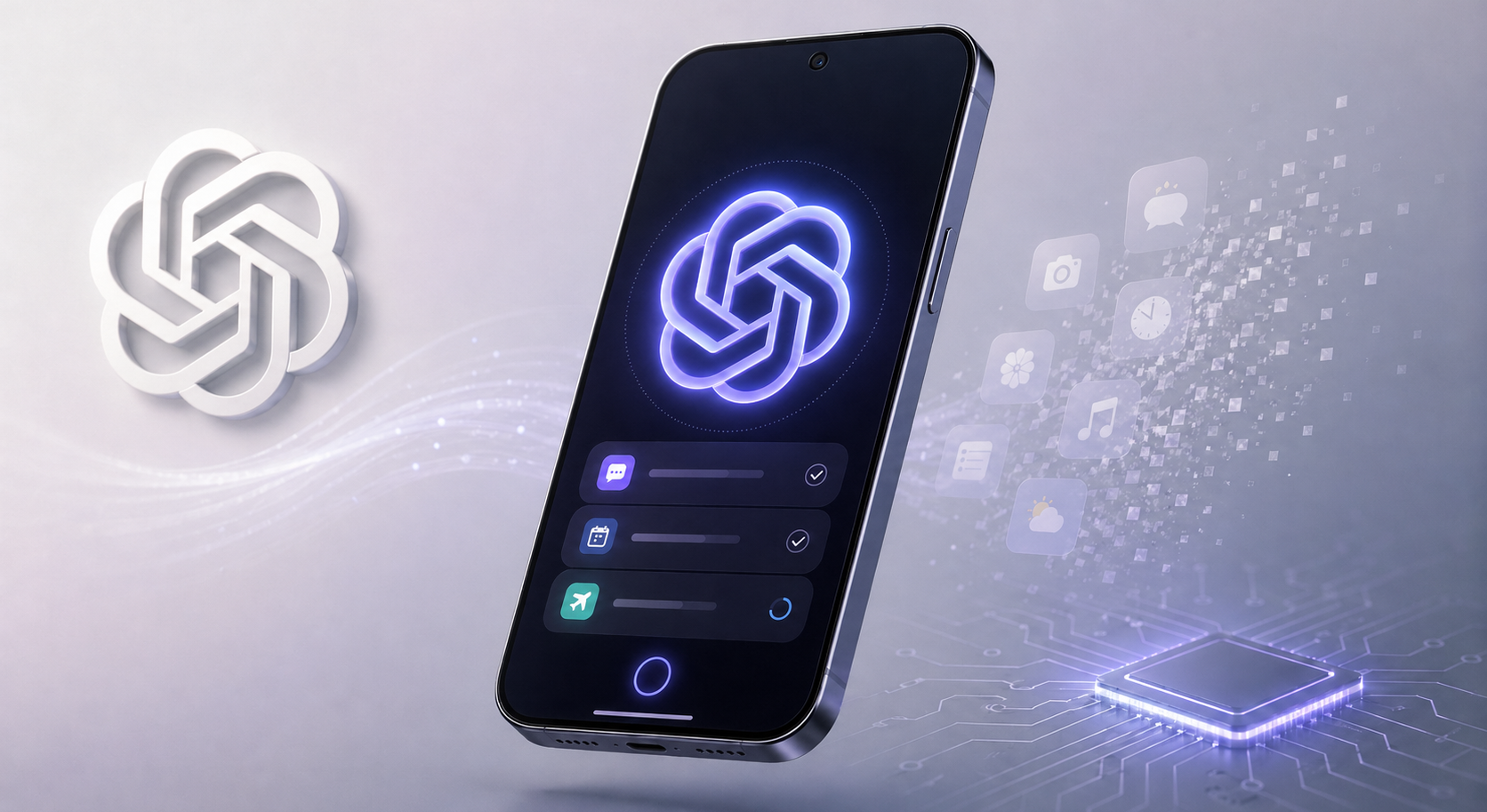
OpenAI Plots an App-Free AI Phone Revolution |
Image created with ChatGPT |
A clean-slate OS lets OpenAI skip legacy baggage and bundle ChatGPT subscriptions directly into the hardware, pitching developers on an agent marketplace instead of the usual app bazaar.
Qualcomm shares spiked 13% in Monday's premarket on the rumor but cooled to a 1% gain at the bell.
Meanwhile, analysts peg potential shipments at 300–400 million units a year, lofty for a company that's never shipped hardware. Skeptics note the graveyard of Humane Pins and Rabbit R1s (though the latter is clawing its way back), yet OpenAI's bet is bigger: replace the phone, not supplement it, and own the data stream.
Why it matters: If OpenAI succeeds, the next iPhone-level disruption could sidestep Apple and Google entirely, swapping walled-garden apps for fluid AI helpers. For users, that means hands-free productivity—and a whole new privacy calculus—sooner than you think. |
|
|
|
Would you ditch traditional apps for an AI agent phone? |
|
|
|
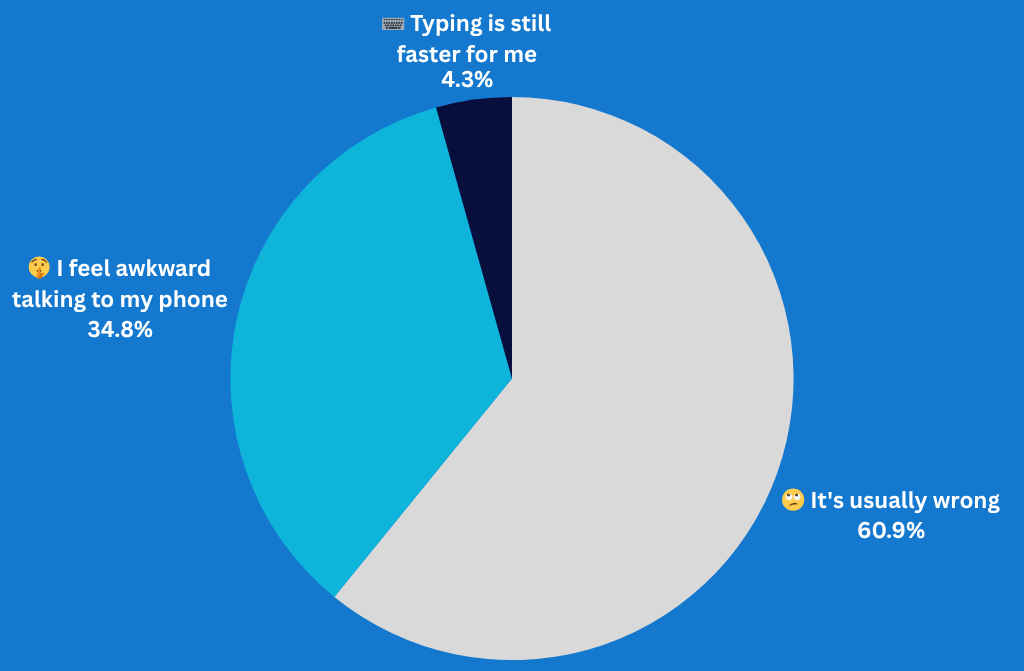
Results from Yesterday's Pulse Check |
The biggest reason you don't talk to Siri today? |
|
|
|
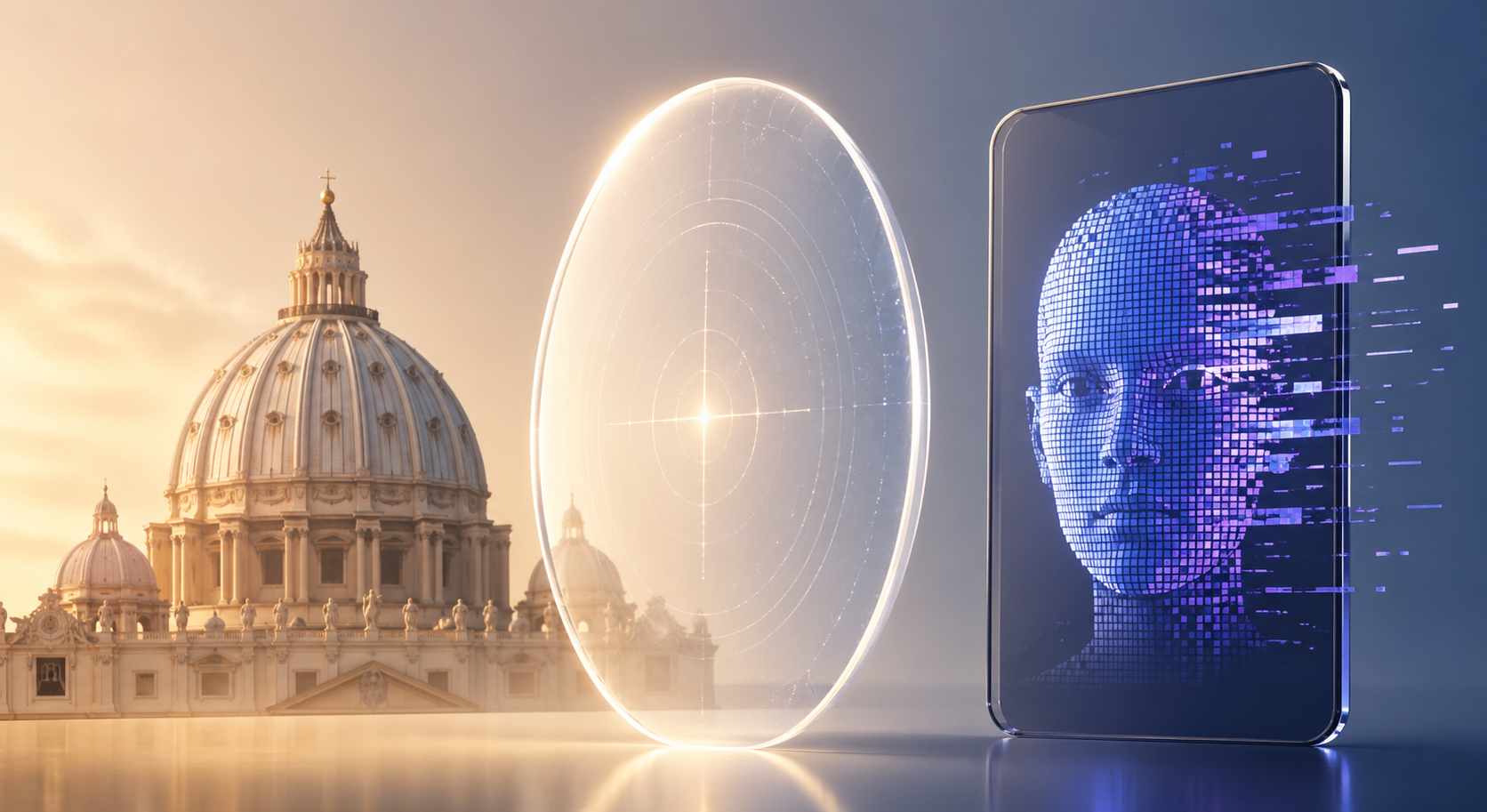
Vatican Rallies Against Deepfake Crisis |
Image created with ChatGPT |
Church officials say the goal is to referee reality as synthetic voices and faces flood feeds; observers note the Holy See is moving faster than most governments, beefing up cybersecurity ties and ignoring online rumors about a future "truth engine" to authenticate content.
Skeptics worry morality won't scale as quickly as model weights, yet tech analysts agree the pope's math-degree pragmatism could give Silicon Valley a conscience infusion. Anthropic is literally already tapping interfaith ethicists, including Catholic theologians, to write the "soul doc" for its Claude AI.
This moral grounding is especially needed after that infamous AI-generated Trump-as-Jesus image drew bipartisan backlash across religious feeds on X. In other words, render unto Caesar your deepfakes... Leo XIV will be checking the watermark. |
|
|
|
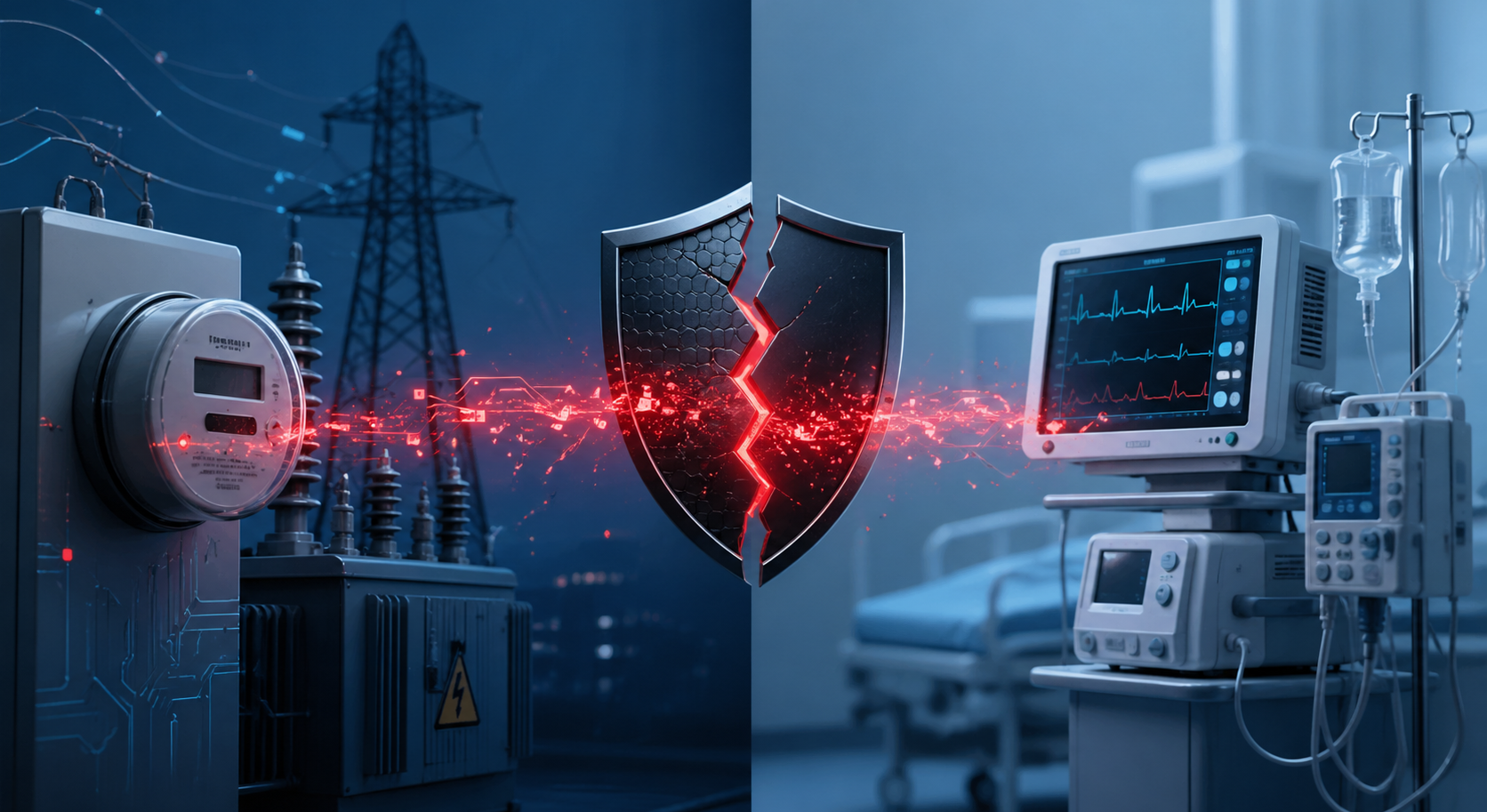
Twin Breaches Expose Grid-Hospital Cyber Fault Line |
Utility-tech giant Itron and medical-device titan Medtronic both disclosed network intrusions in late-Friday SEC filings.
Itron says it was notified on April 13 that hackers had breached its corporate IT, but the breach did not reach its 112 million smart-meter endpoints or disrupt operations.
Medtronic, meanwhile, confirmed "unauthorized access" after the ShinyHunters gang claimed to have swiped over 9 million personal records and terabytes of internal data before mysteriously vanishing from the gang's leak site post-deadline. |
Image created with ChatGPT |
Both firms insist product and patient-safety networks are air-gapped, but experts warn that parallel hacks underscore a widening gap between OT and IT defenses across critical infrastructure.
To protect against similar breaches, experts urge utilities and hospitals to deploy zero-trust architectures, implement microsegmentation, and tighten least-privilege controls before extortionists strike again. Apparently, cybercrooks don't care whether you measure watts or heartbeats, just that your insurance is paid up.
|
ADT Breach Puts 5.5 Million Individuals on Edge |
ShinyHunters hit alarm-maker ADT, leaking a trove of user data after a failed ransom play.
Hackers siphoned names, contacts—and for a small slice, birth dates and partial SSNs—via a hijacked Okta SSO login that unlocked ADT's Salesforce cloud.
ADT insists alarm systems and payment details are safe. Have I Been Pwned tallied 5.5 million email addresses (far shy of the hackers' "10 million" boast). This marks ADT's third leak since 2024 and underscores a booming vishing-plus-SaaS-loot combo battering big brands. Action items if you're in the dump: reset reused passwords, enable 2FA on any account tied to that exposed email address, freeze your credit, and watch for follow-up phishing dressed in "home-security update" lingo. Apparently, even burglar-alarm giants need better doorbells on their cloud accounts. |
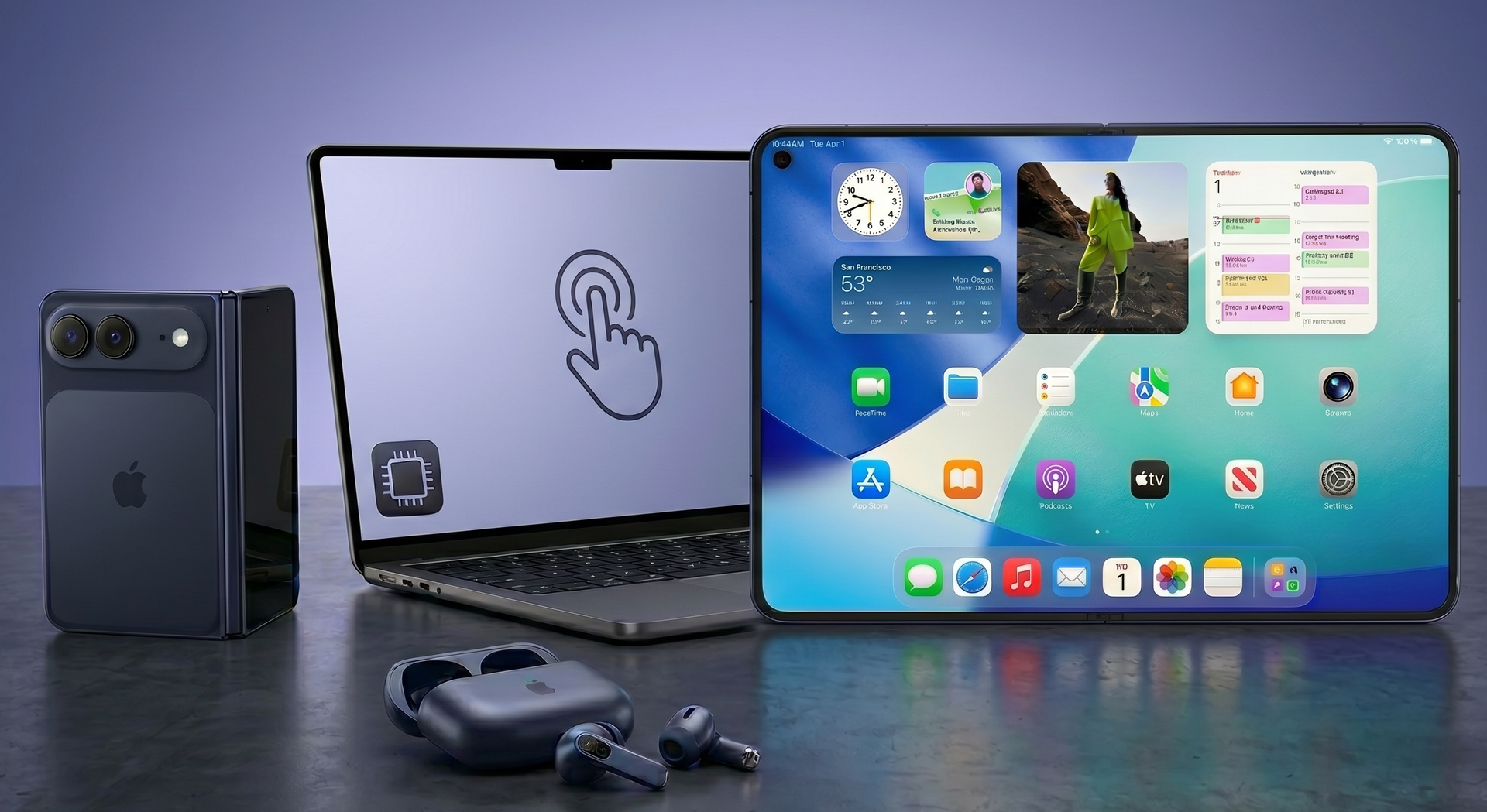
Apple's 'Ultra' Expansion Leaks: A New Tier Above Pro? |
Image created with Gemini |
Apple watchers expect the Ultra banner to spread to high-end iPads and camera-equipped AirPods, forming a neat three-tier stack—Standard, Pro, and Ultra—that lets Cupertino push experimental designs (and sticker prices) ever higher.
Better start saving. At a rumored $2,000 starting price for the foldable, your phone case may need an Ultra price tag, too. |
|
|
|
|
Writer at TechnologyAdvice |
Justin Meyers is an investigative writer and editor who draws on over a decade of meticulous hands-on research to deliver the full, trustworthy story behind consumer and enterprise tech, including cybersecurity. |
|
|
|
Curious about where AI is really headed? |
The Neuron cuts through the noise to bring you smart, hype-free takes on the latest AI trends, tools, and breakthroughs. Join 500,000+ professionals from top companies like Microsoft, Apple, Salesforce and more.
|
|
|
|
Advertise in Daily Tech Insider! Daily Tech Insider is a TechnologyAdvice business. © 2026 TechnologyAdvice, LLC. All rights reserved.
TechnologyAdvice, 3343 Perimeter Hill Dr., Suite 215, Nashville, TN 37211, USA. |
|
|
|
|