Helmets on, Tech Insiders.
Meta's new Muse Spark dazzles, Chrome finally straightens its act with vertical tabs, and AI keeps trading headcount for hype. Step carefully; innovation's tossing bricks while polishing the facade. |
|
|
Here's what you need to know today: |
|
|
Meta Goes All-In With Muse Spark AI |
"Avocado" ripens at last, and it's no guac joke.
Meta on Wednesday rolled out Muse Spark, the first model from Alexandr Wang's Meta Superintelligence Labs and the company's first new AI since its $14 billion Scale AI deal nine months ago. The natively multimodal system now powers the Meta AI app and is headed to Facebook, Instagram, Messenger, WhatsApp, and Ray-Bans in the coming weeks.
Built for speed, Muse Spark offers Instant and Thinking modes, with a more powerful Contemplating mode slated for the future. There's also a shopping mode that mines your social likes and a health focus trained with 1,000 doctors. |
Meta touts select benchmark wins over OpenAI, Google, and Anthropic while using only about one-tenth of the compute required by Llama 4, though it admits the model still lags rivals in coding.
Unlike the open Llama family, Muse Spark is closed. Meta is only offering a private API preview for now.
The market loved it: shares were up 6.55% at Wednesday's close even as skeptics recalled Llama 4's benchmark brouhaha and fretted over Meta's new closed-door strategy.
Why it matters: If Muse Spark delivers lean-and-mean performance, Meta could claw back relevance. But walling off the code could dent its "open" cred and muddle that shiny "personal superintelligence" promise. | |
|
Is Muse Spark enough to pull you away from ChatGPT? |
|
| Results from Yesterday's Pulse Check |
AI zero-day bloodhound: hero or hazard? |
|
|
Chrome Finally Embraces Vertical Tabs |
Who knew flipping tabs sideways could feel like spring-cleaning your brain?
Google's latest desktop Chrome update lets you ditch the cramped horizontal strip for a slick vertical sidebar. It's something Edge, Firefox, Arc, Vivaldi, and Brave nailed years ago, while Safari and Opera are still staring blankly.
Power users swear by the side view because full-page titles stay visible, tab groups expand neatly, and you can collapse the bar down to favicons when real estate runs tight. Right-click any Chrome window and hit "Show Tabs Vertically" to switch; because it is a per-window setting, your research monster and casual-browse windows can live different lives. |
Early testers enabled the feature weeks ago via a beta flag, but now it's rolling out broadly—no Canary build or extension required.
Google also revamped Reading Mode in Chrome. Instead of a skinny side panel, right-click and choose "Open in reading mode" for a full-page, distraction-free view with text-to-speech and typography tweaks. Think of it as Chrome's built-in noise-canceling headphones for cluttered news sites.
Engineers debated vertical tabs for a decade after dumping a prototype in 2011; renewed pressure from Arc's flashy UI and growing competition from other AI-powered browsers finally pushed the feature onto the fast track. Brace yourself; once you go vertical, you may never go back to the top. |
|
|
🛡️ Compare Cybersecurity Suites in Minutes The Best Cybersecurity Software of 2026 guide ranks leading endpoint, SIEM, and backup tools side by side so you can lock down threats with the right platform. 🐘 Back Up 5 TB Across 10 Devices
Secure cloud files with ElephantDrive 5 TB Plan: 2-Yr Subscription at $138.99 (88% off), syncing encrypted backups from NAS, mobile, and desktops for two solid years.
🤖 Fast-Track Your AI Analyst Hunt
The AI Analyst Hiring Kit helps you find and hire top AI analysts with a complete recruiting package filled with salary benchmarks, turnkey job specs, and precision interview prompts. 💻 This section contains sponsored tech insights. Advertise with us! |
|
|
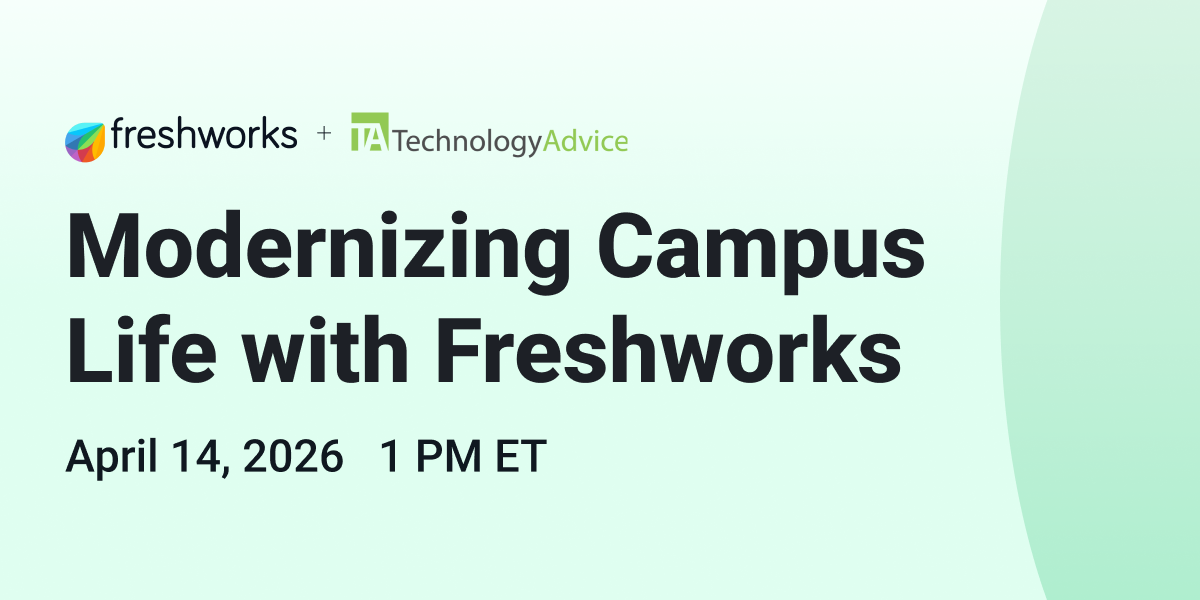
Campus service expectations continue to rise, but many institutions still rely on outdated service management systems that slow response times and strain IT teams.
Modernizing Campus Life with Freshworks, hosted by Freshworks and EDUCAUSE, takes place April 14, 2026, at 1:00 p.m. ET.
This final opportunity to join and learn how modern ITSM platforms automate service requests, streamline operations, and improve campus support. Registration closes soon. |
|
|
QR Code Traffic Smishing Hits Your Inbox |
Image created with Nano Banana Pro |
Treat unsolicited texts as smishing: check the sender's number, don't scan unknown QR codes, and verify tickets on a .gov site. If you slipped up, freeze the card and report to the FTC or IC3/FBI. Authorities never request payment via text.
A real court rarely chases you for pocket change, especially via SMS. |
Russian APT28 Hijacks Routers for Global Espionage |
Russia-linked hacking crew APT28—also called Forest Blizzard, Fancy Bear, or Sofacy (yes, they're all the same Russian intelligence crew)—quietly hijacked over 18,000 MikroTik and TP-Link routers, rewriting DNS settings to swipe passwords, OAuth tokens, and even whole email sessions.
Microsoft and the FBI say the spies hit 200+ organizations in 120 countries, siphoning Microsoft 365 tokens before a court-authorized FBI sweep, codenamed Operation Masquerade, neutralized the compromised US routers.
Authorities advise owners to upgrade end-of-life equipment, flash the latest firmware, reset DNS, disable remote admin, and use multifactor authentication—because a $40 router shouldn't give Kremlin spies a front-row seat.
If your router predates TikTok, retire it before the Russians do. |
AI Layoffs Surge: 16,000 US Jobs Vanishing Monthly |
Artificial-intelligence "efficiency" is now a regular pink-slip partner.
Goldman Sachs modeling finds AI substitution erased 25,000 US positions monthly over the past year, while AI-augmented hiring restored only 9,000, leaving a net 16,000-job drain. The pain skews heavily toward entry-level and administrative roles—prime territory for Gen Z and women in clerical work.
Those totals land atop a brutal cull. Trackers count nearly 79,000 global tech layoffs in Q1 2026 (over 76% in the US), with Oracle (about 25K cuts) and Amazon (16K) slimming headcount even while Oracle reports a 95% jump in net income to $6.1 billion and Amazon logs record revenues.
Nearly half of Q1's worldwide reductions were blamed on AI, and March saw AI cited in 25% of US layoff announcements. |
Image created with ChatGPT
|
Yet analysts warn "AI-washing" is real: some firms use the buzz as a narrative cover for correcting pandemic over-hiring.
Meanwhile, machine-learning talent demand is climbing, and companies like Cognizant say they'll retrain—rather than release—junior staff to wield the tools that threatened them. Translation: the robots took your job, but they're hiring for robot-whisperers. |
|
|
|
Writer at TechnologyAdvice |
Justin Meyers is an investigative writer and editor who draws on over a decade of meticulous hands-on research to deliver the full, trustworthy story behind consumer and enterprise tech, including cybersecurity. |
|
|
Curious about where AI is really headed? |
The Neuron cuts through the noise to bring you smart, hype-free takes on the latest AI trends, tools, and breakthroughs. Join 500,000+ professionals from top companies like Microsoft, Apple, Salesforce and more.
|
|
|
Advertise in Daily Tech Insider! Daily Tech Insider is a TechnologyAdvice business.
© 2026 TechnologyAdvice, LLC. All rights reserved. TechnologyAdvice, 3343 Perimeter Hill Dr., Suite 215, Nashville, TN 37211, USA. |
|
|
|