Control layers are slipping in unexpected places. |
From browser exploits and backend access flaws to trusted apps turning malicious and cloud leaks brewing risk, today’s stories highlight how exposure can emerge from unexpected places.
Read past newsletters here. |
|
| Here’s what you need to know: |
|
|
Cisco IMC Vulnerability Enables Remote Admin Takeover |
A vulnerability in Cisco’s Integrated Management Controller (IMC) allows remote attackers to seize administrative control of UCS servers without authentication. The flaw carries a CVSS of 9.8 and allows attackers to send crafted requests to reset credentials and gain full admin access. |
Cisco has released a patch and there are no reports of active exploitation at the time of publication.
Apply the latest patch, isolate management interfaces, enforce MFA via monitored jump hosts, and continuously monitor for suspicious access or credential changes.
|
Google Confirms Active Chrome Exploit |
Google has patched a Chrome vulnerability that is already being exploited in the wild. The WebGPU use-after-free flaw allows memory manipulation and potential code execution in the browser, and when chained with other bugs, could enable sandbox escape and deeper system compromise. The recent Chrome update also included fixes for twenty additional vulnerabilities.
Patch Chrome across all systems, restrict high-risk browser features, and monitor endpoints for unusual crashes or suspicious activity to detect exploitation early. |
WhatsApp Messages Deliver Windows Malware |
A malware campaign is abusing WhatsApp messages to deliver malicious scripts that compromise Windows systems. Attackers exploit trust in WhatsApp by delivering VBS attachments that execute on click, establish persistence, bypass defenses like UAC, and pull payloads from trusted platforms. The campaign remains active in the wild at the time of publication.
Block or restrict script-based attachments, enforce zero trust controls on endpoints, and monitor for abnormal registry or UAC changes to catch stealthy persistence early. |
| |
Infrastructure Reality Check: How resilient is your network? |
|
|
Yesterday's Pulse Check Results |
Supply Chain Reality Check: How exposed is your build pipeline? |
|
|
Security Tools You Can Use |
-
Explore how Cisco is redefining cybersecurity with solutions designed to protect your entire digital ecosystem. Discover solutions
-
Build your skills — earn your CompTIA CSIE with CySA+, CASP, Security+, and Pentest+ training for 74% off.
-
Protect your business from threats — get 30% off Bitdefender’s powerful cloud and on-premise protection today.
|
|
|
Starbucks Leak Brews Security Concerns |
A threat group claims to have accessed Starbucks data via a misconfigured S3 storage bucket, potentially exposing sensitive code and device firmware. If confirmed, the incident could expose both corporate systems and in-store technologies. |
Starbucks has not commented on the alleged incident at the time of publication.
Audit cloud storage for exposure, enforce least-privilege access with public access blocked, and continuously monitor for anomalous activity to catch misconfigurations early. |
Iran Escalates Threats Against Big Tech |
Iran’s IRGC has issued direct threats against major U.S. tech companies operating in the Middle East, warning of potential attacks on their regional assets.
The escalation suggests a shift toward physical targeting of digital infrastructure, putting facilities, personnel, and regional operations at risk — particularly for tech firms tied to surveillance and targeting capabilities. While the immediacy of the threat remains unclear, the situation underscores the growing convergence between geopolitics, cyber capabilities and kinetic conflict.
Activate regional contingency plans, restrict on-site operations, and validate physical security and evacuation protocols for all Middle East facilities. |
|
|
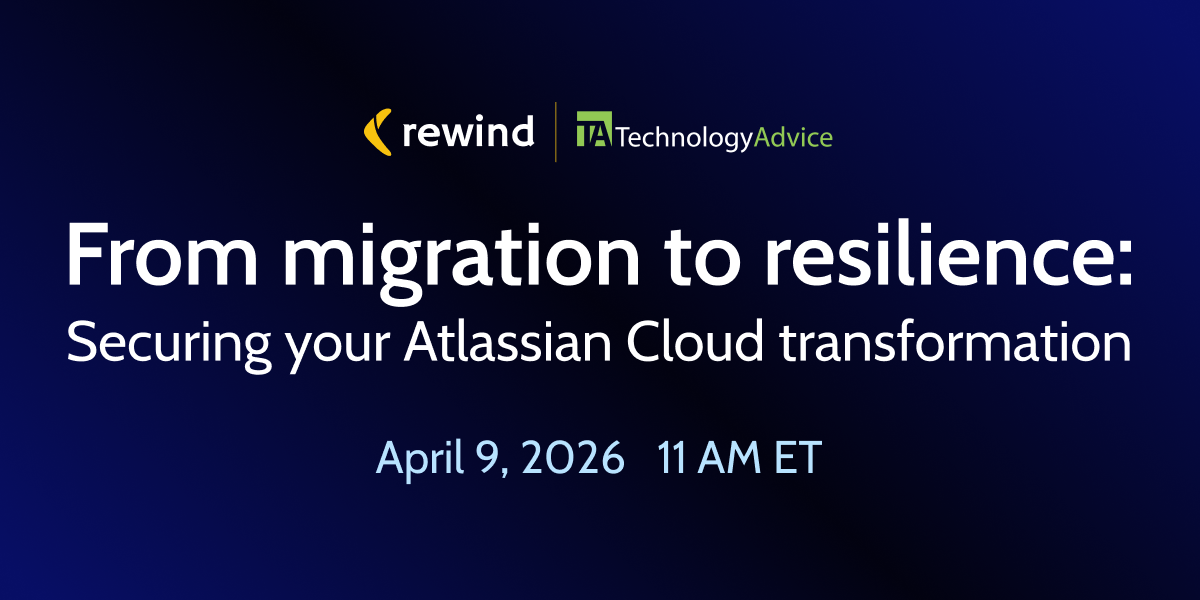
Migration doesn’t eliminate risk, it redistributes it.
On April 9, 2026 at 11:00 AM ET, Rewind will explore how to secure DevOps cloud transformations with validated backup, retention governance, and recovery planning. Don’t wait for an audit or outage to expose gaps. |
|
|
How Secure Is Your Cloud Environment? |
Cloud misconfigurations and overexposed storage continue to drive major incidents, often without sophisticated exploits. As organizations scale cloud usage, visibility gaps, excessive permissions, and poor monitoring create entry points for attackers targeting sensitive data and critical infrastructure. |
How to harden your cloud environments: |
- Enforce least privilege and require phishing-resistant MFA to reduce unauthorized access risk.
-
Enable logging, encrypt data at rest and in transit, and continuously monitor for public exposure or suspicious activity.
-
Automatically detect misconfigurations, enforce policies, and secure cloud workloads at scale using tools like CSPM and CNAPP.
|
Cloud security requires ongoing monitoring, strong access controls, and automation to reduce risk while ensuring flexibility to meet business needs. |
|
|
|
Ken Underhill is an award-winning cybersecurity professional, bestselling author, and seasoned IT professional. He holds a graduate degree in cybersecurity and information assurance from Western Governors University, bringing years of hands-on experience to the field. |
|
|
Cybersecurity Insider is a TechnologyAdvice business |
© 2026 TechnologyAdvice, LLC. All rights reserved. |
TechnologyAdvice, 3343 Perimeter Hill Dr., Suite 215, Nashville, TN 37211, USA. |
|
|
|