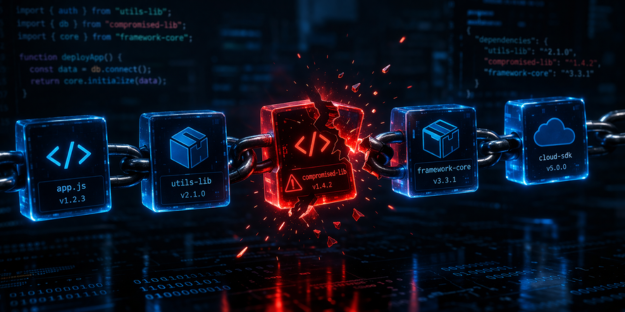
Trusted code is turning into an attack path. |
From hijacked npm packages to CI/CD breaches and massive data leaks, supply chain risks are hitting at scale — while a new crypto threat looms on the horizon. Read past newsletters here. |
|
|
Here’s what you need to know: |
|
|
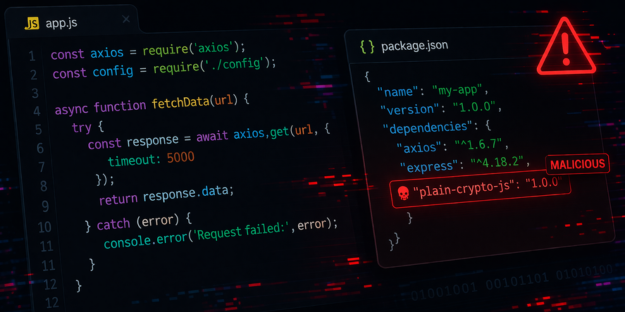
Axios npm Attack Spreads Cross-Platform RAT |
A popular npm package was briefly hijacked to deliver a stealthy cross-platform remote access trojan (RAT) to unsuspecting users. Snyk researchers found that the attackers used a compromised maintainer account to insert a malicious dependency that executed during install and deployed obfuscated, cross-platform payloads. |
Organizations should audit for versions 1.14.1 and 0.30.4 and remove those from their environment and rotate secrets on impacted systems. Immediately audit lockfiles and enforce strict dependency pinning to prevent unauthorized package updates from silently entering your build environment. |
GIGABYTE Vulnerability Enables Remote Code Execution |
A vulnerability in GIGABYTE’s Control Center utility enables unauthenticated attackers to remotely execute code. The flaw enables unauthenticated arbitrary file writes leading to full system compromise. A patch has been released for the vulnerability. Apply the latest patch, disable the pairing feature, and restrict inbound network access on affected systems. |
Cisco Hit by Supply Chain Breach via Trivy Tool |
Attackers breached Cisco’s development environment using credentials stolen via a compromised Trivy GitHub Action. The incident shows how trusted CI/CD tools can become entry points, enabling attackers with valid credentials to access systems and exfiltrate code.
This reflects a shift toward scalable, identity and pipeline-based supply chain attacks that are harder to detect and contain. Immediately rotate all CI/CD and cloud credentials and replace long-lived secrets with short-lived tokens enforced by MFA and workload identity controls. |
|
|
Supply Chain Reality Check: How exposed is your build pipeline? |
|
|
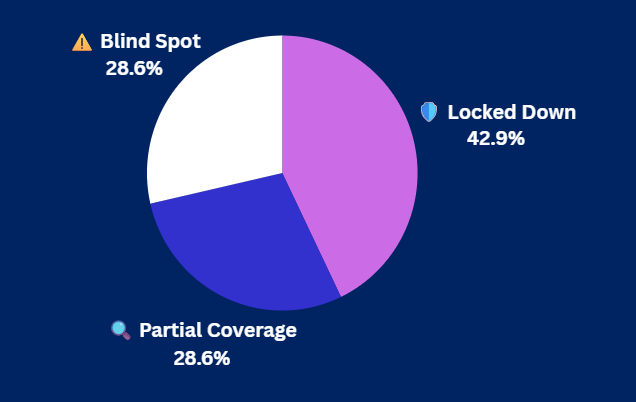
Yesterday's Pulse Check Results |
AI Data Exfiltration Reality Check: Are Your LLMs Leaking Data? |
|
|
Security Tools You Can Use |
|
|
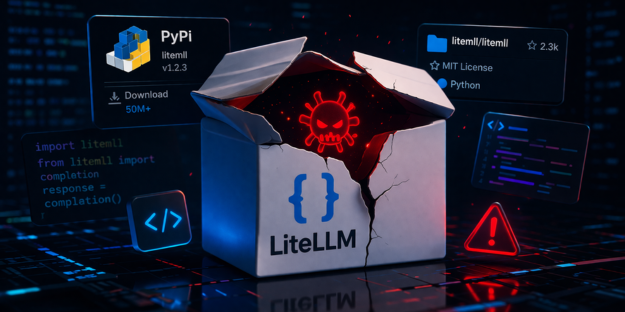
LiteLLM Attack Triggers 4TB Mercor Data Breach |
A LiteLLM supply chain attack enabled attackers to breach Mercor AI and steal an estimated 4TB of sensitive data. Attackers used compromised PyPI credentials to distribute backdoored LiteLLM versions, enabling credential theft, lateral movement, and large-scale exfiltration. |
The company is continuing to investigate the full scope of the incident.
Verify the integrity of all AI-related dependencies using signed packages and provenance checks before allowing them into production pipelines. |
Google Warns Quantum Threat to Crypto Is Closer |
New Google research suggests quantum computers may break core cryptocurrency cryptography sooner than expected. The findings lower the estimated resources needed to break elliptic curve cryptography used by Bitcoin and Ethereum, raising concerns for long-term security planning.
While still theoretical, exposed public keys could enable transaction hijacking, increasing pressure to accelerate post-quantum preparedness. Begin inventorying cryptographic dependencies now and prioritize a phased migration roadmap to post-quantum cryptography before exposure windows shrink further. |
| |
Phishing attacks are getting smarter—are your employees ready?
With Adaptive Security’s phishing simulations, you can test real-world scenarios, identify vulnerabilities, and strengthen your team’s defenses before threats strike.
Easy to deploy and backed by actionable insights, it’s a smarter way to build a security-first culture. See how your organization stacks up and start improving today. |
|
|
Are You Trusting Your Software Supply Chain Too Much? |
Software supply chain attacks are increasing as threat actors target trusted dependencies, build pipelines, and developer tools to gain access to environments. Recent compromises involving widely used libraries and CI/CD pipelines highlight the growing risk organizations face from third-party code they rely on. |
How to secure your software supply chain: |
- Enforce dependency pinning, maintain an SBOM, and verify code signing and provenance to ensure only trusted components enter your environment.
-
Harden CI/CD pipelines with least privilege, isolate build environments, and use DevSecOps tools to control integrations and reduce supply chain risk.
-
Implement strong secrets management and runtime monitoring (EDR/XDR) to detect suspicious activity and limit the impact of compromised systems.
|
Supply chain security is a core part of modern development, and applying visibility, verification, and least-privilege practices helps organizations reduce risk. |
|
|
|
Ken Underhill is an award-winning cybersecurity professional, bestselling author, and seasoned IT professional. He holds a graduate degree in cybersecurity and information assurance from Western Governors University, bringing years of hands-on experience to the field. |
|
|
Cybersecurity Insider is a TechnologyAdvice business |
© 2026 TechnologyAdvice, LLC. All rights reserved. |
TechnologyAdvice, 3343 Perimeter Hill Dr., Suite 215, Nashville, TN 37211, USA. |
|
|
|