Trust boundaries are getting tested from every angle. |
From SaaS misconfigurations and plugin flaws to executive account breaches and looming platform risks, today’s stories reveal how small gaps can scale fast… while regulators move to rein in AI abuse.
Read past newsletters here. |
|
| Here’s what you need to know: |
|
|
Jira Vulnerability Enables Full Account Takeover |
A stored XSS vulnerability in Jira Work Management exposes organizations to full administrative compromise. SnapSec researchers found that poor input validation in custom priority URLs lets low-privilege users inject persistent scripts that execute in higher-privileged sessions, enabling privilege escalation and broad access.
|
The researchers did not report any exploitation in the wild at the time of publication.
Immediately restrict who can modify global configurations like priorities and implement server-side validation plus CSP protections to neutralize stored XSS payload execution paths. |
EU Targets Non-Consensual AI Deepfakes |
European lawmakers have overwhelmingly approved a ban on AI tools used to create non-consensual sexual deepfakes, marking a significant regulatory shift. The move responds to a surge in “nudifier” tools targeting women and minors, setting clear limits on AI that manipulates identifiable individuals without consent.
While safeguarded tools are exempt, extended AI Act deadlines give organizations more time to meet requirements like watermarking. Start now by inventorying AI media tools and adding guardrails like consent checks, watermarking, and deepfake detection before the deadlines. |
Threat Actors Breach FBI Director’s Personal Email |
Threat actors linked to Handala breached FBI Director Kash Patel’s personal email, exposing photos, messages, and documents. The breach highlights how senior leaders’ personal accounts remain prime targets, with even historical data offering attackers valuable context for social engineering campaigns. The FBI has stated that no government systems or classified data were compromised in the incident. Enforce phishing-resistant MFA with hardware keys, secure executive personal accounts and devices, and monitor for credential leaks or impersonation attempts. |
|
|
Can your organization handle XSS attacks? |
|
|
Yesterday's Pulse Check Results |
Data Exposure Reality Check: How secure is your corporate data? |
|
|
Security Tools You Can Use |
|
|
WordPress Plugin Vulnerability Exposes Config Files |
A vulnerability in the Smart Slider 3 plugin allows authenticated users to access sensitive files on affected WordPress sites. Missing capability checks in export functionality let low-privileged users access sensitive files like wp-config.php, exposing credentials and keys. |
Hundreds of thousands of sites are still unpatched and a patch has been released for the vulnerability. Patch to the latest version, enforce least privilege on user roles, and monitor for suspicious export activity to prevent low-level users from accessing sensitive files. |
Secure Boot Expiration Puts Windows Systems at Risk |
Microsoft is urging organizations to prepare for Secure Boot certificate expirations starting June 2026, which could disrupt trusted system startup if not addressed.
Because Secure Boot protects against bootkits and pre-OS threats, failing to update certificates may prevent systems from validating components or booting properly. The warning coincides with new Windows 11 updates improving setup and recovery, underscoring the need for proactive planning across endpoints, VMs, and recovery workflows.
Deploy the latest updates, inventory affected systems, and test Secure Boot certificate migrations and recovery workflows before the deadline. |
|
|
Migration doesn’t eliminate risk, it redistributes it.
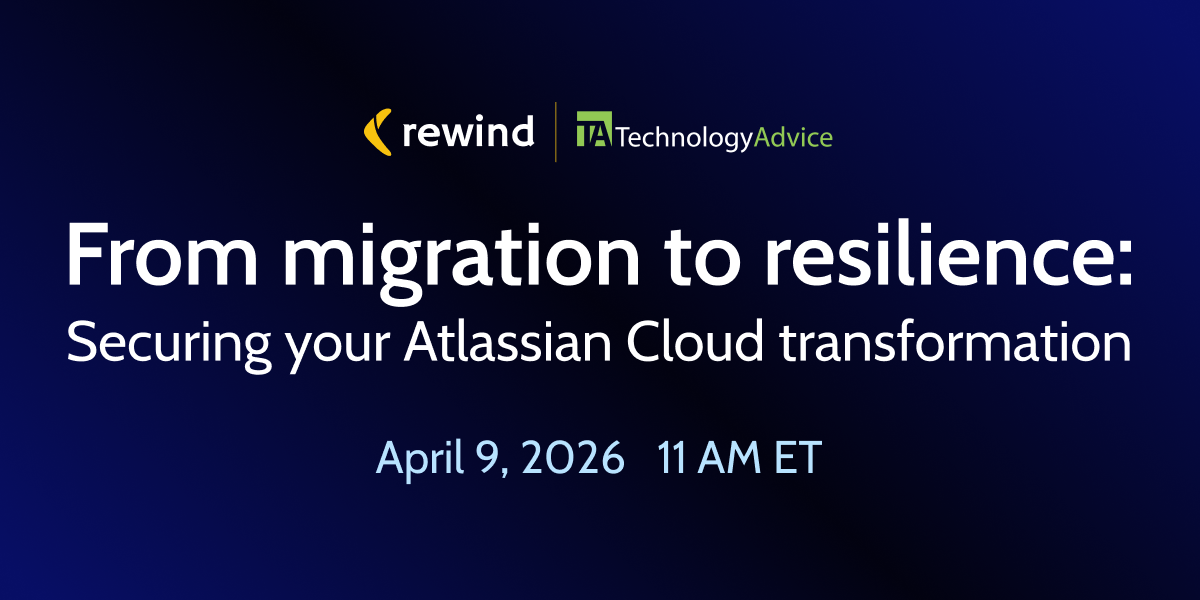
On April 9, 2026 at 11:00 AM ET, Rewind will explore how to secure DevOps cloud transformations with validated backup, retention governance, and recovery planning. Don’t wait for an audit or outage to expose gaps. |
|
|
What’s Your XSS Defense Strategy? |
Cross-site scripting (XSS) remains a common web application vulnerability, allowing attackers to inject malicious scripts into trusted sites. As apps become more dynamic, unvalidated inputs can enable data theft, session hijacking, and account compromise. |
How to protect your applications from XSS attacks: |
-
Validate and sanitize inputs, apply output encoding, and use secure frameworks to prevent malicious scripts from executing in the browser.
- Enforce content security policies and deploy a WAF to restrict and block unauthorized or malicious script activity.
-
Integrate DevSecOps tools to continuously identify and remediate XSS vulnerabilities early in development.
|
A layered approach combining secure coding and defensive controls helps reduce XSS risk and limit the blast radius. |
|
|
|
Ken Underhill is an award-winning cybersecurity professional, bestselling author, and seasoned IT professional. He holds a graduate degree in cybersecurity and information assurance from Western Governors University, bringing years of hands-on experience to the field. |
|
|
Cybersecurity Insider is a TechnologyAdvice business |
© 2026 TechnologyAdvice, LLC. All rights reserved. |
TechnologyAdvice, 3343 Perimeter Hill Dr., Suite 215, Nashville, TN 37211, USA. |
|
|
|