Brew's on, Tech Insiders.
Gemini pulled a triple-shot for faster chatter, GitHub's nibbling your secret sauce, hackers dripped past MFA filters, Google's racing the quantum espresso timer, and Meta's skimming foam off payroll. Sip your joe; we're pouring the week's hottest refills below. |
|
|
Here's what you need to know today: |
|
|
Google's Gemini 3.1 Flash Live Speeds Up AI Talk |
So long, awkward robo-pauses; Gemini just grabbed an espresso. Yesterday, Google unveiled Gemini 3.1 Flash Live, its fastest and most natural-sounding voice model yet. The upgrade now powers Search Live and Gemini Live in more than 200 countries, and developers can tinker via a preview Live API.
Google says the model filters background noise, deciphers pitch and pace, and keeps track of a conversation twice as long as before. Benchmarks back the brag: it hit 90.8% on ComplexFuncBench Audio (acing complex, multistep tasks). It also scored 36.1% on Scale AI's Audio MultiChallenge, a brutal test of handling messy human interruptions, where that seemingly low number is actually the reigning high score for real-time models.
|
Enterprises like Verizon and Home Depot are already testing agents that survive chaotic call centers. For everyday users, benefits arrive immediately—ask a rapid-fire string of questions, or point your phone's camera at a real-world problem, and Gemini replies with fewer ums and blank stares, in over 90 languages.
All output is watermarked with SynthID, so the human-sounding chat still carries an AI fingerprint.
Developers get real-time audio, vision, and tool-calling over WebSockets, with partner SDKs from LiveKit, Voximplant, and more. Update that model string to gemini-3.1-flash-live-preview, and you're off to the races.
Why it matters: Voice interfaces finally feel less like hold music and more like real conversations. Faster, context-savvy AI could replace phone trees, power hands-free assistants in cars, or let smart glasses translate life on the fly. Just remember, if the support rep never gets irritated, you might be talking to Flash Live. |
|
|
Would you let Gemini answer your next customer-service call? |
|
|
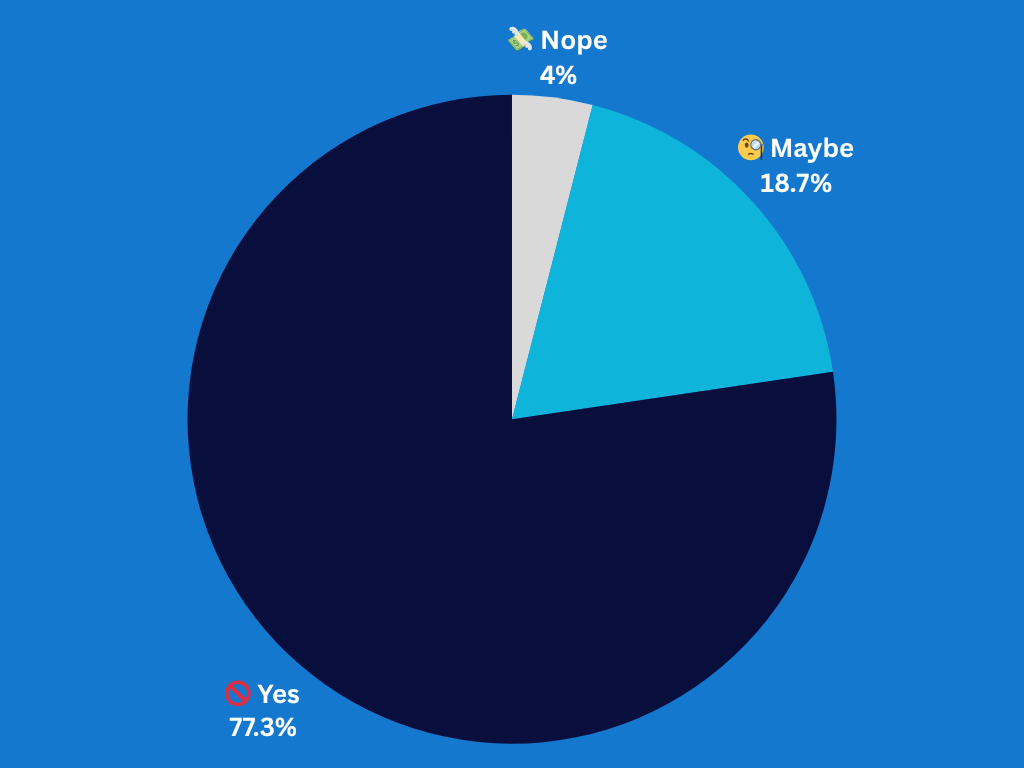
Results from Yesterday's Pulse Check |
Do surprise shutdowns make you hesitate to pay for new AI tools? |
|
|
GitHub Copilot Makes Your Code Training Fuel By Default |
Turns out the Octocat is hungry, and your keystrokes are on the menu. GitHub just rewrote the fine print: starting April 24, every prompt, suggestion, and accepted snippet from Copilot Free, Pro, and Pro+ users will be shoveled into Microsoft's AI training pipeline unless you explicitly say no. Business and Enterprise tiers—along with verified students, teachers, and anyone who toggled "no thanks" previously—stay off the buffet.
Everyone else is auto-enrolled, because "industry practice," says Chief Product Officer Mario Rodriguez. |
The data grab covers more than autocompleted lines. GitHub will slurp code context around your cursor, file names, repo structure, navigation patterns, and thumbs-up/-down feedback. Even code from private repos can slip in while Copilot is active, though content "at rest" remains untouched. GitHub claims real-world interactions raised acceptance rates inside Microsoft, so wider harvesting should yield smarter, more secure suggestions for all. Developers aren't thrilled. Forum threads are piling up with thumbs down, and privacy watchdogs note the opt-out approach clashes with Europe's favored opt-in norms. GitHub counters that users retain full feature access whether they share data or not, and that affiliates (read: Microsoft) are the only partners with whom the trove will be shared.
Opt out in Settings under Privacy if you'd rather your secret sauce stay in the kitchen; otherwise, Copilot will happily taste-test it for the greater coding good next month. |
|
|
AI Assistants' Leap From Code to Chores |
AI adoption is accelerating, and so are the risks and opportunities that come with it. This week's top insights highlight how enterprises are navigating smarter AI use, evolving cyberthreats, and shifting cloud strategies in a rapidly changing landscape. As AI becomes embedded across operations, organizations must balance innovation with stronger governance and security. Get the key takeaways shaping IT priorities without digging through the noise. |
|
|
EvilTokens' Device-Code Phish Sneaks Past Microsoft 365 MFA |
A fast-moving phishing wave has breached 340+ Microsoft 365 organizations across five countries, Huntress reports. The campaign exploded in March after simmering since February.
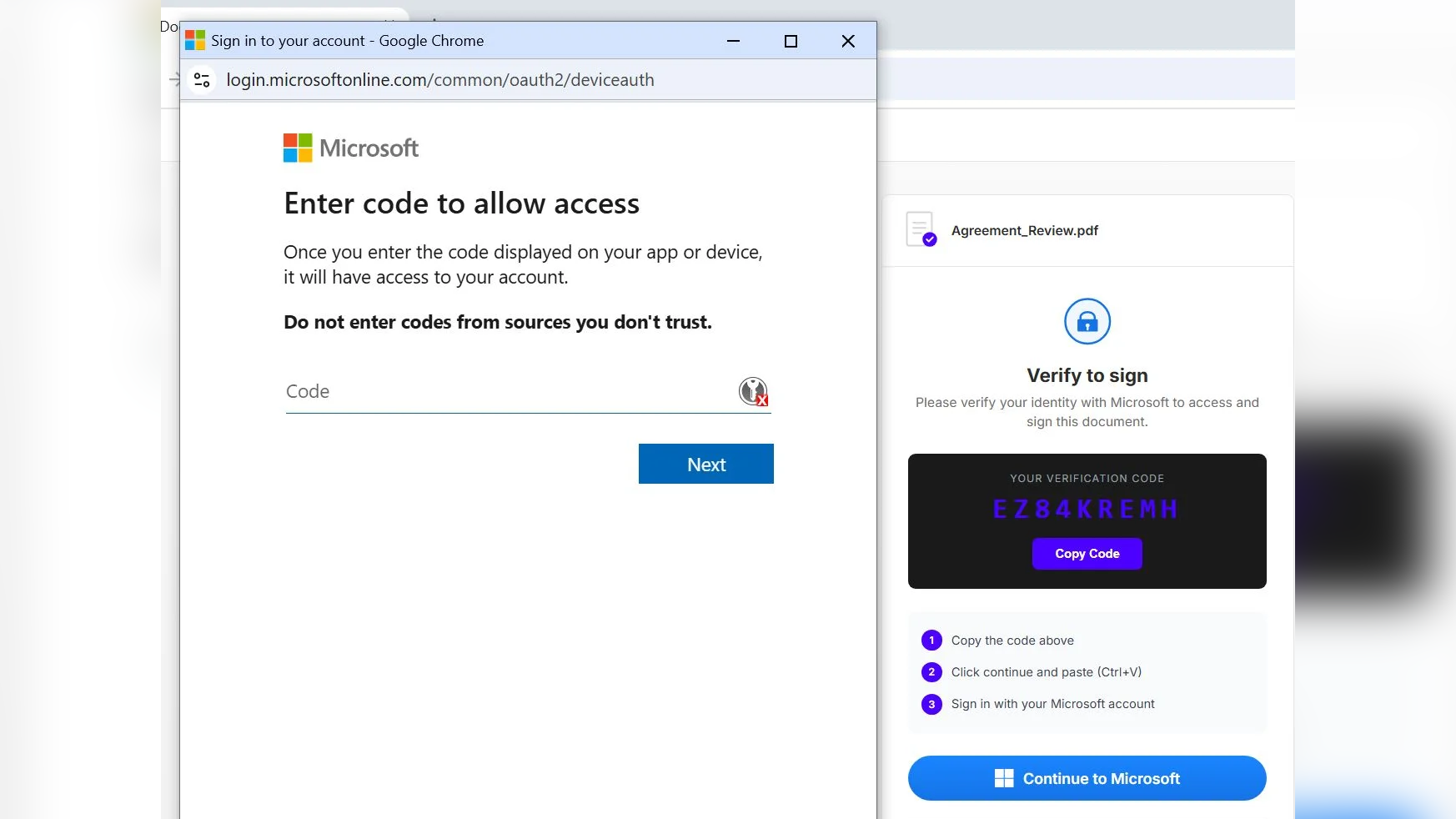
Attackers using phishing-as-a-service shop EvilTokens host token-stealing apps on vibe-coder cloud platform Railway's clean IP ranges, routing victims to landing pages where an auto-generated eight-digit code awaits being dutifully entered at Microsoft's genuine "devicelogin" page. |
That single step hands crooks a 90-day refresh token, sidestepping MFA and password resets. For immediate triage, search logs for the offending Railway CIDR blocks, revoke tokens, block device-code flow unless required, enable continuous access evaluation, and teach users never to redeem surprise codes.
Pro tip: If a stranger gifts you a device code, regift it to /dev/null. |
Google Sets 2029 Deadline for Quantum-Safe Encryption |
Quantum computers capable of cracking RSA and elliptic-curve keys may land sooner than forecast, Google warns. In a surprise move, Google set a 2029 readiness deadline to secure its infrastructure with post-quantum cryptography (PQC), heavily prioritizing digital signatures.
The shift follows modeling that estimates a machine with a million "noisy" qubits could factor 2048-bit RSA in under a week, making the present-day threat of "harvest now, decrypt later" hoarding very real.
Google's plan starts with the Android 17 beta's ML-DSA signatures, hybrid TLS in Chrome and Cloud, and the migration of Play Store certificates.
Security teams should immediately inventory their cryptographic dependencies, pilot a hybrid classical-PQC approach, and schedule phased rollouts. |
Meta Slashes Jobs, Boosts Exec Pay in AI Pivot |
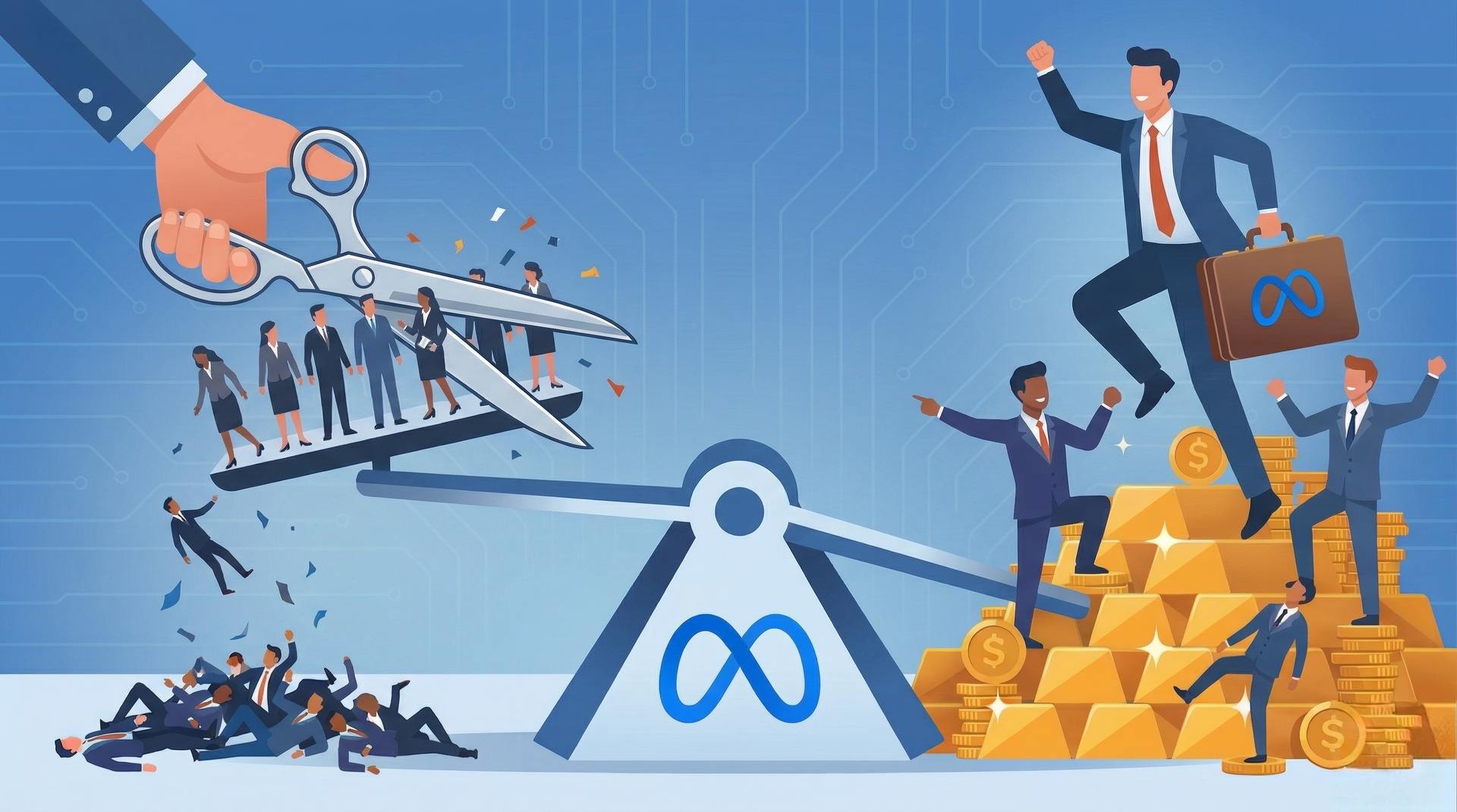
Meta axed about 700 roles on Wednesday across Reality Labs, Facebook, recruiting, and sales as CEO Mark Zuckerberg funnels cash from the faltering metaverse to an escalating artificial-intelligence arms race.
Some staffers were told to work from home the evening before the cuts hit, and a handful have been offered new posts that may require relocation. |
Image created with Nano Banana Pro |
The trims follow January's 1,000-plus Reality Labs layoffs and come amid rumors the company could eventually shed up to 20% of its 79,000-person workforce to help fund an eye-watering $115 billion to $135 billion in total capital expenditures—most of it for AI infrastructure—this year alone.
Less than a day before the pink slips, Meta unveiled a stock-option windfall for six top executives. If the firm's market cap rockets from $1.5 trillion to $9 trillion by 2031, top lieutenants like Andrew Bosworth, Chris Cox, and Javier Olivan could each pocket up to $921 million in additional shares—part of a retention plan the company says is essential to stay competitive in AI.
But the optics are rough. The perks landed the same week two juries hit Meta with nearly $380 million in damages over child-safety and addiction claims tied to its platforms. At this rate, even the severance emails might be written by Meta's next language model. |
|
|
|
Writer at TechnologyAdvice |
Justin Meyers is an investigative writer and editor who draws on over a decade of meticulous hands-on research to deliver the full, trustworthy story behind consumer and enterprise tech, including cybersecurity. |
|
|
Curious about where AI is really headed? |
The Neuron cuts through the noise to bring you smart, hype-free takes on the latest AI trends, tools, and breakthroughs. Join 500,000+ professionals from top companies like Microsoft, Apple, Salesforce and more.
|
|
|
Advertise in Daily Tech Insider! Daily Tech Insider is a TechnologyAdvice business.
© 2026 TechnologyAdvice, LLC. All rights reserved. TechnologyAdvice, 3343 Perimeter Hill Dr., Suite 215, Nashville, TN 37211, USA. |
|
|
|