The cracks are getting harder to ignore. |
From platform liability and exposed sessions to stolen AI access and vulnerable edge devices, today’s stories point to one thing — attackers are finding new leverage points faster than defenses evolve.
Read past newsletters here. | |
|
Here’s what you need to know: |
|
|
Meta Hit With $375M Child Safety Verdict |
A New Mexico jury hit Meta with a $375 million verdict for misleading users on child safety and enabling harmful platform conditions.
The ruling intensifies scrutiny on how platform design and engagement models expose minors to harm, while signaling a path around Section 230 by targeting business practices. |
Meta stated it would appeal the verdict. Audit product features and third-party integrations for abuse pathways and document mitigations — regulators are targeting design accountability, not just content moderation. |
Citrix NetScaler Flaws Expose Session Tokens |
Citrix is urging immediate patching after disclosing NetScaler flaws, including a critical bug that can expose session tokens via memory overreads. The risk is heightened by similarities to past CitrixBleed exploits that were quickly weaponized.
With thousands of exposed systems used for remote access, delayed patching could enable credential theft, session hijacking, and lateral movement. Patch affected systems and invalidate all active sessions/tokens on NetScaler appliances to reduce the risk of stolen credentials being reused. |
AI Accounts Become Hot Cybercrime Commodity |
Cybercriminals are increasingly buying and reselling premium AI accounts, turning tools like ChatGPT and Copilot into black market commodities. These accounts enable higher-quality, scalable phishing and fraud with less effort.
As AI becomes mission-critical, credential theft and exposed API keys increase the risk of accounts being resold or abused, leading to serious security and data exposure.
Enforce MFA on all AI platforms and continuously monitor for abnormal usage patterns (e.g., spikes in API calls or logins from new regions) to quickly detect and shut down compromised accounts. |
|
|
If a platform fails to protect minors, where should accountability land? |
|
|
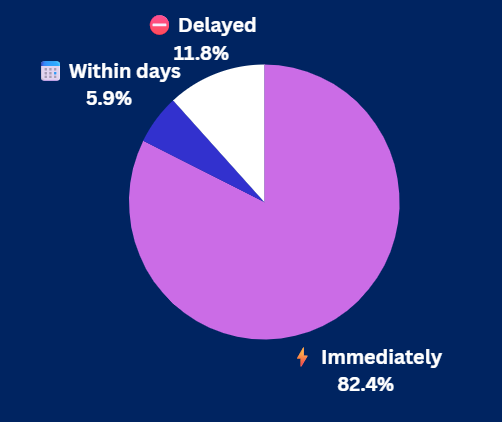
Yesterday's Pulse Check Results |
How fast do you apply updates to your browser? |
|
|
Security Tools You Can Use |
|
|
TP-Link Router Flaw Enables Auth Bypass |
TP-Link released patches for Archer NX routers after disclosing a critical vulnerability that lets attackers bypass authentication and upload malicious firmware. The flaw requires no privileges and can grant full device control, enabling interception, persistence, or botnet use. |
With TP-Link devices targeted in past campaigns, unpatched systems remain a high-risk foothold for adversaries.
Update firmware immediately and disable remote management interfaces unless absolutely required to help reduce exposure to unauthenticated exploitation attempts. |
Botnet Operator Sentenced in Ransomware Case |
A key operator behind a large phishing botnet linked to ransomware attacks against dozens of U.S. companies has been sentenced to two years in prison. This case shows how botnet operators and access brokers fuel the ransomware ecosystem by providing footholds later monetized through extortion. The group’s ability to infect thousands of systems daily and generate millions highlights the scale and coordination of modern cybercrime, still heavily reliant on phishing.
Strengthen email security by combining advanced phishing detection with user behavior analytics to identify compromised endpoints before attackers can pivot to ransomware deployment. |
|
|
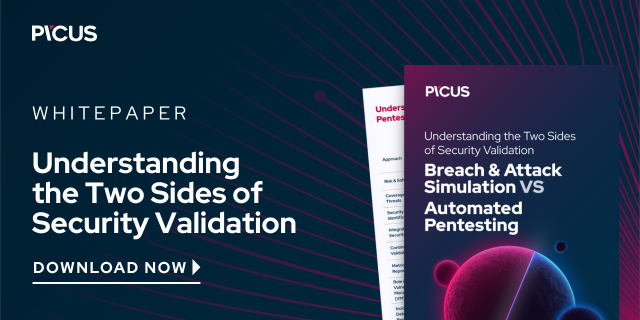
Breach and Simulation validates your controls. Automated pentesting proves what breaks. This guide maps both to real use cases for blue teams, red teams, and vulnerability management. Featuring data on what actually gets blocked from 160M attack simulations. |
|
|
Could Stolen Credentials Expose Your Systems? |
Stolen credentials remain a leading breach entry point, and as identity becomes the new perimeter, compromised or reused logins can give attackers direct, often undetected access to critical systems. |
How to secure your credentials: |
-
Use strong authentication controls like phishing-resistant MFA, passkeys, and password managers to prevent credential theft and reuse.
-
Monitor and respond to credential exposure with leak detection and regular rotation to reduce attacker dwell time.
- Limit access risk by implementing privileged access management (PAM) and enforcing least-privilege principles.
|
Credential security is a core control that helps organizations lower overall risk. |
|
|
|
Ken Underhill is an award-winning cybersecurity professional, bestselling author, and seasoned IT professional. He holds a graduate degree in cybersecurity and information assurance from Western Governors University, bringing years of hands-on experience to the field. |
|
|
Cybersecurity Insider is a TechnologyAdvice business |
© 2026 TechnologyAdvice, LLC. All rights reserved. |
TechnologyAdvice, 3343 Perimeter Hill Dr., Suite 215, Nashville, TN 37211, USA. |
|
|
|