The line between trust and deception is getting harder to see. |
From fake signals inside everyday tools to platforms quietly shaping behavior, attackers are shifting focus from breaking systems to influencing people. Read past newsletters here. |
|
|
Here’s what you need to know: |
|
|
Phishing Emails Fake “Trusted Sender” Labels to Deceive Users |
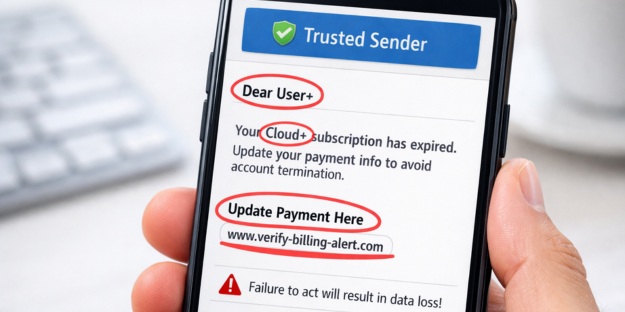
A phishing tactic is resurfacing with fake “trusted sender” labels embedded directly into emails to mislead recipients. The scheme mimics system-generated security indicators, even though Apple Mail does not support such labels, allowing these deceptive cues to appear across any email client. |
By imitating trusted interface elements, attackers increase the likelihood that users overlook red flags and act quickly. Never trust visual “security” labels inside an email. Verify legitimacy by navigating directly to official sites instead of clicking embedded links and train users. |
Russian-Linked Hackers Target Messaging App Users via Phishing |
Hackers linked to Russian intelligence are targeting users of secure messaging apps like Signal by exploiting social engineering rather than breaking encryption.
A joint FBI and CISA advisory found attackers have compromised thousands of accounts by impersonating trusted contacts or security prompts to steal authentication codes.
The campaign targets high-value individuals including government officials, military personnel, and journalists, underscoring how user trust remains a critical weak point. Never share verification or login codes, even if the request appears to come from a trusted contact or official source. |
UK Teens Being Drawn Into Cybercrime via Online Platforms |
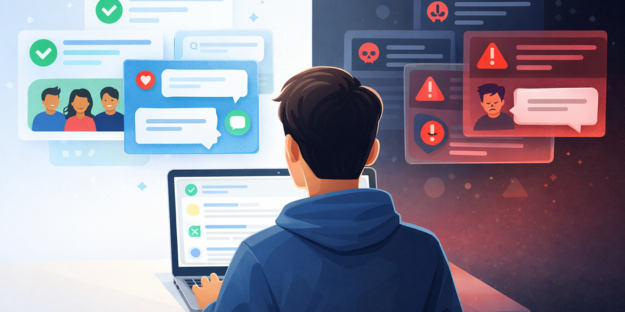
UK authorities warn that teenagers are increasingly being pulled into cybercrime through toxic online spaces and algorithm-driven platforms.
The National Crime Agency says these environments are accelerating criminal behavior and blurring the lines between cybercrime, fraud, and more serious offenses, as younger users become both targets and participants. This trend highlights how modern threats continue to shift from purely technical exploits to human and social manipulation at scale.
Prioritize cybersecurity awareness training that addresses social engineering and online community risks, not just technical vulnerabilities. |
|
|
Toxic Platform Radar: Have you encountered harmful online spaces? |
|
|
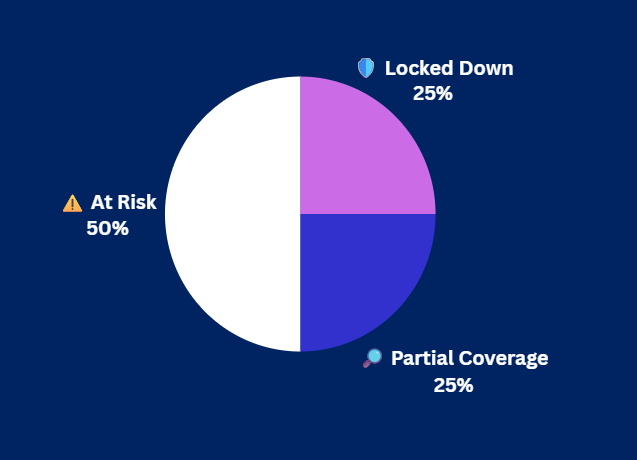
Yesterday's Pulse Check Results |
Botnet Exposure Check: Could your devices be weaponized? |
|
|
Security Tools You Can Use |
|
|
Trivy Supply Chain Attack Exposes CI/CD Secrets at Scale |
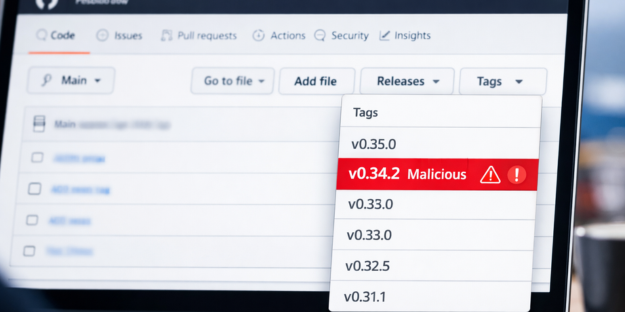
A supply chain attack has compromised widely used versions of Aqua Security’s Trivy scanner, putting development pipelines at risk.
Attackers used stolen credentials to manipulate Git tags, causing CI/CD workflows to execute malicious code that steals sensitive data like GitHub tokens, cloud credentials, and SSH keys. |
The stealthy approach bypassed standard detection methods, creating potential exposure for thousands of developers and organizations relying on Trivy.
Treat all CI/CD pipelines as compromised if you used affected Trivy versions, rotate all secrets immediately, leverage DevSecOps tools, and audit for unusual activity. |
Oracle Patches Critical Identity Manager RCE Flaw |
Oracle has released an emergency patch for a critical vulnerability in Identity Manager and Web Services Manager that allows unauthenticated remote code execution.
Tracked as CVE-2026-21992 with a CVSS score of 9.8, the flaw could enable attackers to take full control of affected systems, posing significant risk to enterprise identity infrastructure. Oracle did not report active exploitation at the time of publication.
Review Oracle’s advisory, apply patches promptly, and prioritize remediation of critical vulnerabilities across identity and access systems. |
|
|
Your team isn’t small. Your tools are too noisy. Automate phishing and cloud workspace security. Material turns down the noise in your workspace. |
|
|
How Vulnerable Are You to Toxic Online Spaces? |
Toxic online communities are increasingly being used to recruit and influence users into cybercrime, particularly among younger audiences. These environments normalize harmful behavior and rely on social engineering tactics — often augmented by AI — to build trust, making human judgment a primary attack surface. |
How to navigate toxic online spaces: |
- Vet online communities before engaging by checking moderation quality, reputation, and known associations with harmful activity.
- Watch for normalization of illegal behavior, such as hacking or fraud, which often signals higher-risk environments.
-
Limit personal information sharing and use deepfake detection tools with unfamiliar individuals to reduce risks of targeting, coercion, or identity-based manipulation.
|
Toxic online spaces are cybersecurity threats, and awareness paired with clear boundaries helps reduce exposure and prevent manipulation. |
|
|
| Senior Staff Writer at TechnologyAdvice |
Luis Millares is a seasoned tech writer with broad experience reviewing consumer gadgets and enterprise software, offering clear, reliable insights across the latest in technology. |
|
|
Cybersecurity Insider is a TechnologyAdvice business |
© 2026 TechnologyAdvice, LLC. All rights reserved. |
TechnologyAdvice, 3343 Perimeter Hill Dr., Suite 215, Nashville, TN 37211, USA. |
|
|
|