From federal systems to WordPress sites, nothing is off-limits. |
A suspected breach inside federal surveillance systems, cryptographic flaws that weaken trust, a multimillion-dollar crypto theft, rogue WordPress admins, and a worm spreading through Wikipedia scripts. Read past newsletters here. |
|
|
Here’s what you need to know: |
|
|
FBI Probes Breach in Wiretap Surveillance System |
Federal investigators are probing suspicious activity on a platform used to manage court-authorized wiretaps and foreign intelligence surveillance warrants.
These systems coordinate requests between investigators, legal teams, and federal courts, so unauthorized access could expose sensitive investigative metadata, legal filings, or operational timelines. |
The investigation is ongoing at the time of publication.
Segment high-sensitivity investigative systems behind zero-trust network controls, enforce least-privilege access, and continuously monitor activity with SIEM and behavioral analytics to detect unauthorized access.
|
AWS-LC Flaws Bypass Certificate Verification |
AWS disclosed multiple vulnerabilities in its AWS-LC cryptographic library that could allow attackers to bypass certificate validation or exploit timing weaknesses in encryption. The flaws impact core functions for digital signature verification and authentication, including PKCS7 validation and AES-CCM checks. AWS has not reported any active exploitation at the time of publication. Use software composition analysis (SCA) tools to identify AWS-LC dependencies, patch affected libraries, and enforce certificate pinning and strict trust validation to prevent signature verification bypass. |
$46M Crypto Heist Hits U.S. Marshals |
Authorities arrested a U.S. government contractor accused of stealing more than $46 million in cryptocurrency held by the U.S. Marshals Service during a joint operation in Saint Martin.
The case gained attention after blockchain investigators traced suspicious transfers from government-linked wallets to addresses allegedly controlled by the suspect. The case is pending a trial date at the time of publication.
Secure organizational cryptocurrency holdings by enforcing privileged access controls with MFA, storing private keys in hardware-secured or cold-storage systems, and requiring multi-signature approval for all transactions. |
|
|
How secure are your organization’s crypto assets? |
|
|
Yesterday's Pulse Check Results |
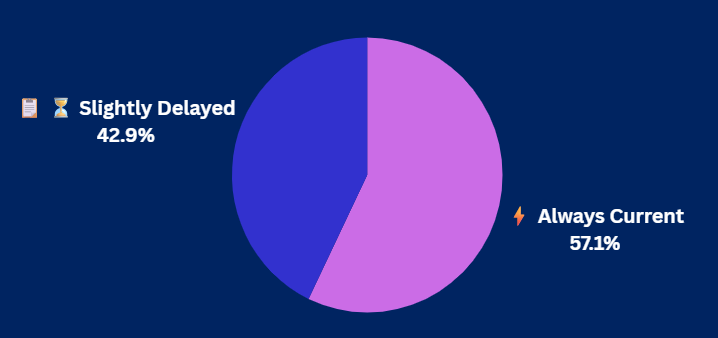
Patch Management Pulse Check: How strong is your update game? |
|
|
Security Tools You Can Use |
-
Stay ahead of threats — explore the best cybersecurity tools and lock down your business today.
- Shield your business from threats — get 30% off Bitdefender’s powerful cloud and on-premise protection today.
- Start your cybersecurity career for free — enroll in Microsoft’s 9-course Analyst Certificate series on Coursera today.
|
|
|
WordPress Plugin Flaw Creates Rogue Admin Accounts |
Researchers disclosed a vulnerability in the User Registration & Membership WordPress plugin that could allow attackers to create administrator accounts without authentication.
The flaw allows the plugin to accept user-supplied roles during registration without proper validation, enabling attackers to grant themselves administrator privileges. |
There are reports of active exploitation in the wild. Patch the User Registration & Membership plugin to the latest version, audit all administrator accounts for unauthorized access, and enforce MFA and WAF protections to block exploitation attempts. |
JavaScript Worm Hits Wikipedia Editing System |
Wikipedia editors briefly lost control of parts of the platform after a self-propagating JavaScript worm began altering scripts and vandalizing pages on Meta-Wiki.
The malicious code spread through user customization scripts running in logged-in editors’ browsers, allowing it to modify both user and global scripts. The worm altered nearly 4,000 pages and dozens of user script files before containment.
Restrict editing of global scripts to trusted roles, enforce content security policies, and monitor for mass script changes or automated edits that may signal worm-like activity. |
|
|
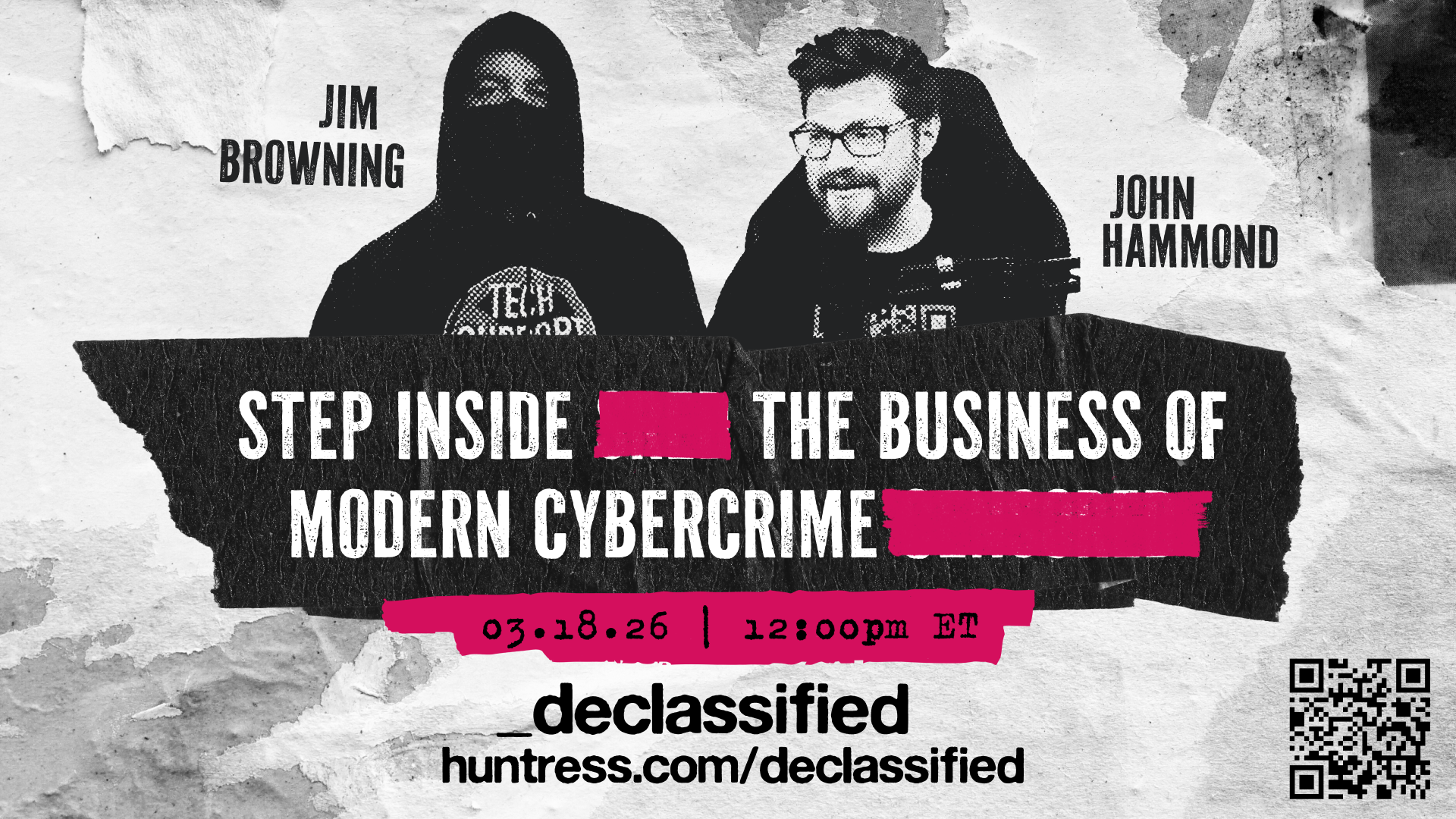
You’re busy running your business — and so are cybercriminals, using many of the same tools, processes, and tech. Step inside the day-to-day operations of modern cybercrime groups, see how they mirror legitimate enterprises, and gain practical insight into how attackers think so you can spot and disrupt them faster. |
|
|
How Secure Is Your WordPress Website? |
WordPress powers a large portion of the internet, making it a prime target for automated attacks, plugin vulnerabilities, and credential theft. Many site compromises stem from issues such as outdated plugins, weak passwords, or misconfigured settings. |
How to strengthen your WordPress posture: |
-
Regularly update WordPress, themes, and plugins and remove unused components to reduce exposure to known vulnerabilities.
- Enable MFA and limit login attempts to prevent unauthorized access and brute-force attacks.
-
Use a web application firewall to block malicious traffic and maintain regular backups to quickly restore your site if it is compromised.
|
WordPress security comes down to consistent maintenance — keeping systems updated, enforcing solid access controls, and monitoring for suspicious activity to reduce the risk of common attacks. |
|
|
|
Ken Underhill is an award-winning cybersecurity professional, bestselling author, and seasoned IT professional. He holds a graduate degree in cybersecurity and information assurance from Western Governors University, bringing years of hands-on experience to the field. |
|
|
Cybersecurity Insider is a TechnologyAdvice business |
© 2026 TechnologyAdvice, LLC. All rights reserved. |
TechnologyAdvice, 3343 Perimeter Hill Dr., Suite 215, Nashville, TN 37211, USA. |
|
|
|