The attack surface keeps widening. |
From vendor breaches impacting millions to zero-days in network control planes and AI tools quietly exposing keys, the cracks are showing — across infrastructure, development, and even data governance. Read past newsletters here. |
|
|
Here’s what you need to know: |
|
|
38 Million Hit in ManoMano Vendor Hack |
Nearly 38 million ManoMano customers are being notified after attackers breached a third-party support provider, exposing personal data linked to user accounts and service interactions.
The European DIY marketplace, which serves roughly 50 million monthly users, said no passwords were exposed, but compromised data may include names, emails, phone numbers, and detailed support communications. |
There is an active investigation into the incident.
Tighten third-party controls by enforcing least-privilege and MFA, continuously monitoring SaaS activity for anomalous access or bulk exports, segmenting vendor-accessible data, and testing incident response playbooks for supply chain compromise scenarios.
|
ServiceNow AI Flaw Opens Door to RCE |
A vulnerability in the ServiceNow AI Platform could have enabled unauthenticated remote code execution in enterprise environments. The flaw impacts web interfaces, APIs, and automation modules, enabling attackers to bypass sandbox protections and execute arbitrary code.
Although no active attacks have been observed in the wild yet, the low exploitation barrier heightens risk for exposed instances.
Patch all affected ServiceNow instances, restrict internet-facing access, enforce least-privilege IAM controls, centralize logs for abnormal API or sandbox activity, and validate recent workflows to detect unauthorized changes.
|
Cisco SD-WAN Zero-Day Grants Root Access |
Attackers have actively exploited a Cisco Catalyst SD-WAN zero-day since at least 2023 to bypass authentication and ultimately gain root access in targeted environments.
The flaw affects SD-WAN control-plane components, allowing unauthenticated attackers to gain high-privilege access and alter routing or add rogue peers. Cisco has released a patch for the issue.
Patch all SD-WAN instances, remove unnecessary internet exposure from management planes, enforce MFA and least privilege, and monitor for rogue peers, unexpected downgrades, or anomalous control-plane activity.
|
|
|
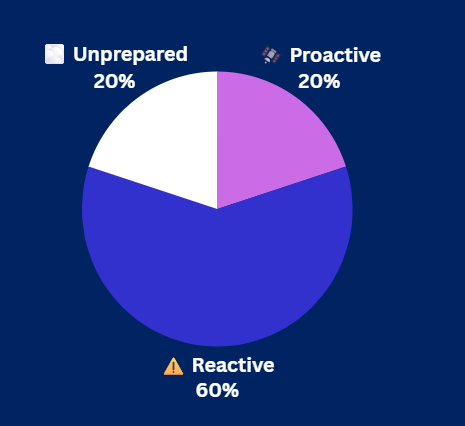
Be honest — your network segmentation strategy is: |
|
|
Yesterday's Pulse Check Results |
How exposed is your org to geopolitics? |
|
|
Security Tools You Can Use |
-
Start your cybersecurity career for free — enroll in Microsoft’s 9-course Analyst Certificate series on Coursera today.
-
Shield your business from threats — get 30% off Bitdefender’s powerful cloud and on-premise protection today.
- Stay ahead of threats — explore the best cybersecurity tools and lock down your business today.
|
|
|
Claude Code Bugs Expose API Keys |
Two vulnerabilities in Anthropic’s Claude Code could let attackers execute arbitrary commands and steal API keys by tricking a developer into opening a malicious repository.
Check Point researchers found the flaws exploited repository-level configuration files to bypass trust prompts, execute shell commands, and redirect authenticated API traffic before user approval. |
Although no exploitation has been observed in the wild, the low-complexity attack path raises supply chain concerns for AI-assisted development. Patch Claude Code, treat repository configuration files as executable code in reviews, restrict AI integrations to trusted sources, enforce least-privilege API key controls, and monitor for anomalous automation or outbound traffic. |
Global Data Rules Spark Security Divide |
A new U.S. diplomatic push to weaken foreign data sovereignty laws lands just as fresh research shows weaker controls correlate with higher incident rates.
Surveying 286 security and compliance leaders across Europe, Canada, and the Middle East, the report found one in three organizations experienced a sovereignty-related incident in the past year, with higher rates in regions where regulatory frameworks are less mature. The findings position data sovereignty as risk mitigation, not just red tape.
Move beyond policy statements by enforcing data residency architecturally — retain encryption key custody in-jurisdiction, implement zero-trust access controls, and maintain immutable audit logs to prove where data resides and who accessed it. |
|
|
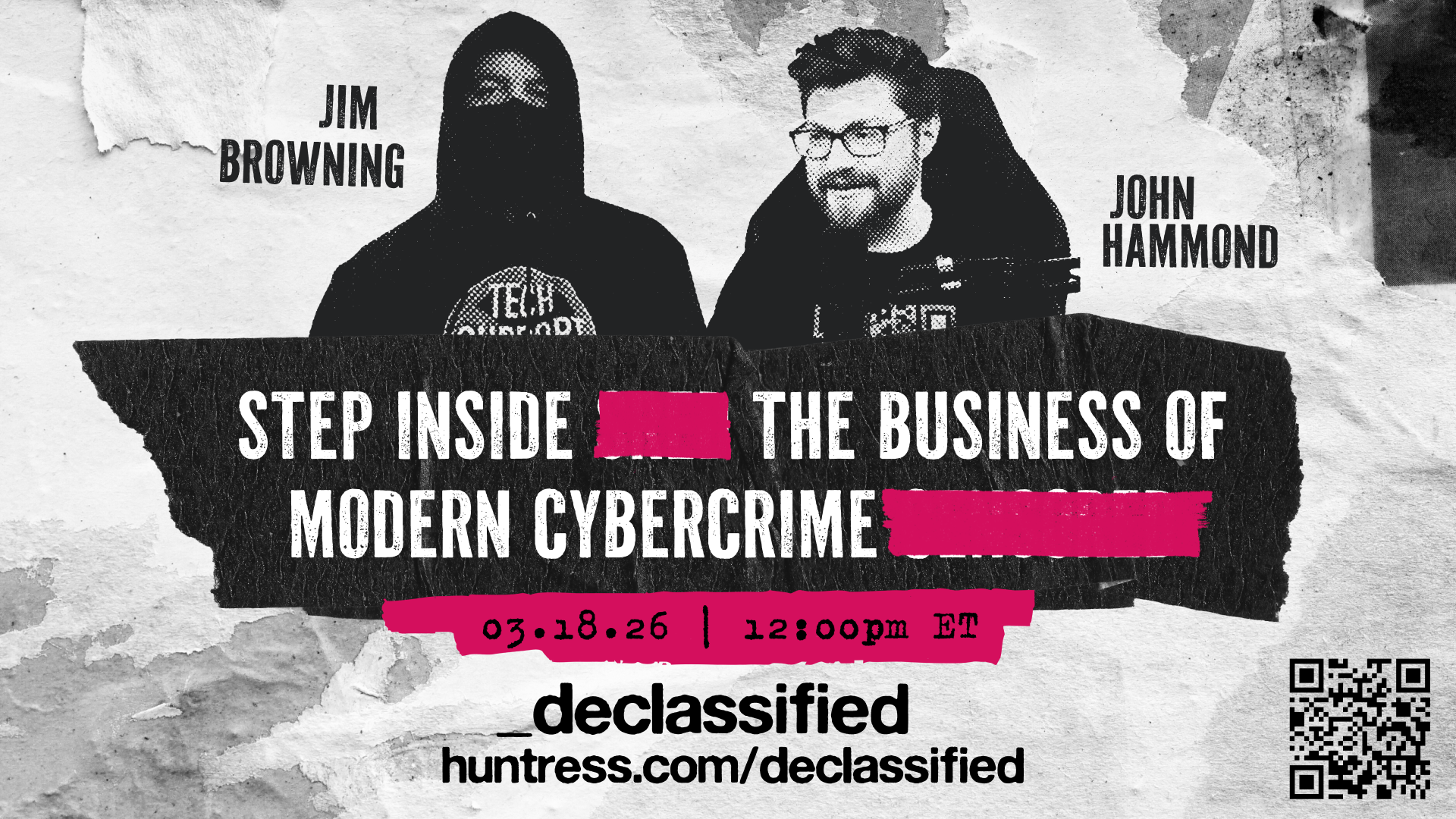
You’re busy running your business — and so are cybercriminals, using many of the same tools, processes, and tech. Step inside the day-to-day operations of modern cybercrime groups, see how they mirror legitimate enterprises, and gain practical insight into how attackers think so you can spot and disrupt them faster. |
|
|
Who Controls Your Data Across Borders? |
As data sovereignty laws tighten and cross-border enforcement rises, sensitive data moving between jurisdictions creates regulatory, legal, and third-party cloud risks — making geographic data control a board-level security priority, not just a compliance checkbox. |
How to secure data across borders: |
-
Enforce data residency and retain encryption key custody in-jurisdiction to control where data is stored, processed, and legally accessible.
- Implement zero trust access controls and continuously map and classify data to limit and monitor cross-border exposure.
- Conduct transfer impact assessments and maintain immutable audit logs to validate compliance and prove data governance across regions.
|
Because data crosses legal as well as network boundaries, implementing residency controls, strong encryption, and validated access helps reduce regulatory risk, maintain trust, and avoid costly compliance disruptions. |
|
|
|
Ken Underhill is an award-winning cybersecurity professional, bestselling author, and seasoned IT professional. He holds a graduate degree in cybersecurity and information assurance from Western Governors University, bringing years of hands-on experience to the field. |
|
|
Cybersecurity Insider is a TechnologyAdvice business |
© 2026 TechnologyAdvice, LLC. All rights reserved. |
TechnologyAdvice, 3343 Perimeter Hill Dr., Suite 215, Nashville, TN 37211, USA. |
|
|
|