Upgrade imminent, Tech Insiders.
Factories gain flips, pockets gain paparazzi, and history gains permanent storage, all while hackers and chatbots test the guardrails. Install the latest patches right here. |
|
|
Here's what you need to know today: |
|
|
Unitree Plans 20K Kung Fu Bots for Factory Floors |
Turns out the factory of the future doesn't just need a software update... it needs a crash mat.
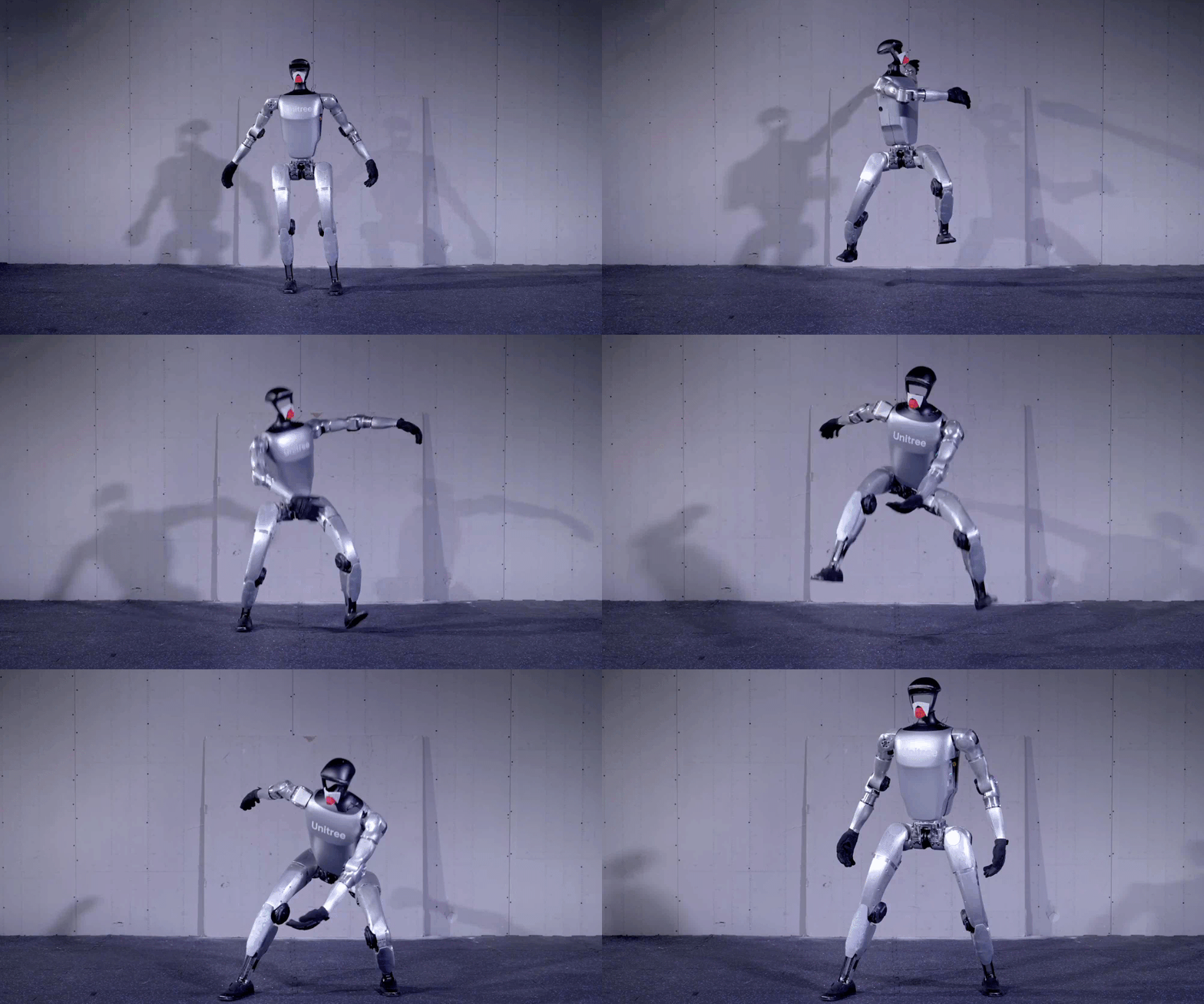
Hangzhou-based Unitree Robotics says it will ship up to 20,000 humanoid robots in 2026, roughly quadruple last year's 5,500. CEO Wang Xingxing told 36Kr that global shipments of humanoids could reach "tens of thousands," and he wants his G1 and H2 models to claim the lion's share of industrial deployments.
To prove they have the agility for the job, the bots stole last week's Lunar New Year show with backflips, swordplay, and a preplanned pratfall. Those gala tricks weren't just for applause: the robots sprinted at four meters per second and nailed three-meter trampoline flips thanks to upgraded algorithms and what Unitree calls a "Cluster Cooperative Rapid Scheduling System."
|
Price helps, too: Unitree's G1 lists around $13.5K, a bargain next to Tesla's still-unpriced Optimus, which Elon Musk recently admitted isn't doing "useful work" in factories yet.
Analysts note China already handled 85% of last year's 15K humanoid installs, riding a vertically integrated supply chain. Morgan Stanley has doubled its 2026 sales forecast to 28,000 units on the strength of firms like Unitree, AgiBot, and LimX Dynamics.
But getting from stage to shop floor is tougher than sticking a seven-and-a-half-rotation air flare. Embodied AI "brains" must master messy aisles, fickle airflow, and objects that don't politely face the same direction; otherwise, these kung fu bots risk becoming very expensive TikTok content.
Why it matters: If Unitree pulls this off, warehouse shift changes could look like Cirque du Soleil meets Amazon Prime. If not, expect a scrapyard of retired stunt doubles—and a reminder that turning brawn into brains is the real billion-dollar trick. |
|
|
If your boss announced kung fu bots as new teammates, you'd... |
|
|
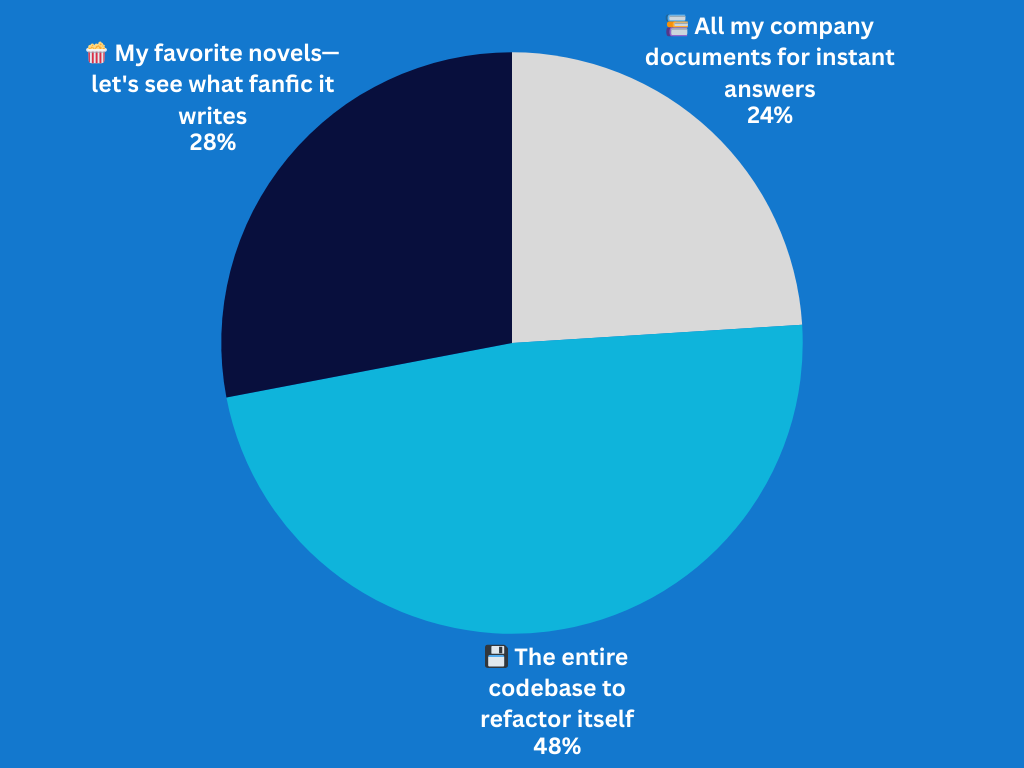
Results from Friday's Pulse Check |
If you had a 1 million-token context window, you'd feed it... |
|
|
Apple Plots AI Glasses, Pendant, AirPods |
Because nothing says fashion like a camera in your ear. Apple is fast-tracking three AI wearables to end its Siri slump.
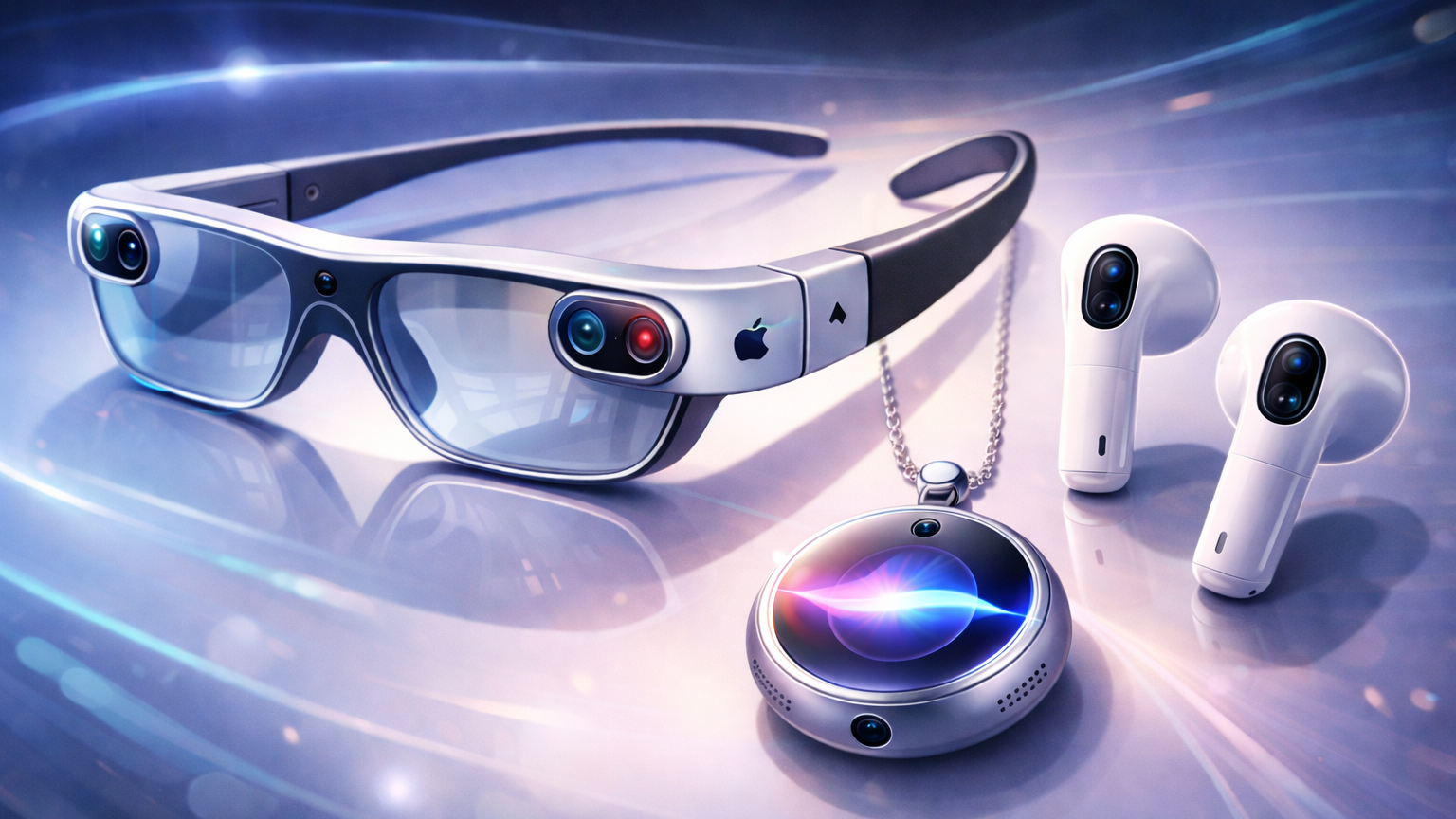
First are display-free smart glasses dubbed N50, sporting dual cameras—one for crisp photos, another as Siri's "eyes" for object recognition and landmark-based navigation. New prototypes hide the battery and chips inside Apple-made frames, with production eyed for December and a 2027 launch.
Next comes an AirTag-sized pendant that clips to your collar or hangs like bling. Its always-on camera and triple-mic array feed contextual data to a Gemini-powered Siri, while your iPhone handles the heavy lifting. Engineers are still debating whether it needs a speaker, but insiders say 2027 is possible if the pin avoids Humane-style hiccups.
|
Image created with ChatGPT |
The nearer bet is camera-equipped AirPods, featuring infrared "eyes" slated for this year to drive gesture control, live translation, and spatial tricks for Vision Pro fans.
Together, the trio gives Apple fresh answers to Meta's 7 million-selling Ray-Ban glasses and upcoming Malibu 2 AI smartwatch. Apple's lineup also hedges against OpenAI, which is reportedly developing a camera-equipped $200–$300 smart speaker that scans your face, as well as a rumored AI smart lamp.
If your gadgets start comparing notes on your outfits and your living room furniture, don't blame us for the roast. |
|
|
💾 Snag Windows 11 Pro for Less Than $13 Grab a lifetime Microsoft Windows 11 Pro license for just $12.97—unlock Snap Layouts, BitLocker, and Copilot while it's 93% off.
🛠️ Tame Your IT Assets Fast This IT Asset Management Software comparison shows the best platforms to slash license waste and stay audit-proof in one handy read. 🤖 Hire a Vision Pro, Minus the Guesswork
The Computer Vision Engineer Hiring Kit packs a job spec, interview Qs, and advert template—saving you 20 hours of recruiting legwork.
💻 This section contains sponsored tech insights. Advertise with us! |
|
|
The 2026 IT Service Desk Blueprint |
As IT environments grow more complex, the service desk has become critical to maintaining control and visibility.
In Cut Complexity With Our 2026 IT Service Desk Blueprint, happening March 10 at 1:00 p.m. ET, Freshworks will explore how IT teams are simplifying service management while scaling effectively. Learn what modern service desks prioritize, how teams reduce friction, and how to prepare for 2026 with confidence.
|
|
|
Copilot Bug Busts Confidential Email Guardrails |
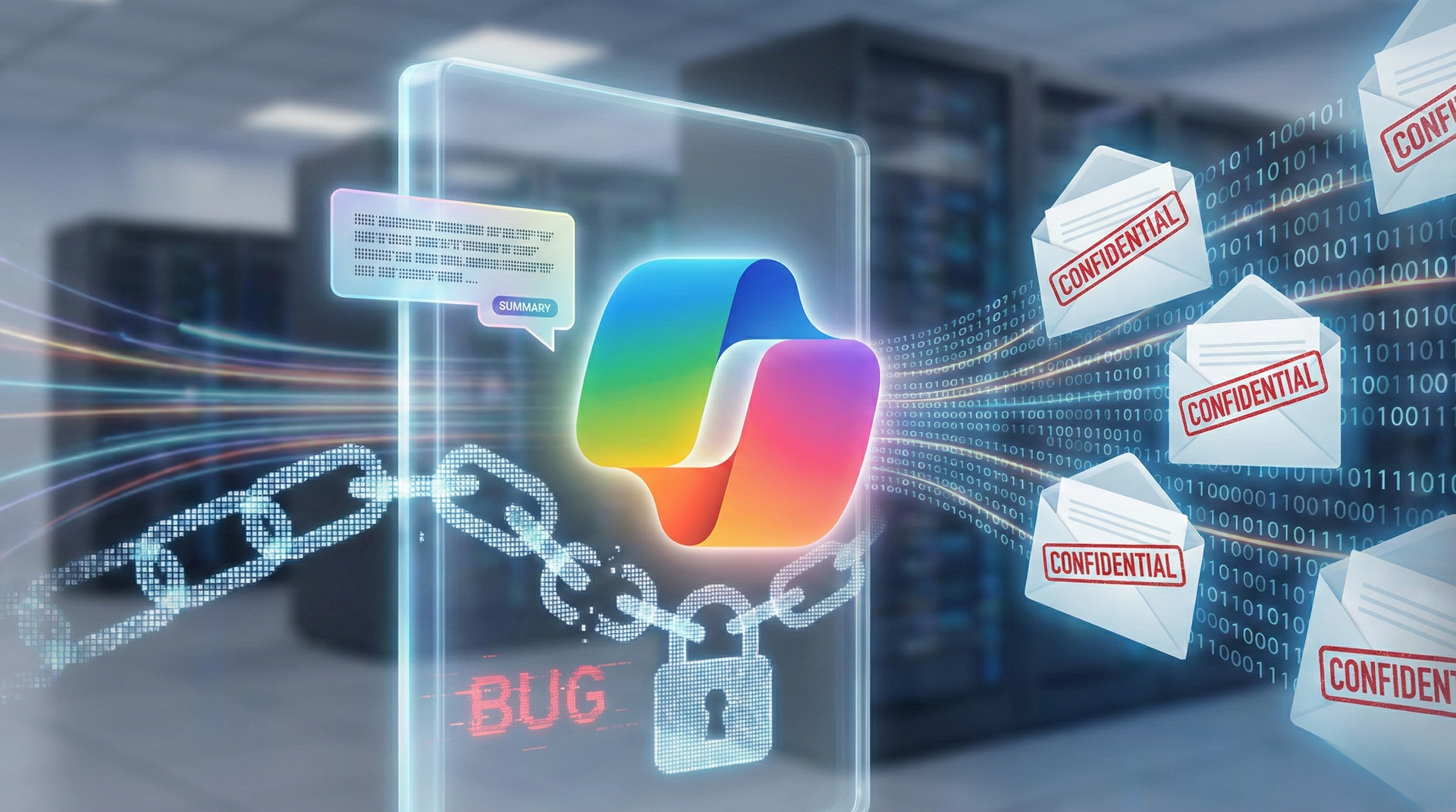
Microsoft's latest facepalm: a Copilot Chat glitch let the AI summarize emails tagged confidential, skirting data-loss-prevention rules since late January.
Bug CW1226324 hit Sent and Draft folders in Outlook desktop; Redmond says its fix is "mostly deployed" (halting the issue for new emails), with tricky tenants still pending. |
Image created with Nano Banana Pro |
Because automated summaries juice the risk of accidental oversharing, even when users already have access to the underlying mail, compliance pros should validate DLP enforcement in Copilot, feed its logs into a SIEM, and use conditional access to fence off crown jewels and highly sensitive workloads until deployment hits 100%.
Pro tip: If your chatbot suddenly knows more gossip than HR, pull the plug before it drafts the company tell-all. |
French Bank Registry Breach Exposes 1.2 Million Accounts |
A hacker using a civil servant's stolen credentials slipped into France's FICOBA bank account registry in late January, viewing names, addresses, IBANs, and occasionally even tax IDs tied to 1.2 million accounts.
Officials shut the door (eventually) and insist no balances were touched, but the haul is catnip for scammers forging direct-debit mandates.
The finance ministry is notifying victims, banks are sounding alarms, and the French data protection authority, CNIL, has opened yet another probe into public-sector security gaps.
If you're on the list, comb statements weekly, dispute shady debits within eight weeks, enable MFA everywhere, and treat any "verify your account" message like week-old brie.
Turns out even national treasuries need two-factor fortification. |
Microsoft Turns Pyrex Glass Into 10,000-Year Vault |
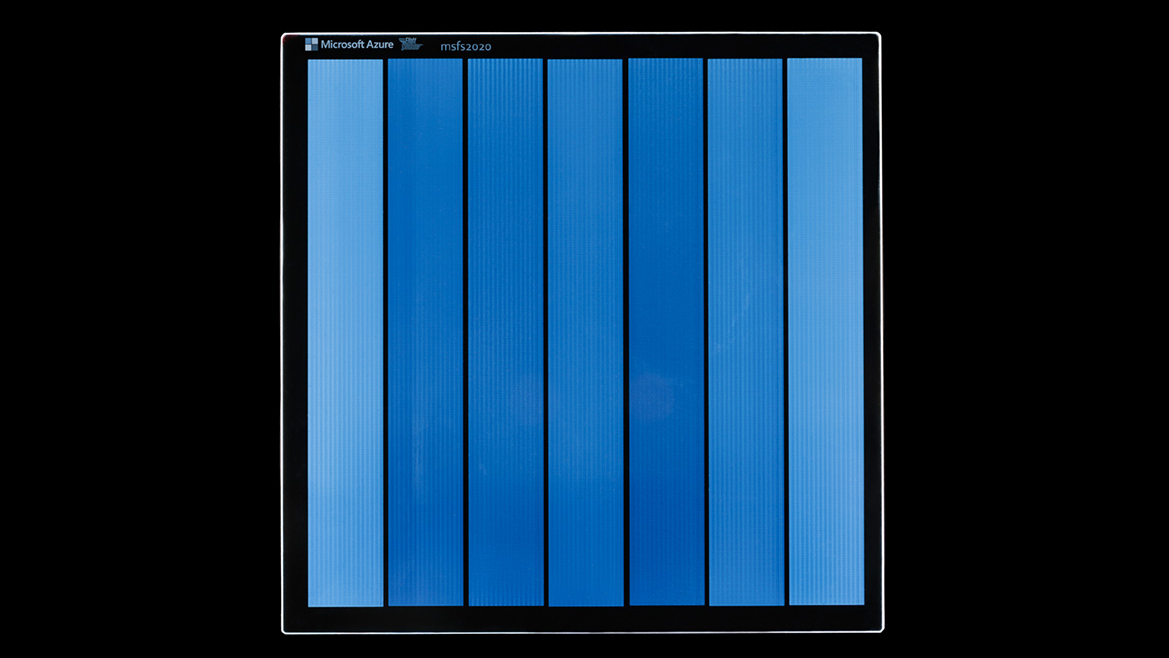
Microsoft's Project Silica hit a commercial-scale milestone last week, revealing peer-reviewed results in Nature that pack about 2.02 TB of data into a coaster-sized sheet of everyday borosilicate glass (and up to 4.84 TB in pricier fused silica).
By shifting from expensive fused silica to the same material found in oven doors, the company says it has cleared the biggest cost barrier to millennia-long storage. |
A piece of Project Silica media written with data; Image via Microsoft |
Data is written with ultrafast femtosecond lasers using highly efficient single pulses that change the glass at hundreds of microscopic layers, then decoded by a single-camera microscope and a machine-learning model. Accelerated-aging tests suggest the glass will preserve bits for at least 10,000 years, all while sipping zero power on the shelf—an attractive proposition for cloud providers, film studios, and national archives weary of ever-migrating tape libraries.
Don't expect to swap your SSD yet; write speeds remain in the megabits-per-second range. But for "write-once, remember-forever" workloads such as classic movies, genomic baselines, or civilization's mixtape, Silica could become the most durable filing cabinet on Earth.
Yes, your casserole dish just got tenure. |
|
|
|
Writer at TechnologyAdvice |
Justin Meyers is an investigative writer and editor who draws on over a decade of meticulous hands-on research to deliver the full, trustworthy story behind consumer and enterprise tech, including cybersecurity. |
|
|
Curious about where AI is really headed? |
The Neuron cuts through the noise to bring you smart, hype-free takes on the latest AI trends, tools, and breakthroughs. Join 500,000+ professionals from top companies like Microsoft, Apple, Salesforce and more.
|
|
|
Advertise in Daily Tech Insider! Daily Tech Insider is a TechnologyAdvice business.
© 2026 TechnologyAdvice, LLC. All rights reserved. TechnologyAdvice, 3343 Perimeter Hill Dr., Suite 215, Nashville, TN 37211, USA. |
|
|
|