The attack surface is getting smarter — and quieter. |
This week’s threats hide in AI agents, trusted updates, developer tools, browser extensions, and even dating apps. Nothing flashy, everything familiar, and all operating where trust already exists... Read past newsletters here. |
|
| Here’s what you need to know: |
|
|
OpenClaw Adoption Leaves 21K+ AI Agents Exposed |
OpenClaw, a fast-rising open-source AI assistant, went from niche experiment to internet-wide risk in just days. Censys researchers found more than 21,000 publicly reachable OpenClaw instances.
OpenClaw agents can run shell commands, access files, and handle credentials, making them prime targets for prompt injection, token attacks, and data theft. |
The researchers did not find indications that any of the instances were being exploited yet. Keep agentic AI locked down by avoiding public exposure, treating skills as untrusted code, enforcing least privilege, isolating deployments, and monitoring activity. |
Notepad++ Update Infrastructure Compromised |
Attackers quietly hijacked Notepad++ update infrastructure, turning a trusted update channel into a malware delivery path.
The attack bypassed user trust and patching workflows, quietly delivering trojanized installers to targeted users for months. Older WinGUp versions were most at risk due to weak validation checks. The Notepad++ project has since changed its hosting provider to resolve the issue.
Reduce update-channel risk by patching to validated versions, centralizing software distribution, enforcing allowlisting and certificate checks, and actively monitoring for abnormal installer behavior. |
Fake Clawdbot Extension Infects Developer Systems |
A seemingly legitimate Visual Studio Code extension masquerading as an AI assistant was quietly installing remote access malware on developer machines.
The attack abused a trusted developer workflow to auto-execute on startup and deploy signed ScreenConnect for persistent access. Researchers also found redundant loaders and disguised payloads designed to keep the campaign resilient. Microsoft has since removed the extension from its marketplace.
Immediately remove the malicious extension, rotate exposed credentials, block ScreenConnect infrastructure, and enforce strict VS Code extension allowlisting with monitoring in developer environments. |
|
|
An unapproved AI app is already in production — now what? |
|
|
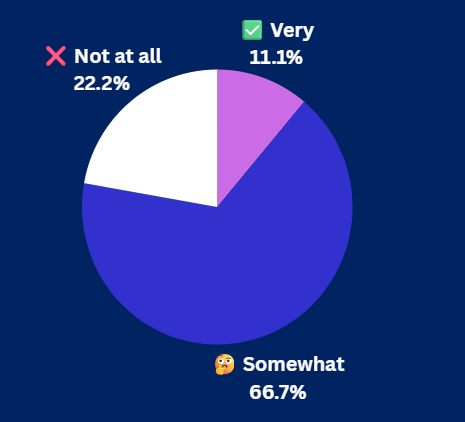
Yesterday's Pulse Check Results |
How confident are you in your mobile defenses? |
|
|
Security Tools You Can Use |
|
|
Android Spyware Hidden in Fake Dating App |
ESET researchers found that a seemingly harmless dating app was used as a front to quietly deploy Android spyware in a targeted campaign.
The campaign blended social engineering with legitimate-looking app behavior to quietly exfiltrate data from Android users in Pakistan. Shared infrastructure pointed to a broader, espionage-focused operation. |
The campaign is active in the wild.
Reduce mobile spyware risk by blocking app sideloading, enforcing MDM controls, monitoring for abnormal mobile data access, and training users to spot social engineering lures. |
ChatGPT Sessions Hijacked via Browser Extensions |
LayerX researchers have uncovered a coordinated campaign abusing fake ChatGPT browser extensions to silently hijack user sessions and siphon sensitive AI data. The threat bypasses credentials and MFA to give attackers full ChatGPT account access.
Malicious extensions blend seamlessly with legitimate tools and often carry trusted platform signals, exposing sensitive data and turning browser extensions into a high-impact yet often overlooked attack surface. Protect AI accounts by locking down browser extensions, enforcing managed browser policies, monitoring session anomalies, and treating AI productivity add-ons as high-risk software. |
|
|
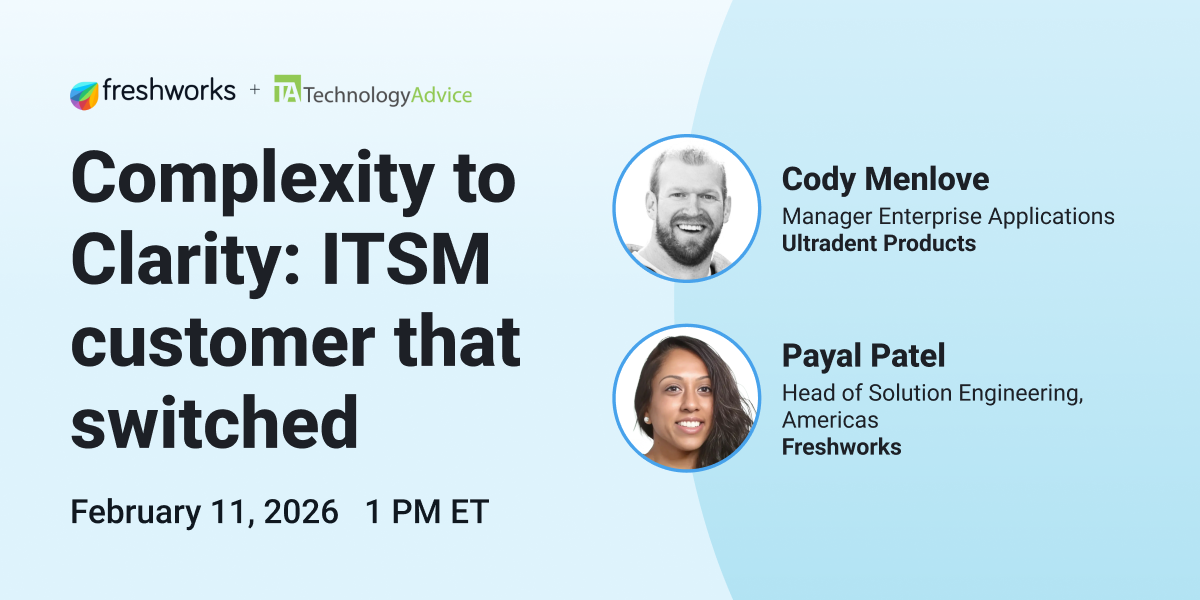
ITSM complexity can slow teams down and limit visibility. Join Complexity to Clarity: ITSM Customer That Switched on February 11 at 1:00 PM ET for a live discussion with Freshworks and Ultradent on moving from legacy ITSM to a modern approach.
The session covers implementation challenges, change management, and how teams evaluate ITSM success. 👉 Join peers shaping the future of ITSM. |
|
|
Are Your AI Governance Practices Keeping Up? |
As AI moves into everyday business use, organizations are adopting powerful tools faster than they can govern the threats they introduce. Without clear oversight, AI systems can introduce data leakage, compliance gaps, and new attack paths that traditional security controls were never designed to catch. |
How to establish strong AI governance controls: |
- Establish approved AI use policies, third-party risk requirements, data access rules, and least-privilege controls across models, tools, plugins, and integrations to reduce shadow AI and blast radius.
-
Inventory AI assets and third-party risk while logging prompts, outputs, permissions, and data flows to detect misuse, data leakage, or policy violations early.
- Extend incident response plans to cover AI account compromise, malicious integrations, credential exposure, and third-party failures.
|
Strong AI governance helps organizations scale AI adoption responsibly by setting clear rules, maintaining visibility, and protecting sensitive data and business-critical decisions. |
|
|
|
Ken Underhill is an award-winning cybersecurity professional, bestselling author, and seasoned IT professional. He holds a graduate degree in cybersecurity and information assurance from Western Governors University, bringing years of hands-on experience to the field. |
|
|
Cybersecurity Insider is a TechnologyAdvice business |
© 2026 TechnologyAdvice, LLC. All rights reserved. |
TechnologyAdvice, 3343 Perimeter Hill Dr., Suite 215, Nashville, TN 37211, USA. |
|
|
|